Connect With Us
Blog
Items filtered by date: January 2026
Tuesday, 27 January 2026 00:00
Achilles Tendon Rupture and Its Impact on Mobility

An Achilles tendon rupture is a serious injury involving a complete tear of the tendon that connects the calf muscles to the heel bone. It is common in athletes and active individuals and can abruptly end athletic participation or even a professional career. This injury often results from overuse of the tendon, sudden increases in activity, or long-term degeneration that weakens the tendon over time. Symptoms may include a sudden sharp pain in the back of the leg, a popping sensation, swelling, bruising, weakness, and difficulty walking or pushing off the foot. A podiatrist can evaluate the injury, confirm the diagnosis, and guide appropriate treatment, whether surgical or nonsurgical, to restore strength and function. If you have sudden Achilles pain or loss of function, it is suggested that you seek podiatric care promptly for effective treatment solutions.
Achilles tendon injuries need immediate attention to avoid future complications. If you have any concerns, contact David Mehl, DPM of New York. Our doctor can provide the care you need to keep you pain-free and on your feet.
What Is the Achilles Tendon?
The Achilles tendon is a tendon that connects the lower leg muscles and calf to the heel of the foot. It is the strongest tendon in the human body and is essential for making movement possible. Because this tendon is such an integral part of the body, any injuries to it can create immense difficulties and should immediately be presented to a doctor.
What Are the Symptoms of an Achilles Tendon Injury?
There are various types of injuries that can affect the Achilles tendon. The two most common injuries are Achilles tendinitis and ruptures of the tendon.
Achilles Tendinitis Symptoms
- Inflammation
- Dull to severe pain
- Increased blood flow to the tendon
- Thickening of the tendon
Rupture Symptoms
- Extreme pain and swelling in the foot
- Total immobility
Treatment and Prevention
Achilles tendon injuries are diagnosed by a thorough physical evaluation, which can include an MRI. Treatment involves rest, physical therapy, and in some cases, surgery. However, various preventative measures can be taken to avoid these injuries, such as:
- Thorough stretching of the tendon before and after exercise
- Strengthening exercises like calf raises, squats, leg curls, leg extensions, leg raises, lunges, and leg presses
If you have any questions please feel free to contact our offices located in Forest Hills, and Brooklyn, NY . We offer the newest diagnostic tools and technology to treat your foot and ankle needs.
Tuesday, 20 January 2026 00:00
Athlete's Foot Symptoms
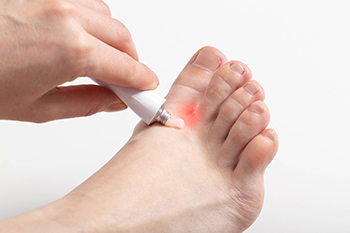
Athlete's foot is a common fungal infection that affects the skin on the feet, often developing between the toes. Symptoms can include itchy, white patches, and the feet may be red and sore, which can make walking and wearing shoes uncomfortable. The condition is caused by fungi that thrive in warm, moist environments, such as sweaty socks, shoes, locker rooms, and public showers. Risk factors include wearing tight or non-breathable footwear, having a weakened immune system, excessive sweating, and sharing personal items with others. A podiatrist can diagnose athlete's foot, recommend effective antifungal treatments, provide guidance on proper foot hygiene, and suggest preventive measures to reduce recurrence. If you have any of the above symptoms, it is suggested that you schedule a visit with a podiatrist to treat the infection, which may include prescribed medication.
Athlete’s Foot
Athlete’s foot is often an uncomfortable condition to experience. Thankfully, podiatrists specialize in treating athlete’s foot and offer the best treatment options. If you have any questions about athlete’s foot, consult with David Mehl, DPM from New York. Our doctor will assess your condition and provide you with quality treatment.
What Is Athlete’s Foot?
Tinea pedis, more commonly known as athlete’s foot, is a non-serious and common fungal infection of the foot. Athlete’s foot is contagious and can be contracted by touching someone who has it or infected surfaces. The most common places contaminated by it are public showers, locker rooms, and swimming pools. Once contracted, it grows on feet that are left inside moist, dark, and warm shoes and socks.
Prevention
The most effective ways to prevent athlete’s foot include:
- Thoroughly washing and drying feet
- Avoid going barefoot in locker rooms and public showers
- Using shower shoes in public showers
- Wearing socks that allow the feet to breathe
- Changing socks and shoes frequently if you sweat a lot
Symptoms
Athlete’s foot initially occurs as a rash between the toes. However, if left undiagnosed, it can spread to the sides and bottom of the feet, toenails, and if touched by hand, the hands themselves. Symptoms include:
- Redness
- Burning
- Itching
- Scaly and peeling skin
Diagnosis and Treatment
Diagnosis is quick and easy. Skin samples will be taken and either viewed under a microscope or sent to a lab for testing. Sometimes, a podiatrist can diagnose it based on simply looking at it. Once confirmed, treatment options include oral and topical antifungal medications.
If you have any questions, please feel free to contact our offices located in Forest Hills, and Brooklyn, NY . We offer the newest diagnostic and treatment technologies for all your foot care needs.
Friday, 16 January 2026 00:00
Inspect Your Feet Regularly for Abnormalities if You're Diabetic
Diabetic patients often have decreased sensitivity in their feet, which makes a visual inspection of the feet even more important. If you're diabetic, having periodic screenings is extremely important for maintaining the overall health of your feet.
Tuesday, 13 January 2026 00:00
Simple Stretches to Support a Healthy Foot Arch

Strong, flexible foot arches play an important role in balance, comfort, and long-term mobility. Gentle daily stretching can help reduce tension and improve circulation in the muscles that support the arch. The towel stretch is an easy option that lengthens the plantar fascia and calf by gently pulling the foot toward the body while seated. Another effective technique is the ball roll, which massages the arch and helps release tight tissue by slowly rolling the sole of the foot over a small ball. While these stretches can be helpful, persistent pain or stiffness may signal an underlying issue. A podiatrist can evaluate foot mechanics, identify contributing conditions, and create a personalized treatment plan that may include custom orthotics or advanced care. If you have pain in the arch of your foot, it is suggested that you consult a podiatrist who can offer effective relief tips, which may include additional arch stretches.
Why Stretching Is Important for Your Feet
Stretching the feet is a great way to prevent injuries. If you have any concerns with your feet consult with David Mehl, DPM from New York. Our doctor will assess your condition and provide you with quality foot and ankle treatment.
Stretching the Feet
Stretching the muscles in the foot is an important part in any physical activity. Feet that are tight can lead to less flexibility and make you more prone to injury. One of the most common forms of foot pain, plantar fasciitis, can be stretched out to help ease the pain. Stretching can not only ease pain from plantar fasciitis but also prevent it as well. However, it is important to see a podiatrist first to determine if stretching is right for you. Podiatrists can also recommend other ways to stretch your feet. Once you know whether stretching is right for you, here are some excellent stretches you can do.
- Using a foam roller or any cylindrical object (a water bottle or soda can will do), roll the object under your foot back and forth. You should also exert pressure on the object. Be sure to do this to both feet for a minute. Do this exercise three times each.
- Similar to the previous exercise, take a ball, such as a tennis ball, and roll it under your foot while seated and exert pressure on it.
- Grab a resistance band or towel and take a seat. If you are using a towel, fold it length wise. Next put either one between the ball of your foot and heel and pull with both hands on each side towards you. Hold this for 15 seconds and then switch feet. Do this three times for each foot.
- Finally hold your big toe while crossing one leg over the other. Pull the toe towards you and hold for 15 seconds. Once again do this three times per foot.
It is best to go easy when first stretching your foot and work your way up. If your foot starts hurting, stop exercising to ice and rest the foot. It is advised that you then see a podiatrist for help.
If you have any questions please contact our offices located in Forest Hills, and Brooklyn, NY . We offer the newest diagnostic and treatment technologies for all your foot and ankle needs.
Tuesday, 06 January 2026 00:00
Ankle Pain Caused by Sinus Tarsi Syndrome
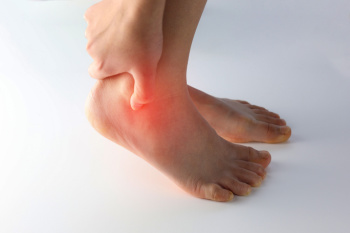
Ankle pain caused by sinus tarsi syndrome develops when the small tunnel between the talus and calcaneus becomes irritated or strained. This area helps guide ankle movement, and it can be injured after an ankle sprain, long-term standing, or from feet that roll inward, which increases pressure on the tunnel. Symptoms include pain on the outer front part of the ankle, along with a sense of weakness or wobbling while walking on uneven ground. The ligaments surrounding the tunnel can become irritated, leading to swelling and discomfort with each step. A podiatrist can check foot alignment, look for instability in the ankle, and recommend supportive inserts, bracing, or surgery, if other options do not help. Restoring ankle stability reduces pressure on the sinus tarsi and improves comfort. If you have symptoms of sinus tarsi syndrome, it is suggested that you schedule an appointment with a podiatrist for a diagnosis and options for treatment.
Ankle pain can be caused by a number of problems and may be potentially serious. If you have ankle pain, consult with David Mehl, DPM from New York. Our doctor will assess your condition and provide you with quality foot and ankle treatment.
Ankle pain is any condition that causes pain in the ankle. Due to the fact that the ankle consists of tendons, muscles, bones, and ligaments, ankle pain can come from a number of different conditions.
Causes
The most common causes of ankle pain include:
- Types of arthritis (rheumatoid, osteoarthritis, and gout)
- Ankle sprains
- Broken ankles
- Achilles tendonitis
- Achilles tendon rupture
- Stress fractures
- Bursitis
- Tarsal tunnel syndrome
- Plantar fasciitis
Symptoms
Symptoms of ankle injury vary based upon the condition. Pain may include general pain and discomfort, swelling, aching, redness, bruising, burning or stabbing sensations, and/or loss of sensation.
Diagnosis
Due to the wide variety of potential causes of ankle pain, podiatrists will utilize a number of different methods to properly diagnose ankle pain. This can include asking for personal and family medical histories and of any recent injuries. Further diagnosis may include sensation tests, a physical examination, and potentially x-rays or other imaging tests.
Treatment
Just as the range of causes varies widely, so do treatments. Some more common treatments are rest, ice packs, keeping pressure off the foot, orthotics and braces, medication for inflammation and pain, and surgery.
If you have any questions please feel free to contact our offices located in Forest Hills, and Brooklyn, NY . We offer the newest diagnostic tools and technology to treat your foot and ankle needs.
Blog Archives
- February 2026
- January 2026
- December 2025
- November 2025
- October 2025
- September 2025
- August 2025
- July 2025
- June 2025
- May 2025
- April 2025
- March 2025
- February 2025
- January 2025
- December 2024
- November 2024
- October 2024
- September 2024
- August 2024
- July 2024
- June 2024
- May 2024
- April 2024
- March 2024
- February 2024
- January 2024
- December 2023
- November 2023
- October 2023
- September 2023
- August 2023
- July 2023
- June 2023
- May 2023
- April 2023
- March 2023
- February 2023
- January 2023
