Connect With Us
Blog
Items filtered by date: February 2025
Tuesday, 25 February 2025 00:00
How Feet Change with Age
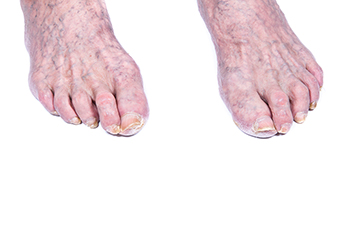
As people age, their feet undergo natural changes that can provide valuable insights into overall health. The arches may flatten, leading to a condition known as fallen arches, which can cause pain and affect posture. The skin on the feet may become thinner, drier, and more prone to cracking, increasing the risk of infections. Toenails may thicken or become more brittle, while bunions or hammertoes can develop due to misalignment of the toes. These changes can also signal underlying health issues, such as poor circulation, arthritis, or diabetes. For instance, numbness or tingling in the feet can indicate nerve damage, while changes in skin color might suggest circulation problems. If you have foot pain or notice any changes in your feet, it is suggested that you consult a podiatrist who can help you monitor your foot health.
Proper foot care is something many older adults forget to consider. If you have any concerns about your feet and ankles, contact David Mehl, DPM from New York. Our doctor can provide the care you need to keep you pain-free and on your feet.
The Elderly and Their Feet
As we age we start to notice many changes in our body, but the elder population may not notice them right away. Medical conditions may prevent the elderly to take notice of their foot health right away. Poor vision is a lead contributor to not taking action for the elderly.
Common Conditions
- Neuropathy – can reduce feeling in the feet and can hide many life-threatening medical conditions.
- Reduced flexibility – prevents the ability of proper toenail trimming, and foot cleaning. If left untreated, it may lead to further medical issues.
- Foot sores – amongst the older population can be serious before they are discovered. Some of the problematic conditions they may face are:
- Gouging toenails affecting nearby toe
- Shoes that don’t fit properly
- Pressure sores
- Loss of circulation in legs & feet
- Edema & swelling of feet and ankles
Susceptible Infections
Diabetes and poor circulation can cause general loss of sensitivity over the years, turning a simple cut into a serious issue.
If you have any questions, please feel free to contact our offices located in Forest Hills, and Brooklyn, NY . We offer the newest diagnostic and treatment technologies for all your foot care needs.
Tuesday, 18 February 2025 00:00
What to Do With Thick Toenails
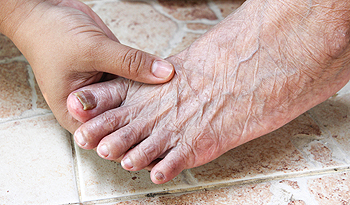
Thick toenails are a common condition where the toenails become abnormally thick, often appearing yellowish or discolored. This condition can be caused by fungal infections, aging, trauma to the toenail, or underlying health conditions like diabetes or psoriasis. The symptoms of thick toenails include visible thickening, discoloration, and sometimes crumbling or brittle edges. The toenails may also become painful, especially when pressure is applied, or when wearing tight shoes. In severe cases, the nail may lift from the nail bed or become misshapen. Treatment for thick toenails depends on the cause. If caused by a fungal infection, antifungal medications, either topical or oral, are typically used. In some cases, a podiatrist may recommend trimming or debriding the toenail, or using laser therapy to treat fungal infections. A podiatrist can diagnose the underlying cause and provide effective treatments for thick toenails. If you are experiencing this condition, it is suggested that you make an appointment with a podiatrist.
For more information about treatment, contact David Mehl, DPM of New York. Our doctor can provide the care you need to keep you pain-free and on your feet.
Toenail Fungus Treatment
Toenail fungus is a condition that affects many people and can be especially hard to get rid of. Fortunately, there are several methods to go about treating and avoiding it.
Antifungals & Deterrence
Oral antifungal medicine has been shown to be effective in many cases. It is important to consult with a podiatrist to determine the proper regiment for you, or potentially explore other options.
Applying foot powder on the feet and shoes helps keep the feet free of moisture and sweat.
Sandals or open toed shoes – Wearing these will allow air movement and help keep feet dry. They also expose your feet to light, which fungus cannot tolerate. Socks with moisture wicking material also help as well.
If you have any questions please contact our offices located in Forest Hills, and Brooklyn, NY . We offer the newest diagnostic and treatment technologies for all your foot and ankle needs.
Tuesday, 11 February 2025 00:00
Impact of Heel Height and Base on Foot Health
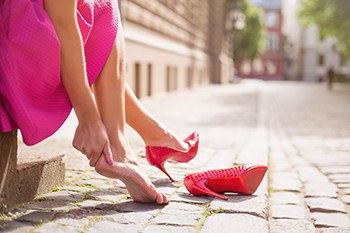
Heel height, heel base, and insole design significantly influence foot health and comfort. High heels can cause undue pressure on the ball of the foot, leading to pain, calluses, and even long-term deformities like bunions or hammertoes. Lower heels, those under two inches, are generally safer, reducing stress on the arch and heel. A wide, stable heel base offers better balance and reduces the risk of ankle sprains, especially in uneven terrain or prolonged standing situations. Narrow heels, like stilettos, increase instability and strain the foot muscles. Insoles play an important role by providing cushioning, arch support, and shock absorption, which are essential for minimizing discomfort and preventing injuries. Orthotic insoles can address specific issues like plantar fasciitis or flat feet. For personalized advice on footwear that supports your unique needs, it is suggested that you consult a podiatrist to ensure optimal foot health.
High heels have a history of causing foot and ankle problems. If you have any concerns about your feet or ankles, contact David Mehl, DPM from New York. Our doctor can provide the care you need to keep you pain-free and on your feet.
Effects of High Heels on the Feet
High heels are popular shoes among women because of their many styles and societal appeal. Despite this, high heels can still cause many health problems if worn too frequently.
Which Parts of My Body Will Be Affected by High Heels?
- Ankle Joints
- Achilles Tendon – May shorten and stiffen with prolonged wear
- Balls of the Feet
- Knees – Heels cause the knees to bend constantly, creating stress on them
- Back – They decrease the spine’s ability to absorb shock, which may lead to back pain. The vertebrae of the lower back may compress.
What Kinds of Foot Problems Can Develop from Wearing High Heels?
- Corns
- Calluses
- Hammertoe
- Bunions
- Morton’s Neuroma
- Plantar Fasciitis
How Can I Still Wear High Heels and Maintain Foot Health?
If you want to wear high heeled shoes, make sure that you are not wearing them every day, as this will help prevent long term physical problems. Try wearing thicker heels as opposed to stilettos to distribute weight more evenly across the feet. Always make sure you are wearing the proper shoes for the right occasion, such as sneakers for exercising. If you walk to work, try carrying your heels with you and changing into them once you arrive at work. Adding inserts to your heels can help cushion your feet and absorb shock. Full foot inserts or metatarsal pads are available.
If you have any questions, please feel free to contact our offices located in Forest Hills, and Brooklyn, NY . We offer the newest diagnostic and treatment technologies for all your foot care needs.
Tuesday, 04 February 2025 00:00
Managing Athlete’s Foot
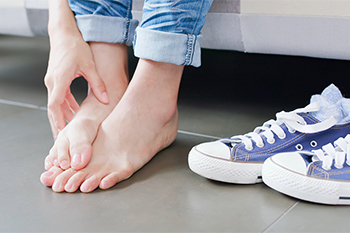
Athlete's foot is a fungal infection that affects the skin on your feet, often between the toes, however, there is also a moccasin variety that affects the bottom of the feet. It is caused by dermatophytes, fungi that thrive in warm, moist environments, such as sweaty shoes or locker rooms. The condition is highly contagious and can spread through direct contact with infected surfaces or people. Common symptoms of athlete's foot include itching, burning, peeling, and redness. In more severe cases, the skin may crack, blister, or become painful. It can also spread to the toenails or other areas of the body if left untreated. Treatment typically involves antifungal creams or powders, which help eliminate the infection. Keeping your feet dry and wearing breathable shoes are also key to preventing reinfection. In stubborn cases, a podiatrist may prescribe stronger antifungal medications or recommend a more tailored treatment plan. If you are experiencing symptoms of athlete's foot, it is suggested that you schedule an appointment with a podiatrist for proper diagnosis and treatment.
Athlete’s foot is an inconvenient condition that can be easily reduced with the proper treatment. If you have any concerns about your feet and ankles, contact David Mehl, DPM from New York. Our doctor will treat your foot and ankle needs.
Athlete’s Foot: The Sole Story
Athlete's foot, also known as tinea pedis, can be an extremely contagious foot infection. It is commonly contracted in public changing areas and bathrooms, dormitory style living quarters, around locker rooms and public swimming pools, or anywhere your feet often come into contact with other people.
Solutions to Combat Athlete’s Foot
- Hydrate your feet by using lotion
- Exfoliate
- Buff off nails
- Use of anti-fungal products
- Examine your feet and visit your doctor if any suspicious blisters or cuts develop
Athlete’s foot can cause many irritating symptoms such as dry and flaking skin, itching, and redness. Some more severe symptoms can include bleeding and cracked skin, intense itching and burning, and even pain when walking. In the worst cases, Athlete’s foot can cause blistering as well. Speak to your podiatrist for a better understanding of the different causes of Athlete’s foot, as well as help in determining which treatment options are best for you.
If you have any questions please feel free to contact our offices located in Forest Hills, and Brooklyn, NY . We offer the newest diagnostic and treatment technologies for all your foot and ankle needs.
Blog Archives
- February 2026
- January 2026
- December 2025
- November 2025
- October 2025
- September 2025
- August 2025
- July 2025
- June 2025
- May 2025
- April 2025
- March 2025
- February 2025
- January 2025
- December 2024
- November 2024
- October 2024
- September 2024
- August 2024
- July 2024
- June 2024
- May 2024
- April 2024
- March 2024
- February 2024
- January 2024
- December 2023
- November 2023
- October 2023
- September 2023
- August 2023
- July 2023
- June 2023
- May 2023
- April 2023
- March 2023
- February 2023
- January 2023
