Connect With Us
Blog
Items filtered by date: December 2024
Tuesday, 31 December 2024 00:00
All About Bunions
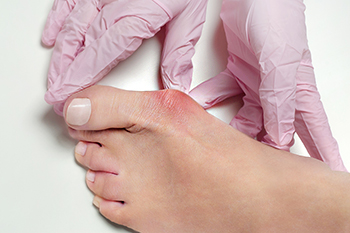
Bunions, medically known as hallux valgus, occur when the big toe shifts toward the smaller toes, causing a bony bump to form on the inside of the foot. This misalignment often develops gradually, with genetic factors and wearng ill-fitting footwear being common contributors. The protrusion can cause discomfort, especially when tight or stiff shoes rub against it, resulting in redness, swelling, or pain around the joint. As the toe deformity progresses, it may lead to uneven pressure distribution, sometimes causing pain beneath the ball of the foot. Certain non-surgical bunion treatments, like appropriate footwear and wearing custom orthotics, can help to relieve bunion symptoms. However, surgery may become necessary when persistent pain interferes with your daily activities. A podiatrist can assess the severity of the bunion, offer specific treatments, and recommend strategies to prevent further progression. If you are suffering from bunion pain, it is suggested that you schedule an appointment with a podiatrist.
If you are suffering from bunion pain, contact David Mehl, DPM of New York. Our doctor can provide the care you need to keep you pain-free and on your feet.
What Is a Bunion?
Bunions are painful bony bumps that usually develop on the inside of the foot at the joint of the big toe. As the deformity increases over time, it may become painful to walk and wear shoes. Women are more likely to exacerbate existing bunions since they often wear tight, narrow shoes that shift their toes together. Bunion pain can be relieved by wearing wider shoes with enough room for the toes.
Causes
- Genetics – some people inherit feet that are more prone to bunion development
- Inflammatory Conditions - rheumatoid arthritis and polio may cause bunion development
Symptoms
- Redness and inflammation
- Pain and tenderness
- Callus or corns on the bump
- Restricted motion in the big toe
In order to diagnose your bunion, your podiatrist may ask about your medical history, symptoms, and general health. Your doctor might also order an x-ray to take a closer look at your feet. Nonsurgical treatment options include orthotics, padding, icing, changes in footwear, and medication. If nonsurgical treatments don’t alleviate your bunion pain, surgery may be necessary.
If you have any questions, please feel free to contact our offices located in Forest Hills, and Brooklyn, NY . We offer the newest diagnostic and treatment technologies for all your foot care needs.
Tuesday, 24 December 2024 00:00
Symptoms of Ankle Sprains

An ankle sprain occurs when the ligaments surrounding the ankle joint are overstretched or torn, typically resulting from a twisting motion. This injury often causes immediate pain, swelling, and bruising around the ankle. People with an ankle sprain may experience difficulty walking, putting weight on the affected foot, or moving the ankle. More severe sprains can result in significant instability, where the ankle feels weak or gives way unexpectedly. Repeated or untreated sprains may lead to long-term joint pain or reduced mobility. A podiatrist can diagnose and treat ankle sprains with imaging tests, bracing, or other customized treatments to support healing and restore strength. If you believe you have sprained an ankle, it is suggested that you schedule an appointment with a podiatrist as quickly as possible so proper healing can begin.
Ankle sprains are common but need immediate attention. If you need your feet checked, contact David Mehl, DPM from New York. Our doctor can provide the care you need to keep you pain-free and on your feet.
How Does an Ankle Sprain Occur?
Ankle sprains take place when the ligaments in your ankle are torn or stretched beyond their limits. There are multiple ways that the ankle can become injured, including twisting or rolling over onto your ankle, putting undue stress on it, or causing trauma to the ankle itself.
What Are the Symptoms?
- Mild to moderate bruising
- Limited mobility
- Swelling
- Discoloration of the skin (depending on severity)
Preventing a Sprain
- Wearing appropriate shoes for the occasion
- Stretching before exercises and sports
- Knowing your limits
Treatment of a Sprain
Treatment of a sprain depends on the severity. Many times, people are told to rest and remain off their feet completely, while others are given an air cast. If the sprain is very severe, surgery may be required.
If you have suffered an ankle sprain previously, you may want to consider additional support such as a brace and regular exercises to strengthen the ankle.
If you have any questions please feel free to contact our offices located in Forest Hills, and Brooklyn, NY . We offer the newest diagnostic tools and technology to treat your foot and ankle needs.
Tuesday, 17 December 2024 00:00
Pickleball Shoes Matter

Wearing the right shoes is important for success and injury prevention in pickleball. Unlike generic sneakers, pickleball-specific shoes are designed to handle the sport’s quick lateral movements, sudden stops, and directional changes. These shoes feature reinforced soles for better grip and stability, reducing the risk of slipping or rolling an ankle. Fit is equally important. Shoes that are too tight can cause discomfort or bunions, while loose-fitting shoes increase the chance of blisters or instability. Look for a snug fit that allows your toes to move freely and provides adequate arch support. Cushioning is essential to absorb shock and reduce strain on your feet and joints. If you experience persistent foot or ankle pain while playing pickleball, it is suggested that you consult a podiatrist for expert advice and solutions to keep you active and pain-free on the court.
Ankle and foot injuries are common among athletes and in many sports. They can be caused by several problems and may be potentially serious. If you are feeling pain or think you were injured in a sporting event or when exercising, consult with David Mehl, DPM from New York. Our doctor will assess your condition and provide you with quality foot and ankle treatment.
Common Injuries
The most common injuries that occur in sporting activities include:
- Achilles Tendonitis
- Achilles Tendon Rupture
- Ankle Sprains
- Broken Foot
- Plantar Fasciitis
- Stress Fractures
- Turf Toe
Symptoms
Symptoms vary depending upon the injury and in some cases, there may be no symptoms at all. However, in most cases, some form of symptom is experienced. Pain, aching, burning, bruising, tenderness, tightness or stiffness, sensation loss, difficulty moving, and swelling are the most common symptoms.
Treatment
Just as symptoms vary depending upon the injury, so do treatment options. A common treatment method is known as the RICE method. This method involves rest, applying ice, compression and elevating the afflicted foot or ankle. If the injury appears to be more serious, surgery might be required, such as arthroscopic or reconstructive surgery. Lastly, rehabilitation or therapy might be needed to gain full functionality in the afflicted area. Any discomfort experienced by an athlete must be evaluated by a licensed, reputable medical professional.
If you have any questions please contact our offices located in Forest Hills, and Brooklyn, NY . We offer the newest diagnostic and treatment technologies for all your foot and ankle needs.
Tuesday, 10 December 2024 00:00
What Is Sever’s Disease?
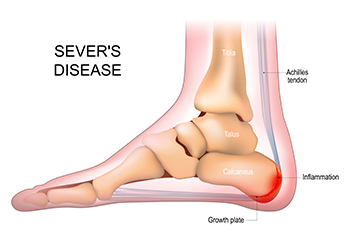
Sever’s disease, also known as calcaneal apophysitis, is a common cause of heel pain in active children, particularly those between the ages of 8 and 14. It occurs when the growth plate in the heel bone becomes inflamed, often due to overuse or stress placed on the growing bones. The main cause of Sever’s disease is repetitive pressure or stress on the heel, often from physical activities like running, jumping, or sports that involve sudden movements. Symptoms of Sever’s disease include pain, swelling, and tenderness in the heel, especially after physical activity. The pain usually improves with rest and may worsen during or after exercise. Sever’s disease is typically self-limiting, meaning it often resolves as the child’s growth plate naturally matures. However, treatment options like rest, stretching exercises, and supportive footwear can help manage symptoms and promote healing. If your active child has heel pain, it is suggested that you contact a podiatrist who can offer additional relief tips.
Sever's disease often occurs in children and teens. If your child is experiencing foot or ankle pain, see David Mehl, DPM from New York. Our doctor can treat your child’s foot and ankle needs.
Sever’s Disease
Sever’s disease is also known as calcaneal apophysitis, which is a medical condition that causes heel pain I none or both feet. The disease is known to affect children between the ages of 8 and 14.
Sever’s disease occurs when part of the child’s heel known as the growth plate (calcaneal epiphysis) is attached to the Achilles tendon. This area can suffer injury when the muscles and tendons of the growing foot do not keep pace with bone growth. Therefore, the constant pain which one experiences at the back of the heel will make the child unable to put any weight on the heel. The child is then forced to walk on their toes.
Symptoms
Acute pain – Pain associated with Sever’s disease is usually felt in the heel when the child engages in physical activity such as walking, jumping and or running.
Highly active – Children who are very active are among the most susceptible in experiencing Sever’s disease, because of the stress and tension placed on their feet.
If you have any questions, please feel free to contact our offices located in Forest Hills, and Brooklyn, NY . We offer the newest diagnostic and treatment technologies for all your foot care needs.
Tuesday, 03 December 2024 00:00
Causes and Symptoms of Gout
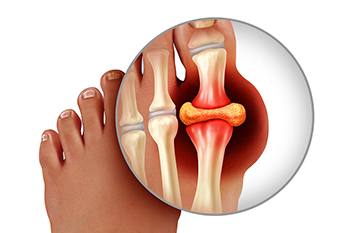
Gout is a painful form of arthritis that often affects the feet, particularly the big toe. Gout occurs when uric acid builds up in the body, leading to the formation of sharp crystals in the joints. People with gout frequently experience sudden nighttime attacks of intense pain, swelling, redness, and warmth in the affected area. These gout flare-ups can last from several days to two weeks and may recur periodically. While genetics can increase the risk of gout, factors such as stress, poor diet, alcohol use, and certain health conditions like diabetes and hypertension can also trigger it. Repeated gout attacks in the big toe or ankle may cause chronic pain and deformities, such as tophi, which are hardened uric acid deposits under the skin. A podiatrist can assess the severity of gout through physical examination and diagnostic testing. This foot doctor can also provide targeted treatments to manage pain, reduce inflammation, and prevent further complications. If you have recurrent flare-ups from gout, it is suggested that you make an appointment with a podiatrist for treatment remedies.
Gout is a painful condition that can be treated. If you are seeking treatment, contact David Mehl, DPM from New York. Our doctor will treat your foot and ankle needs.
What Is Gout?
Gout is a form of arthritis that is characterized by sudden, severe attacks of pain, redness, and tenderness in the joints. The condition usually affects the joint at the base of the big toe. A gout attack can occur at any random time, such as the middle of the night while you are asleep.
Symptoms
- Intense Joint Pain - Usually around the large joint of your big toe, and it most severe within the first four to twelve hours
- Lingering Discomfort - Joint discomfort may last from a few days to a few weeks
- Inflammation and Redness -Affected joints may become swollen, tender, warm and red
- Limited Range of Motion - May experience a decrease in joint mobility
Risk Factors
- Genetics - If family members have gout, you’re more likely to have it
- Medications - Diuretic medications can raise uric acid levels
- Gender/Age - Gout is more common in men until the age of 60. It is believed that estrogen protects women until that point
- Diet - Eating red meat and shellfish increases your risk
- Alcohol - Having more than two alcoholic drinks per day increases your risk
- Obesity - Obese people are at a higher risk for gout
Prior to visiting your podiatrist to receive treatment for gout, there are a few things you should do beforehand. If you have gout you should write down your symptoms--including when they started and how often you experience them, important medical information you may have, and any questions you may have. Writing down these three things will help your podiatrist in assessing your specific situation so that he or she may provide the best route of treatment for you.
If you have any questions, please feel free to contact our offices located in Forest Hills, and Brooklyn, NY . We offer the newest diagnostic and treatment technologies for all your foot care needs.
Blog Archives
- February 2026
- January 2026
- December 2025
- November 2025
- October 2025
- September 2025
- August 2025
- July 2025
- June 2025
- May 2025
- April 2025
- March 2025
- February 2025
- January 2025
- December 2024
- November 2024
- October 2024
- September 2024
- August 2024
- July 2024
- June 2024
- May 2024
- April 2024
- March 2024
- February 2024
- January 2024
- December 2023
- November 2023
- October 2023
- September 2023
- August 2023
- July 2023
- June 2023
- May 2023
- April 2023
- March 2023
- February 2023
- January 2023
