Connect With Us
Blog
Items filtered by date: November 2025
Tuesday, 25 November 2025 00:00
Common Foot Problems During Pregnancy
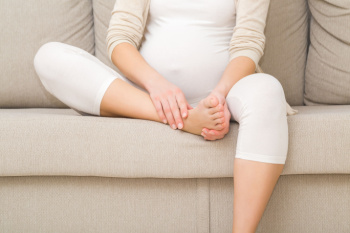
Pregnancy can bring significant changes to the feet, causing discomfort and affecting mobility. Weight gain and hormonal shifts can lead to swelling, low arches, and a flattened foot shape. Changes in the center of gravity may cause an unsteady gait, increasing the risk of falls. Swelling can create tightness and discomfort in shoes, while low arches may contribute to foot fatigue and pain. These issues often result from increased body mass, fluid retention, and ligament laxity caused by pregnancy hormones. A podiatrist can help by assessing foot structure, recommending supportive footwear or orthotics, providing exercises to strengthen the feet, and other solutions for managing pain. If you have foot pain during your pregnancy, it is suggested that you consult a podiatrist who can guide you toward effective relief tips.
Pregnant women with swollen feet can be treated with a variety of different methods that are readily available. For more information about other cures for swollen feet during pregnancy, consult with David Mehl, DPM from New York. Our doctor will attend to all of your foot and ankle needs.
What Foot Problems Can Arise During Pregnancy?
One problem that can occur is overpronation, which occurs when the arch of the foot flattens and tends to roll inward. This can cause pain and discomfort in your heels while you’re walking or even just standing up, trying to support your baby.
Another problem is edema, or swelling in the extremities. This often affects the feet during pregnancy but tends to occur in the later stages.
How Can I Keep My Feet Healthy During Pregnancy?
- Wearing orthotics can provide extra support for the feet and help distribute weight evenly
- Minimize the amount of time spent walking barefoot
- Wear shoes with good arch support
- Wear shoes that allow for good circulation to the feet
- Elevate feet if you experience swelling
- Massage your feet
- Get regular, light exercise, such as walking, to promote blood circulation to the feet
If you have any questions, please feel free to contact our offices located in Forest Hills, and Brooklyn, NY . We offer the newest diagnostic and treatment technologies for all your foot care needs.
Tuesday, 18 November 2025 00:00
Balance Exercises Can Help Prevent Falls

Good balance depends on the ability of the feet and ankles to sense position and react quickly to changes in surface or movement. This awareness, called proprioception, helps the body maintain stability and avoid falls. When proprioception is weakened by aging, foot injuries, or conditions that reduce nerve sensitivity, people are more likely to lose their balance and become at risk for falling. Balance exercises that strengthen the feet and ankles can improve coordination and control by retraining the small muscles and nerves that help the body adapt to uneven ground. A podiatrist can assess gait, range of motion, and nerve response to determine how balance training can improve foot function and prevent future injury. If you have sustained a foot injury from falling because of balance issues, it is suggested that you schedule an appointment with a podiatrist who can treat various foot injuries, and suggest specific balance exercises.
Preventing falls among the elderly is very important. If you are older and have fallen or fear that you are prone to falling, consult with David Mehl, DPM from New York. Our doctor will assess your condition and provide you with quality advice and care.
Every 11 seconds, an elderly American is being treated in an emergency room for a fall related injury. Falls are the leading cause of head and hip injuries for those 65 and older. Due to decreases in strength, balance, senses, and lack of awareness, elderly persons are very susceptible to falling. Thankfully, there are a number of things older persons can do to prevent falls.
How to Prevent Falls
Some effective methods that older persons can do to prevent falls include:
- Enrolling in strength and balance exercise program to increase balance and strength
- Periodically having your sight and hearing checked
- Discuss any medications you have with a doctor to see if it increases the risk of falling
- Clearing the house of falling hazards and installing devices like grab bars and railings
- Utilizing a walker or cane
- Wearing shoes that provide good support and cushioning
- Talking to family members about falling and increasing awareness
Falling can be a traumatic and embarrassing experience for elderly persons; this can make them less willing to leave the house, and less willing to talk to someone about their fears of falling. Doing such things, however, will increase the likelihood of tripping or losing one’s balance. Knowing the causes of falling and how to prevent them is the best way to mitigate the risk of serious injury.
If you have any questions, please feel free to contact our offices located in Forest Hills, and Brooklyn, NY . We offer the newest diagnostic and treatment technologies for all your foot care needs.
Tuesday, 11 November 2025 00:00
Metatarsal Stress Fractures Among Athletes
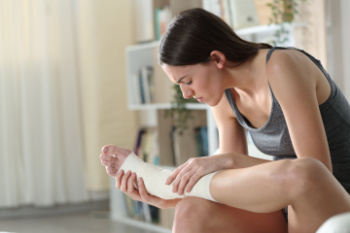
Metatarsal stress fractures occur when one or more of the long bones in the foot develop cracks from repetitive force, rather than a single injury. These hairline fractures can affect the head, shaft, or base of the metatarsal, and are especially seen in runners, basketball players, ballet dancers, and soccer players. Runners often develop stress fractures in the first and second metatarsals due to the repetitive bending forces placed on the forefoot. Basketball players are prone to avulsion-type fractures of the fifth metatarsal from sudden forces during jumping or rapid direction changes. Ballet dancers put intense compressive forces on the second and third metatarsals when dancing en pointe, which stresses the Lisfranc joints. Additionally, soccer players frequently experience torsional stress fractures of the fifth metatarsal, often referred to as Jones fractures. A podiatrist can evaluate foot structure, provide advanced imaging, and recommend treatment or surgery, if necessary. If you have metatarsal foot pain, it is suggested that you schedule an appointment with a podiatrist for an exam and appropriate treatment.
Activities where too much pressure is put on the feet can cause stress fractures. To learn more, contact David Mehl, DPM from New York. Our doctor can provide the care you need to keep your pain free and on your feet.
Dealing with Stress Fractures of the Foot and Ankle
Stress fractures occur in the foot and ankle when muscles in these areas weaken from too much or too little use. The feet and ankles then lose support when walking or running from the impact of the ground. Since there is no protection, the bones receive the full impact of each step. Stress on the feet can cause cracks to form in the bones, thus creating stress fractures.
What Are Stress Fractures?
Stress fractures occur frequently in individuals whose daily activities cause great impact on the feet and ankles. Stress factors are most common among:
- Runners
- People affected with Osteoporosis
- Tennis or basketball players
- Gymnasts
- High impact workouts
Symptoms
Pain from the fractures occur in the area of the fractures and can be constant or intermittent. It will often cause sharp or dull pain with swelling and tenderness. Engaging in any kind of activity which involves high impact will aggravate pain.
If you have any questions please contact our offices located in Forest Hills, and Brooklyn, NY . We offer the newest diagnostic and treatment technologies for all your foot and ankle needs.
Tuesday, 04 November 2025 00:00
Understanding Cuboid Syndrome and Its Treatment
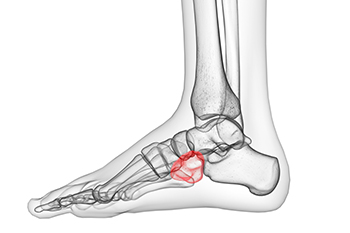
Cuboid syndrome occurs when the cuboid bone on the outer side of the foot becomes partially displaced or irritated, often due to overuse, ankle sprains, or repetitive stress. This condition can cause sharp pain along the outside of the foot, especially while walking or pushing off. Because it can mimic other injuries, proper diagnosis is essential. A podiatrist will carefully examine the foot, assess joint mobility, and may perform imaging to confirm the diagnosis. Treatment often includes gentle manipulation to realign the bone, padding or taping to stabilize the area, and custom orthotics to prevent recurrence. Targeted exercises may also be given to restore strength and flexibility. If you experience persistent pain on the outer side of your foot or discomfort after activity, it is suggested that you see a podiatrist for evaluation and personalized care.
Cuboid syndrome, also known as cuboid subluxation, occurs when the joints and ligaments near the cuboid bone in the foot become torn. If you have cuboid syndrome, consult with David Mehl, DPM from New York. Our doctor will assess your condition and provide you with quality foot and ankle treatment.
Cuboid syndrome is a common cause of lateral foot pain, which is pain on the outside of the foot. The condition may happen suddenly due to an ankle sprain, or it may develop slowly overtime from repetitive tension through the bone and surrounding structures.
Causes
The most common causes of cuboid syndrome include:
- Injury – The most common cause of this ailment is an ankle sprain.
- Repetitive Strain – Tension placed through the peroneus longus muscle from repetitive activities such as jumping and running may cause excessive traction on the bone causing it to sublux.
- Altered Foot Biomechanics – Most people suffering from cuboid subluxation have flat feet.
Symptoms
A common symptom of cuboid syndrome is pain along the outside of the foot which can be felt in the ankle and toes. This pain may create walking difficulties and may cause those with the condition to walk with a limp.
Diagnosis
Diagnosis of cuboid syndrome is often difficult, and it is often misdiagnosed. X-rays, MRIs and CT scans often fail to properly show the cuboid subluxation. Although there isn’t a specific test used to diagnose cuboid syndrome, your podiatrist will usually check if pain is felt while pressing firmly on the cuboid bone of your foot.
Treatment
Just as the range of causes varies widely, so do treatments. Some more common treatments are ice therapy, rest, exercise, taping, and orthotics.
If you have any questions, please feel free to contact our offices located in Forest Hills, and Brooklyn, NY . We offer the newest diagnostic and treatment technologies for all your foot care needs.
Blog Archives
- February 2026
- January 2026
- December 2025
- November 2025
- October 2025
- September 2025
- August 2025
- July 2025
- June 2025
- May 2025
- April 2025
- March 2025
- February 2025
- January 2025
- December 2024
- November 2024
- October 2024
- September 2024
- August 2024
- July 2024
- June 2024
- May 2024
- April 2024
- March 2024
- February 2024
- January 2024
- December 2023
- November 2023
- October 2023
- September 2023
- August 2023
- July 2023
- June 2023
- May 2023
- April 2023
- March 2023
- February 2023
- January 2023
