Connect With Us
Blog
Items filtered by date: October 2024
Tuesday, 29 October 2024 00:00
Taking Time for a Sprained Ankle to Heal

A sprained ankle occurs when the ligaments supporting the ankle are stretched or torn, often due to twisting, falling, or stepping awkwardly. Symptoms include pain, swelling, bruising, and difficulty bearing weight on the affected foot. The healing time for a sprained ankle varies based on the severity of the injury. Mild sprains may take just a few weeks to heal, while moderate or second degree sprains typically take four to six weeks. The most severe, or third degree sprains, can require three to six months. If you experience severe pain, significant swelling, or an inability to walk, it is important to seek medical attention. A podiatrist may recommend further evaluation including imaging tests to assess the injury and guide treatment. If you have sprained your ankle, it is suggested that you schedule an appointment with a podiatrist for an accurate diagnosis and effective treatment plan.
Although ankle sprains are common, they aren’t always minor injuries. If you need your ankle injury looked at, contact David Mehl, DPM from New York. Our doctor can provide the care you need to keep you pain-free and on your feet.
How Does an Ankle Sprain Occur?
Ankle sprains are the result of a tear in the ligaments within the ankle. These injuries may happen when you make a rapid shifting movement while your foot is planted. A less common way to sprain your ankle is when your ankle rolls inward while your foot turns outward.
What Are the Symptoms?
- Pain at the sight of the tear
- Bruising/Swelling
- Ankle area is tender to touch
- In severe cases, may hear/feel something tear
- Skin discoloration
Preventing a Sprain
- Wearing appropriate shoes for the occasion
- Stretching before exercises and sports
- Knowing your limits
Treatment of a Sprain
In many cases, the RICE method (Rest, Ice, Compression, and Elevate) is used to treat ankle sprains. However, you should see a podiatrist to see which treatment option would work best with your injury. In severe cases, surgery may be required.
It is important to ask your doctor about rehab options after you receive treatment for your injury. Stretching, strength training, and balance exercises may help the ankle heal while also preventing further injury.
If you have any questions, please feel free to contact our offices located in Forest Hills, and Brooklyn, NY . We offer the newest diagnostic and treatment technologies for all your foot care needs.
Tuesday, 22 October 2024 00:00
Erythromelalgia and Its Impact on the Feet

Erythromelalgia is a rare condition marked by severe burning pain, redness, and heat in the extremities, particularly affecting the feet. Individuals often experience debilitating symptoms that flare up in response to heat, exertion, or prolonged standing, leading to significant discomfort. The exact cause of erythromelalgia is not fully understood, but it is thought to involve abnormalities in blood flow and nerve function. This condition can affect people of all ages, but it is more commonly observed in adults, especially women. In the feet, erythromelalgia can hinder mobility and impact daily activities, making even simple tasks challenging. Understanding erythromelalgia is vital for those affected, as timely diagnosis and appropriate management strategies can help alleviate symptoms and improve overall quality of life. If you have any of the above symptoms, it is strongly suggested that you promptly consult a podiatrist who can help you to manage this condition.
Some foot conditions may require additional professional care. If you have any concerns, contact David Mehl, DPM of New York. Our doctor can provide the care you need to keep you pain-free and on your feet.
Rare Foot Conditions
The majority of foot conditions are common and can be treated by a podiatrist. Standard diagnostic procedures are generally used to identify specific conditions and treatment can be rendered. A podiatrist also treats rare foot conditions which can be difficult to diagnose and may need extra attention and care.
There are many rare foot conditions that can affect children. Some of these can include:
- Freiberg’s disease
- Kohler’s disease
- Maffucci syndrome
Freiberg’s disease - This can be seen as a deterioration and flattening of a metatarsal bone that exists in the ball of the foot. It typically affects pre-teen and teenage girls, but can affect anyone at any age. Symptoms that can accompany this can be swelling, stiffness, and the patient may limp.
Kohler’s disease - This often targets the bone in the arch of the foot and affects younger boys. It can lead to an interruption of the blood supply which ultimately can lead to bone deterioration. The patient may limp or experience tenderness, swelling, and redness.
Maffucci syndrome - This affects the long bones in a child’s foot leading to the development of abnormal bone lesions. They are benign growths and typically develop in early childhood and the bones may be susceptible to breaking.
A podiatrist can properly diagnose and treat all types of rare foot conditions. If your child is affected by any of these symptoms or conditions, please don’t hesitate to call our office so the correct treatment method can begin.
If you have any questions, please feel free to contact our offices located in Forest Hills, and Brooklyn, NY . We offer the newest diagnostic and treatment technologies for all your foot care needs.
Tuesday, 15 October 2024 00:00
Is My Toe Broken?
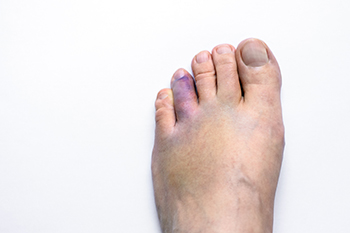
A broken toe can cause significant discomfort and disrupt daily activities. Common symptoms include intense pain at the site of injury, swelling, bruising, and difficulty walking. The toe may appear deformed or misaligned, and there can be tenderness when touched. Various factors contribute to broken toes, with osteoporosis being a notable cause. This condition weakens bones, making them more susceptible to fractures. Stress fractures, which occur from repetitive impact or overuse, can also lead to breaks in the toe. Additionally, dropping a heavy object on the foot is a frequent cause of toe fractures. There are various treatment methods for a broken toe, depending on the severity of the fracture. If you have broken your toe, it is suggested that you consult a podiatrist who can treat it effectively.
Broken toes may cause a lot of pain and should be treated as soon as possible. If you have any concerns about your feet, contact David Mehl, DPM from New York. Our doctor will treat your foot and ankle needs.
What Is a Broken Toe?
A broken toe occurs when one or more of the toe bones of the foot are broken after an injury. Injuries such as stubbing your toe or dropping a heavy object on it may cause a toe fracture.
Symptoms of a Broken Toe
- Swelling
- Pain (with/without wearing shoes)
- Stiffness
- Nail Injury
Although the injured toe should be monitored daily, it is especially important to have a podiatrist look at your toe if you have severe symptoms. Some of these symptoms include worsening or new pain that is not relieved with medication, sores, redness, or open wounds near the toe.
If you have any questions please feel free to contact our offices located in Forest Hills, and Brooklyn, NY . We offer the newest diagnostic tools and technology to treat your foot and ankle needs.
Tuesday, 08 October 2024 00:00
Causes and Implications of Flat Feet
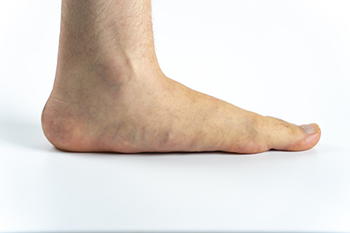
Pes planus, commonly known as flat feet, occurs when the medial longitudinal arch of the foot collapses. This results in the entire sole making contact with the ground, which leads to a flat appearance. Various factors contribute to the development of pes planus. Genetic predisposition plays a significant role, as some individuals inherit a tendency for weak arches. Additionally, obesity places excess strain on the feet, weakening the arch over time. Other causes include injuries or conditions that damage the tendons supporting the arch, such as posterior tibial tendon dysfunction. Chronic conditions like diabetes and rheumatoid arthritis can also contribute to the loss of the arch. If you have flat feet, it is suggested that you are under the care of a podiatrist who can offer you comfort options help you to manage this condition.
Flatfoot is a condition many people suffer from. If you have flat feet, contact David Mehl, DPM from New York. Our doctor will treat your foot and ankle needs.
What Are Flat Feet?
Flatfoot is a condition in which the arch of the foot is depressed and the sole of the foot is almost completely in contact with the ground. About 20-30% of the population generally has flat feet because their arches never formed during growth.
Conditions & Problems:
Having flat feet makes it difficult to run or walk because of the stress placed on the ankles.
Alignment – The general alignment of your legs can be disrupted, because the ankles move inward which can cause major discomfort.
Knees – If you have complications with your knees, flat feet can be a contributor to arthritis in that area.
Symptoms
- Pain around the heel or arch area
- Trouble standing on the tip toe
- Swelling around the inside of the ankle
- Flat look to one or both feet
- Having your shoes feel uneven when worn
Treatment
If you are experiencing pain and stress on the foot you may weaken the posterior tibial tendon, which runs around the inside of the ankle.
If you have any questions, please feel free to contact our offices located in Forest Hills, and Brooklyn, NY . We offer the newest diagnostic and treatment technologies for all your foot care needs.
Tuesday, 01 October 2024 00:00
Causes of Heel Pad Syndrome

Heel pad syndrome develops when the fatty tissue beneath your heel loses thickness or elasticity, causing discomfort with every step. This tissue normally serves as a shock absorber, but over time, aging and repetitive stress can cause it to break down. Particular factors that increase heel pad syndrome include running, being overweight, or frequently walking on hard surfaces. The resulting loss of cushioning leads to pain, typically felt in the center of the heel during standing for long periods, walking long distances, or running. A podiatrist can provide relief by prescribing custom orthotics or heel cups to redistribute pressure. Lifestyle changes that decrease stress on the heels and medication to reduce inflammation also help. Early diagnosis and treatment are essential to prevent further complications. If you are experiencing heel pain, it is suggested that you schedule an appointment with a podiatrist for treatment options.
Many people suffer from bouts of heel pain. For more information, contact David Mehl, DPM of New York. Our doctor can provide the care you need to keep you pain-free and on your feet.
Causes of Heel Pain
Heel pain is often associated with plantar fasciitis. The plantar fascia is a band of tissues that extends along the bottom of the foot. A rip or tear in this ligament can cause inflammation of the tissue.
Achilles tendonitis is another cause of heel pain. Inflammation of the Achilles tendon will cause pain from fractures and muscle tearing. Lack of flexibility is also another symptom.
Heel spurs are another cause of pain. When the tissues of the plantar fascia undergo a great deal of stress, it can lead to ligament separation from the heel bone, causing heel spurs.
Why Might Heel Pain Occur?
- Wearing ill-fitting shoes
- Wearing non-supportive shoes
- Weight change
- Excessive running
Treatments
Heel pain should be treated as soon as possible for immediate results. Keeping your feet in a stress-free environment will help. If you suffer from Achilles tendonitis or plantar fasciitis, applying ice will reduce the swelling. Stretching before an exercise like running will help the muscles. Using all these tips will help make heel pain a condition of the past.
If you have any questions, please feel free to contact our offices located in Forest Hills, and Brooklyn, NY . We offer the newest diagnostic and treatment technologies for all your foot care needs.
Blog Archives
- February 2026
- January 2026
- December 2025
- November 2025
- October 2025
- September 2025
- August 2025
- July 2025
- June 2025
- May 2025
- April 2025
- March 2025
- February 2025
- January 2025
- December 2024
- November 2024
- October 2024
- September 2024
- August 2024
- July 2024
- June 2024
- May 2024
- April 2024
- March 2024
- February 2024
- January 2024
- December 2023
- November 2023
- October 2023
- September 2023
- August 2023
- July 2023
- June 2023
- May 2023
- April 2023
- March 2023
- February 2023
- January 2023
