Connect With Us
Blog
Items filtered by date: June 2023
Tuesday, 27 June 2023 00:00
Who Can Be Prone to Getting Athlete’s Foot?
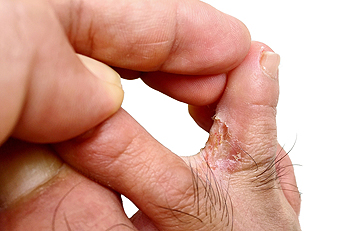
Athlete’s foot is a common condition that many people will develop at some point in their lives. It can be uncomfortable and causes itchiness and redness. The affected areas are the bottom of the foot and between the toes. The itching can become so severe that people often seek medical treatment for relief. It is caused by a fungus that can enter the body through tiny cracks in the skin. This fungus thrives in warm and moist environments, including public swimming pools, shower room floors, and similar areas. It is beneficial to wear appropriate shoes in these areas, such as flip-flops or water shoes, which are sufficient to protect the soles of the feet. People who have sweaty feet, poor circulation, or a weakened immune system may be prone to getting athlete’s foot. Temporary relief may be found by applying over-the-counter creams. If you have developed athlete’s foot, it is strongly suggested that you visit a podiatrist who can prescribe medication as a permanent treatment method.
Athlete’s foot is an inconvenient condition that can be easily reduced with the proper treatment. If you have any concerns about your feet and ankles, contact David Mehl, DPM from New York. Our doctor will treat your foot and ankle needs.
Athlete’s Foot: The Sole Story
Athlete's foot, also known as tinea pedis, can be an extremely contagious foot infection. It is commonly contracted in public changing areas and bathrooms, dormitory style living quarters, around locker rooms and public swimming pools, or anywhere your feet often come into contact with other people.
Solutions to Combat Athlete’s Foot
- Hydrate your feet by using lotion
- Exfoliate
- Buff off nails
- Use of anti-fungal products
- Examine your feet and visit your doctor if any suspicious blisters or cuts develop
Athlete’s foot can cause many irritating symptoms such as dry and flaking skin, itching, and redness. Some more severe symptoms can include bleeding and cracked skin, intense itching and burning, and even pain when walking. In the worst cases, Athlete’s foot can cause blistering as well. Speak to your podiatrist for a better understanding of the different causes of Athlete’s foot, as well as help in determining which treatment options are best for you.
If you have any questions please feel free to contact our offices located in Forest Hills, and Brooklyn, NY . We offer the newest diagnostic and treatment technologies for all your foot and ankle needs.
Tuesday, 20 June 2023 00:00
How Do Blisters Develop?
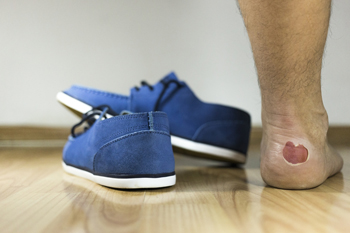
The best way to treat a blister on the foot is by leaving it alone. This may be challenging while wearing shoes and it may pop prematurely. A blister is defined as a small area on the skin that has been irritated. It resembles a bubble that is filled with liquid. Blisters can occur due to excess friction from wearing shoes and socks that do not fit correctly. The liquid is a protective fluid that can help to protect the damaged skin by preventing bacteria and fungus from entering it. The blister will naturally drain when new skin has formed, but it can help to cover it with a dressing until the blister drains. It may be beneficial to elevate the foot to help reduce swelling. If you have a blister on your foot, it is suggested that you confer with a podiatrist who can properly treat this ailment.
Blisters are prone to making everyday activities extremely uncomfortable. If your feet are hurting, contact David Mehl, DPM of New York. Our doctor can provide the care you need to keep you pain-free and on your feet.
Foot Blisters
Foot blisters develop as a result of constantly wearing tight or ill-fitting footwear. This happens due to the constant rubbing from the shoe, which can often lead to pain.
What Are Foot Blisters?
A foot blister is a small fluid-filled pocket that forms on the upper-most layer of the skin. Blisters are filled with clear fluid and can lead to blood drainage or pus if the area becomes infected.
How Do Blisters Form?
Blisters on the feet are often the result of constant friction of skin and material, usually by shoe rubbing. Walking in sandals, boots, or shoes that don’t fit properly for long periods of time can result in a blister. Having consistent foot moisture and humidity can easily lead to blister formation.
Prevention & Treatment
It is important to properly care for the affected area in order to prevent infection and ease the pain. Do not lance the blister and use a Band-Aid to provide pain relief. Also, be sure to keep your feet dry and wear proper fitting shoes. If you see blood or pus in a blister, seek assistance from a podiatrist.
If you have any questions, please feel free to contact our offices located in Forest Hills, and Brooklyn, NY . We offer the newest diagnostic and treatment technologies for all your foot care needs.
Tuesday, 13 June 2023 00:00
Symptoms That May Indicate Gout
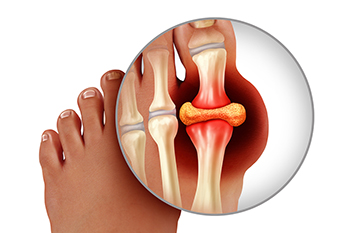
Gout is an inflammatory condition that causes extreme pain in the joints and is particularly common in the big toe. Patients with gout suffer from hyperuricemia, an overabundance of uric acid in the bloodstream. Uric acid then crystallizes, forming sharp, short needles that settle in the joint and cause extreme pain. Anyone can suffer from gout, but it is more common among men over the age of 30. Risk factors for gout are genetics, alcohol use, and a diet rich in foods that contain a high level of purines. These include red meat, seafood, and beverages made with alcohol or large amounts of sugar. The top indicator of gout in the big toe is severe pain. This may come on suddenly and typically occurs at night. The intense pain can linger for days. Swelling, tenderness, and redness are also hallmarks of gout. The skin on the toe may begin to peel and then become itchy and flaky. It also may begin to feel hot to the touch. In some cases, a low-grade fever develops, along with flu-like symptoms. If you believe you may have gout in the big toe, it is suggested that you make an appointment with a podiatrist who can offer treatment options.
Gout is a foot condition that requires certain treatment and care. If you are seeking treatment, contact David Mehl, DPM from New York. Our doctor will treat your foot and ankle needs.
What Is Gout?
Gout is a type of arthritis caused by a buildup of uric acid in the bloodstream. It often develops in the foot, especially the big toe area, although it can manifest in other parts of the body as well. Gout can make walking and standing very painful and is especially common in diabetics and the obese.
People typically get gout because of a poor diet. Genetic predisposition is also a factor. The children of parents who have had gout frequently have a chance of developing it themselves.
Gout can easily be identified by redness and inflammation of the big toe and the surrounding areas of the foot. Other symptoms include extreme fatigue, joint pain, and running high fevers. Sometimes corticosteroid drugs can be prescribed to treat gout, but the best way to combat this disease is to get more exercise and eat a better diet.
If you have any questions, please feel free to contact our offices located in Forest Hills, and Brooklyn, NY . We offer the newest diagnostic and treatment technologies for all your foot care needs.
Tuesday, 06 June 2023 00:00
Bunions and Climbing
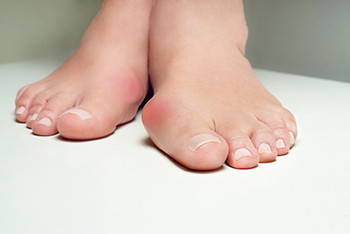
Bunions are a specific kind of foot affliction that can develop when a bony bump forms on the side of the foot, commonly at the big toe. Bunions may also develop near the pinky toe. Living with a bunion can make particular physical activities significantly more difficult to engage in. For example, climbing is an activity that many Americans enjoy. However, climbing with ill-fitting footwear can increase one’s risk of developing a bunion. In particular, climbing with shoes that are too tight can ultimately lead to bunion formation. Since climbing requires a person to put a significant amount of pressure on the feet, climbing with bunions may prove to be challenging. If you are a climber and want to prevent or treat a foot condition like bunions, it is suggested that you schedule an appointment with a podiatrist today.
If you are suffering from bunions, contact David Mehl, DPM of New York. Our doctor can provide the care you need to keep you pain-free and on your feet.
What Is a Bunion?
A bunion is formed of swollen tissue or an enlargement of boney growth, usually located at the base joint of the toe that connects to the foot. The swelling occurs due to the bones in the big toe shifting inward, which impacts the other toes of the foot. This causes the area around the base of the big toe to become inflamed and painful.
Why Do Bunions Form?
Genetics – Susceptibility to bunions are often hereditary
Stress on the feet – Poorly fitted and uncomfortable footwear that places stress on feet, such as heels, can worsen existing bunions
How Are Bunions Diagnosed?
Podiatrists often perform two tests – blood tests and x-rays – when trying to diagnose bunions, especially in the early stages of development. Blood tests help determine if the foot pain is being caused by something else, such as arthritis, while x-rays provide a clear picture of your bone structure to your provider.
How Are Bunions Treated?
- Refrain from wearing heels or similar shoes that cause discomfort
- Select wider shoes that can provide more comfort and reduce pain
- Anti-inflammatory and pain management drugs
- Orthotics or foot inserts
- Surgery
If you have any questions, please feel free to contact our offices located in Forest Hills, and Brooklyn, NY . We offer the newest diagnostic and treatment technologies for all your foot care needs.
Blog Archives
- February 2026
- January 2026
- December 2025
- November 2025
- October 2025
- September 2025
- August 2025
- July 2025
- June 2025
- May 2025
- April 2025
- March 2025
- February 2025
- January 2025
- December 2024
- November 2024
- October 2024
- September 2024
- August 2024
- July 2024
- June 2024
- May 2024
- April 2024
- March 2024
- February 2024
- January 2024
- December 2023
- November 2023
- October 2023
- September 2023
- August 2023
- July 2023
- June 2023
- May 2023
- April 2023
- March 2023
- February 2023
- January 2023
