Connect With Us
Blog
Items filtered by date: September 2025
Tuesday, 30 September 2025 00:00
Possible Causes of Cracked Heels
 Patients who have cracked heels often notice their feet can feel better when their feet are soaked in warm water, followed by applying a good moisturizer to them. Probable causes of this condition can include standing on hard surfaces for the majority of the day, or from wearing shoes that have an open back. Additionally, certain medical ailments may cause cracked heels to develop, including eczema, psoriasis, and other skin conditions. Older people may experience cracked heels. This may be a result of thinning skin that has lost a portion of its elasticity and not drinking adequate amounts of water on a daily basis. If the cracks become deep and are left untreated, these are referred to as fissures, and infections may develop. If you notice the first signs of cracked heels, it is suggested that you consult with a podiatrist who can properly treat this condition.
Cracked heels are unsightly and can cause further damage to your shoes and feet. If you have any concerns, contact David Mehl, DPM from New York. Our doctor can provide the care you need to keep you pain-free and on your feet.
Cracked Heels
Cracked heels appear unappealing and can make it harder for you walk around in sandals. Aside from looking unpleasant, cracked heels can also tear stockings, socks, and wear out your shoes. There are several methods to help restore a cracked heel and prevent further damage.
How Do You Get Them?
Dry skin is the number one culprit in creating cracked heels. Many athletes, walkers, joggers, and even swimmers suffer from cracked heels. Age and skin oil production play a role to getting cracked heels as well.
Promote Healing
Over the counter medicines can help, especially for those that need instant relief or who suffer from chronic dry feet.
Wear Socks – Wearing socks with medicated creams helps lock in moisture.
Moisturizers – Applying both day and night will help alleviate dryness which causes cracking.
Pumice Stones – These exfoliate and remove dead skin, which allows for smoother moisturizer application and better absorption into the skin.
Change in Diet
Eating healthy with a well-balanced diet will give the skin a fresh and radiant look. Your body responds to the kinds of food you ingest. Omega-3 fatty acids and zinc supplements can also revitalize skin tissue.
Most importantly, seek professional help if unsure how to proceed in treating cracked heels. A podiatrist will help you with any questions or information needed.
If you have any questions, please feel free to contact our offices located in Forest Hills, and Brooklyn, NY . We offer the newest diagnostic and treatment technologies for all your foot care needs.
Tuesday, 23 September 2025 00:00
Common Causes and Locations of Foot Pain
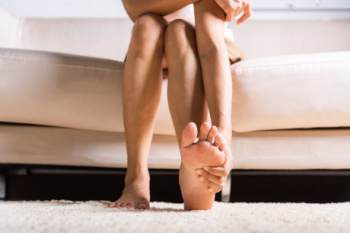
Foot pain is a common issue that can affect people of all ages, and the causes can vary. One of the most common causes is plantar fasciitis, which results in pain at the bottom of the heel and arch, often felt during the first steps in the morning. Foot osteoarthritis can cause pain in the joints of the foot, particularly the big toe, leading to stiffness and swelling. Another cause is posterior tibial tendonitis, which affects the inner ankle and can radiate through the arch, leading to pain and difficulty with movement. Additionally, tarsal tunnel syndrome, caused by compression of the tibial nerve, results in pain, tingling, or numbness on the inside of the foot and ankle. If you have any type of foot pain, it is strongly suggested that you promptly contact a podiatrist who can accurately diagnose and treat various foot conditions.
Foot Pain
Foot pain can be extremely painful and debilitating. If you have a foot pain, consult with David Mehl, DPM from New York. Our doctor will assess your condition and provide you with quality foot and ankle treatment.
Causes
Foot pain is a very broad condition that could be caused by one or more ailments. The most common include:
- Bunions
- Hammertoes
- Plantar Fasciitis
- Bone Spurs
- Corns
- Tarsal Tunnel Syndrome
- Ingrown Toenails
- Arthritis (such as Gout, Rheumatoid, and Osteoarthritis)
- Flat Feet
- Injury (from stress fractures, broken toe, foot, ankle, Achilles tendon ruptures, and sprains)
- And more
Diagnosis
To figure out the cause of foot pain, podiatrists utilize several different methods. This can range from simple visual inspections and sensation tests to X-rays and MRI scans. Prior medical history, family medical history, and any recent physical traumatic events will all be taken into consideration for a proper diagnosis.
Treatment
Treatment depends upon the cause of the foot pain. Whether it is resting, staying off the foot, or having surgery; podiatrists have a number of treatment options available for foot pain.
If you have any questions, please feel free to contact our offices located in Forest Hills, and Brooklyn, NY . We offer the newest diagnostic and treatment technologies for all your foot care needs.
Tuesday, 16 September 2025 00:00
Bunion Causes and Symptoms
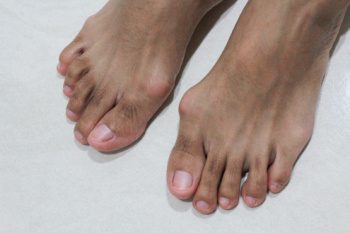
Bunions are a foot deformity that often develop gradually, leading to pain and changes in toe alignment. The most noticeable symptom of a bunion is a hard, bony bump on the side of the big toe that may become red, swollen, and tender from pressure inside shoes. As the bunion progresses, the big toe shifts inward toward the second toe, sometimes crossing over or under it, which can cause stiffness and difficulty in moving the joint. Pain at the base of the toe is common, especially when walking or standing for long periods. Bunions may also lead to irritation of the bursa, a small fluid-filled sac, resulting in bursitis, or displacement of the sesamoid bones under the big toe joint. Causes of bunions include inherited foot structure, arthritis, and frequent use of shoes that lack adequate support or have a narrow, pointed toe box, such as high heels or flip-flops. If you are experiencing pain from a bunion, it is suggested that you schedule an appointment with a podiatrist for an evaluation and appropriate treatment.
If you are suffering from bunions, contact David Mehl, DPM of New York. Our doctor can provide the care you need to keep you pain-free and on your feet.
What Is a Bunion?
A bunion is formed of swollen tissue or an enlargement of boney growth, usually located at the base joint of the toe that connects to the foot. The swelling occurs due to the bones in the big toe shifting inward, which impacts the other toes of the foot. This causes the area around the base of the big toe to become inflamed and painful.
Why Do Bunions Form?
Genetics – Susceptibility to bunions are often hereditary
Stress on the feet – Poorly fitted and uncomfortable footwear that places stress on feet, such as heels, can worsen existing bunions
How Are Bunions Diagnosed?
Podiatrists often perform two tests – blood tests and x-rays – when trying to diagnose bunions, especially in the early stages of development. Blood tests help determine if the foot pain is being caused by something else, such as arthritis, while x-rays provide a clear picture of your bone structure to your provider.
How Are Bunions Treated?
- Refrain from wearing heels or similar shoes that cause discomfort
- Select wider shoes that can provide more comfort and reduce pain
- Anti-inflammatory and pain management drugs
- Orthotics or foot inserts
- Surgery
If you have any questions, please feel free to contact our offices located in Forest Hills, and Brooklyn, NY . We offer the newest diagnostic and treatment technologies for all your foot care needs.
Tuesday, 09 September 2025 00:00
Relief Methods for Plantar Fasciitis

Plantar fasciitis develops when the thick band of tissue on the bottom of the foot, known as the plantar fascia, becomes strained and inflamed. This tissue supports the arch and helps absorb impact with each step. When it is irritated, pain is often felt near the heel, especially with the first steps in the morning. A podiatrist can provide an accurate diagnosis and suggest treatments that reduce pressure on the fascia. Supportive shoe inserts, shoes that provide adequate arch support, and custom orthotics may be recommended or prescribed. In addition, stretching exercises to improve flexibility in the Achilles tendon, calf muscles, and the plantar fascia itself can help restore normal foot mechanics and lessen discomfort. Taping or night splints may also be used to keep the foot in a stable position while healing. If you are experiencing foot or heel pain as the result of plantar fasciitis, it is suggested that you schedule an appointment with a podiatrist for effective treatment.
Plantar fasciitis is a common foot condition that is often caused by a strain injury. If you are experiencing heel pain or symptoms of plantar fasciitis, contact David Mehl, DPM from New York. Our doctor can provide the care you need to keep you pain-free and on your feet.
What Is Plantar Fasciitis?
Plantar fasciitis is one of the most common causes of heel pain. The plantar fascia is a ligament that connects your heel to the front of your foot. When this ligament becomes inflamed, plantar fasciitis is the result. If you have plantar fasciitis you will have a stabbing pain that usually occurs with your first steps in the morning. As the day progresses and you walk around more, this pain will start to disappear, but it will return after long periods of standing or sitting.
What Causes Plantar Fasciitis?
- Excessive running
- Having high arches in your feet
- Other foot issues such as flat feet
- Pregnancy (due to the sudden weight gain)
- Being on your feet very often
There are some risk factors that may make you more likely to develop plantar fasciitis compared to others. The condition most commonly affects adults between the ages of 40 and 60. It also tends to affect people who are obese because the extra pounds result in extra stress being placed on the plantar fascia.
Prevention
- Take good care of your feet – Wear shoes that have good arch support and heel cushioning.
- Maintain a healthy weight
- If you are a runner, alternate running with other sports that won’t cause heel pain
There are a variety of treatment options available for plantar fasciitis along with the pain that accompanies it. Additionally, physical therapy is a very important component in the treatment process. It is important that you meet with your podiatrist to determine which treatment option is best for you.
If you have any questions, please feel free to contact our offices located in Forest Hills, and Brooklyn, NY . We offer the newest diagnostic and treatment technologies for all your foot care needs.
Tuesday, 02 September 2025 00:00
Why Flip Flops Are Not Healthy for Your Feet
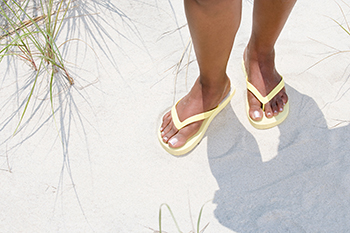
Flip-flops may feel convenient in warm weather, but they can have negative effects on foot health. Wearing them regularly alters the natural gait pattern and affects the biomechanics of the foot and ankle. This often leads to shorter strides and overworked muscles, which can contribute to pain and instability. Prolonged use may increase the risk of foot conditions such as plantar fasciitis, tendonitis, or stress injuries due to lack of support. A podiatrist can evaluate any issues caused by improper footwear and recommend healthier alternatives that provide stability and comfort. If you are experiencing foot discomfort from wearing flip-flops, it is suggested that you consult a podiatrist who can treat various conditions, and guide you on alternative shoe choices to consider.
Flip-flops can cause a lot of problems for your feet. If you have any concerns about your feet or ankles, contact David Mehl, DPM from New York. Our doctor will assist you with all of your foot and ankle needs.
Flip-Flops and Feet
Flip-flops have managed to become a summer essential for a lot of people. While the shoes may be stylish and easy to slip on and off, they can be dangerous to those who wear them too often. These shoes might protect you from fungal infections such as athlete’s foot, but they can also give you foot pain and sprained ankles if you trip while wearing them.
When Are They Okay to Wear?
Flip-flops should only be worn for very short periods of time. They can help protect your feet in places that are crawling with fungi, such as gym locker rooms. Athlete’s foot and plantar warts are two common fungi that flip-flops may help protect your feet against.
Why Are They Bad for My Feet?
These shoes do not offer any arch support, so they are not ideal for everyday use. They also do not provide shock absorption or heel cushioning which can be problematic for your feet. Additionally, you may suffer from glass cuts, puncture wounds, and stubbed toes since they offer little protection for your feet.
More Reasons Why They Are Bad for Your Feet
- They Slow You Down
- May Cause Blisters and Calluses
- Expose Your Feet to Bacteria
If you have any questions, please feel free to contact our offices located in Forest Hills, and Brooklyn, NY . We offer the newest diagnostic and treatment technologies for all your foot care needs.
Blog Archives
- February 2026
- January 2026
- December 2025
- November 2025
- October 2025
- September 2025
- August 2025
- July 2025
- June 2025
- May 2025
- April 2025
- March 2025
- February 2025
- January 2025
- December 2024
- November 2024
- October 2024
- September 2024
- August 2024
- July 2024
- June 2024
- May 2024
- April 2024
- March 2024
- February 2024
- January 2024
- December 2023
- November 2023
- October 2023
- September 2023
- August 2023
- July 2023
- June 2023
- May 2023
- April 2023
- March 2023
- February 2023
- January 2023
