Connect With Us
Blog
Items filtered by date: June 2025
Tuesday, 24 June 2025 00:00
How Footwear Affects Movement and Mobility at Every Age

The shoes we wear influence how we walk, balance, and move through daily life. In early years, flexible shoes that allow natural movement can help support developing feet. As we age, footwear with proper arch support, cushioning, and stability becomes more important. Poor shoe choices can contribute to joint strain, foot deformities, or falls, especially in older adults. Over time, unsupportive or ill-fitting shoes may alter gait patterns and affect posture, leading to discomfort in the knees, hips, or back. Choosing the right footwear can help preserve comfort and movement ability from childhood into later years. It is not only about style or fit, it is about supporting long-term mobility. If you are experiencing discomfort or noticing changes in how you walk, it is suggested that you schedule an appointment with a podiatrist for a diagnosis and appropriate treatment.
Getting the right shoe size is an important part of proper foot health. Seek the assistance of David Mehl, DPM from New York. Our doctor will provide the care you need to keep you pain-free and on your feet.
Getting the Right Shoe Size
There are many people who wear shoes that are the incorrect size, negatively affecting their feet and posture. Selecting the right shoes is not a difficult process, so long as you keep several things in mind when it comes to choosing the right pair.
- When visiting the shoe store, use the tools available to measure your foot.
- Be sure there is ‘wiggle room’. There should be about an inch between your toes and the tip of your shoes.
- Do not always assume you are the same size, as manufacturers run differently.
- Purchase shoes later in the day, as your feet swell as the day progresses.
- If a shoe is not comfortable, it is not suitable. Most shoes can’t be ‘broken in’, and comfort should be the ultimate goal when it comes to choosing the right pair of shoes
As our feet hold our body weight and keep us moving, it is important to treat them right. Picking the right pair of shoes can provide your feet comfort and mobility without pain.
If you have any questions, please feel free to contact our offices located in Forest Hills, and Brooklyn, NY . We offer the newest diagnostic and treatment technologies for all your foot care needs.
Tuesday, 17 June 2025 00:00
Causes and Symptoms of Ingrown Toenails
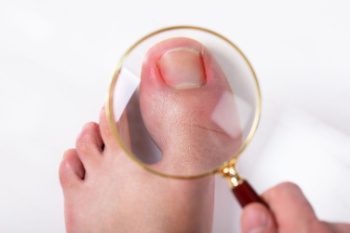
Ingrown toenails occur when the edge of a toenail grows into the surrounding skin, causing pain, swelling, and sometimes infection. This condition is often caused by improper nail trimming, wearing tight shoes, injury, or a genetic predisposition to curved nails. It most frequently affects the big toe. Symptoms include redness, tenderness along one or both sides of the nail, swelling, and sometimes drainage or pus if the area becomes infected. The toe may feel sore when touched or when pressure is applied from walking or wearing shoes. Infected ingrown nails can become increasingly painful and may lead to more serious complications if left untreated. A podiatrist can relieve discomfort and prevent recurrence by carefully removing the ingrown portion of the nail. In recurring or severe cases, a minor in-office procedure may be done to remove part of the nail root. Proper nail care guidance is also provided. If you are experiencing a painful ingrown toenail, it is suggested that you schedule an appointment with a podiatrist.
Ingrown toenails may initially present themselves as a minor discomfort, but they may progress into an infection in the skin without proper treatment. For more information about ingrown toenails, contact David Mehl, DPM of New York. Our doctor can provide the care you need to keep you pain-free and on your feet.
Ingrown Toenails
Ingrown toenails are caused when the corner or side of a toenail grows into the soft flesh surrounding it. They often result in redness, swelling, pain, and in some cases, infection. This condition typically affects the big toe and may recur if it is not treated properly.
Causes
- Improper toenail trimming
- Genetics
- Improper shoe fitting
- Injury from pedicures or nail picking
- Abnormal gait
- Poor hygiene
You are more likely to develop an ingrown toenail if you are obese, have diabetes, arthritis, or have any fungal infection in your nails. Additionally, people who have foot or toe deformities are at a higher risk of developing an ingrown toenail.
Symptoms
Some symptoms of ingrown toenails are redness, swelling, and pain. In rare cases, there may be a yellowish drainage coming from the nail.
Treatment
Ignoring an ingrown toenail can have serious complications. Infections of the nail border can progress to a deeper soft-tissue infection, which can then turn into a bone infection. You should always speak with your podiatrist if you suspect you have an ingrown toenail, especially if you have diabetes or poor circulation.
If you have any questions, please feel free to contact our offices located in Forest Hills, and Brooklyn, NY . We offer the newest diagnostic and treatment technologies for all your foot care needs.
Tuesday, 10 June 2025 00:00
Causes of Dry Cracked Heels
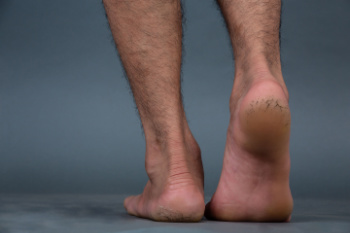
Dry, cracked heels, or heel fissures, often worsen during warm weather due to increased activity and environmental exposure. Open-backed shoes like sandals offer little protection or support for the heel, allowing the skin to dry out and split. Warm temperatures and outdoor activities can lead to more time spent walking barefoot or in thin-soled footwear, which places more pressure on the heel. Excessive sweating followed by rapid evaporation also contributes to skin dryness. Prolonged standing or walking on hard surfaces during summer outings adds to the stress placed on the skin of the feet. Swimmers and beachgoers may experience dry skin from continuous water exposure, which strips the skin of natural oils. A podiatrist can help treat dry, cracked heels and reduce the risk of infection or deeper skin damage. If your heels are cracking, it is suggested that you schedule an appointment with a podiatrist for an exam, diagnosis, and treatment options.
If the skin on your feet starts to crack, you may want to see a podiatrist to find treatment. If you have any concerns, contact David Mehl, DPM from New York. Our doctor can provide the care you need to keep you pain-free and on your feet.
Cracked Heels
It is important to moisturize your cracked heels in order to prevent pain, bleeding, and infection. The reason cracked heels form is because the skin on the foot is too dry to support the immense pressure placed on them. When the foot expands, the dry skin on the foot begins to split.
Ways to Help Heal Them
- Invest in a good foot cream
- Try Using Petroleum Jelly
- Ease up on Soaps
- Drink Plenty of Water
Ways to Prevent Cracked Heels
- Moisturize After Showering
- Skip a Shower
- Keep Shower Water Lukewarm
- Don’t Scrub Your Feet
If you are unsure how to proceed in treating cracked heels, seek guidance from a podiatrist. Your doctor will help you with any questions or information you may need.
If you have any questions, please feel free to contact our offices located in Forest Hills, and Brooklyn, NY . We offer the newest diagnostic and treatment technologies for all your foot care needs.
Tuesday, 03 June 2025 00:00
Plantar Fibromas Cause Foot Lumps
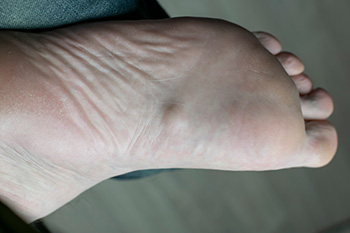
Plantar fibromas are non-cancerous, fibrous tissue growths that develop in the arch of the foot within the plantar fascia. The exact cause is unknown, but they may be linked to genetics, trauma, or repetitive stress on the foot. Unlike warts or calluses, plantar fibromas are firm, deep, and often slowly increase in size. Symptoms include a noticeable lump in the arch of the foot that may feel firm to the touch. While some people experience no pain, others feel discomfort or achiness, especially when walking, standing, or wearing shoes that press against the growth. A podiatrist can diagnose a plantar fibroma through physical examination and imaging like ultrasound or MRI scans. Treatment options include custom orthotics to offload pressure, anti-inflammatory medication, steroid injections to reduce size and discomfort, or targeted exercises. In persistent or painful cases, surgical removal may be necessary. If you have a bothersome plantar fibromas, it is suggested that you schedule an appointment with a podiatrist for relief and treatment tips.
A plantar fibroma may disrupt your daily activities. If you have any concerns, contact David Mehl, DPM of New York. Our doctor can provide the care you need to keep you pain-free and on your feet.
Plantar Fibroma
A plantar fibroma is a fibrous knot in the arch of the foot. It is embedded in the plantar fascia which is a band of tissue that extends from the heel to the toes along the bottom of the foot. There can be multiple plantar fibromas in the feet at the same time. There are no known causes for this condition. If you have a plantar fibroma, there will be a bump in the arch of your foot that cannot be missed. Any associated pain is most often due to a shoe rubbing against the nodule. Non-surgical options, such as steroid injections, physical therapy, and orthotics should be tried first. Surgery is a last resort and is the only thing that will remove a plantar fibroma entirely. Consult with a podiatrist for a proper diagnosis and to determine the treatment regimen that is right for you.
What Causes a Plantar Fibroma?
While there are no specific causes identified, a plantar fibroma can possibly come from genetic predisposition or the formation of scar tissue that forms from healing the tears in the plantar fascia.
What Are the Symptoms of a Plantar Fibroma?
There will be a noticeable lump in the arch of the foot that may or may not cause pain. If pain is felt, it is typically because a shoe is rubbing up against the lump or when walking or standing barefoot.
Treatment and Prevention
A plantar fibroma will not disappear without treatment, but it can get smaller and be a non-issue. If pain persists, a podiatrist examines the foot and when the arch of the foot is pressed, pain can be felt down to the toes. An MRI or biopsy might be performed to help diagnose or evaluate the plantar fibroma. The following non-surgical options are generally enough to reduce the size and pain of these nodules:
- Steroid injections
- Orthotics
- Physical therapy to help apply anti-inflammatory creams on the bump
Surgery is considered if the mass increases in size and the patient continues to feel pain after non-surgical methods are tried.
If you have any questions, please feel free to contact our offices located in Forest Hills, and Brooklyn, NY . We offer the newest diagnostic and treatment technologies for all your foot care needs.
Blog Archives
- February 2026
- January 2026
- December 2025
- November 2025
- October 2025
- September 2025
- August 2025
- July 2025
- June 2025
- May 2025
- April 2025
- March 2025
- February 2025
- January 2025
- December 2024
- November 2024
- October 2024
- September 2024
- August 2024
- July 2024
- June 2024
- May 2024
- April 2024
- March 2024
- February 2024
- January 2024
- December 2023
- November 2023
- October 2023
- September 2023
- August 2023
- July 2023
- June 2023
- May 2023
- April 2023
- March 2023
- February 2023
- January 2023
