Connect With Us
Blog
Items filtered by date: April 2025
Tuesday, 29 April 2025 00:00
Managing Episodes of Gout

Gout is a painful form of arthritis caused by a buildup of uric acid crystals in the joints, most commonly in the big toe. Flare-ups can be triggered by diet, dehydration, alcohol, certain medications, or underlying health conditions like kidney disease. Consuming red meat, shellfish, sugary drinks, and alcohol, especially beer, are known to increase uric acid levels. Symptoms of gout include sudden, intense joint pain, swelling, redness, and warmth in the affected area. The pain often strikes at night and can be so severe that even a bedsheet touching the toe feels unbearable. A podiatrist plays a key role in diagnosing and managing gout. They can confirm the condition through physical exams, imaging, or lab tests, and recommend personalized treatment plans including medication, dietary changes, and lifestyle adjustments to prevent future flare-ups. If you have painful gout, it is suggested that you are under the care of a podiatrist.
Gout is a foot condition that requires certain treatment and care. If you are seeking treatment, contact David Mehl, DPM from New York. Our doctor will treat your foot and ankle needs.
What Is Gout?
Gout is a type of arthritis caused by a buildup of uric acid in the bloodstream. It often develops in the foot, especially the big toe area, although it can manifest in other parts of the body as well. Gout can make walking and standing very painful and is especially common in diabetics and the obese.
People typically get gout because of a poor diet. Genetic predisposition is also a factor. The children of parents who have had gout frequently have a chance of developing it themselves.
Gout can easily be identified by redness and inflammation of the big toe and the surrounding areas of the foot. Other symptoms include extreme fatigue, joint pain, and running high fevers. Sometimes corticosteroid drugs can be prescribed to treat gout, but the best way to combat this disease is to get more exercise and eat a better diet.
If you have any questions, please feel free to contact our offices located in Forest Hills, and Brooklyn, NY . We offer the newest diagnostic and treatment technologies for all your foot care needs.
Tuesday, 22 April 2025 00:00
Caring for Diabetic Foot Infections
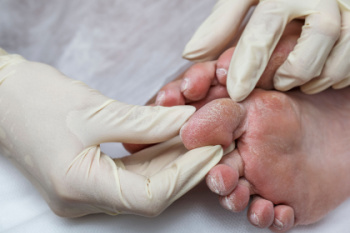
People with diabetes are at higher risk for foot infections due to poor circulation and reduced feeling in the feet. Small cuts, blisters, or sores can go unnoticed and quickly turn into serious infections if not treated. Signs of a diabetic foot infection include redness, swelling, warmth, pain, or drainage from a wound. Sometimes, there may be little pain even with a severe infection. A podiatrist will examine the foot carefully and may order tests such as X-rays or lab work to check for bone involvement or deeper tissue damage. Treatment depends on the severity of the infection and may include antibiotics, wound care, and sometimes surgical cleaning. Managing blood sugar levels and inspecting feet daily are key to preventing problems. Because diabetic foot infections can become dangerous quickly, it is suggested that you see a podiatrist at the first sign of a foot wound or infection.
Diabetic foot care is important in preventing foot ailments such as ulcers. If you are suffering from diabetes or have any other concerns about your feet, contact David Mehl, DPM from New York. Our doctor can provide the care you need to keep you pain-free and on your feet.
Diabetic Foot Care
Diabetes affects millions of people every year. The condition can damage blood vessels in many parts of the body, especially the feet. Because of this, taking care of your feet is essential if you have diabetes, and having a podiatrist help monitor your foot health is highly recommended.
The Importance of Caring for Your Feet
- Routinely inspect your feet for bruises or sores.
- Wear socks that fit your feet comfortably.
- Wear comfortable shoes that provide adequate support.
Patients with diabetes should have their doctor monitor their blood levels, as blood sugar levels play such a huge role in diabetic care. Monitoring these levels on a regular basis is highly advised.
It is always best to inform your healthcare professional of any concerns you may have regarding your feet, especially for diabetic patients. Early treatment and routine foot examinations are keys to maintaining proper health, especially because severe complications can arise if proper treatment is not applied.
If you have any questions, please feel free to contact our offices located in Forest Hills, and Brooklyn, NY . We offer the newest diagnostic and treatment technologies for all your foot care needs.
Tuesday, 15 April 2025 00:00
A Gentle Surgical Option for Severe Bunions With Foot Curve

When a bunion becomes very large and the front of the foot curves inward sharply, a condition called metatarsus adductus, walking can become painful and shoes may no longer fit comfortably. In more serious cases like this, a special type of surgery can help. Minimally invasive bunion surgery uses tiny cuts and small tools to realign the bones of the big toe and reduce the bump. This approach can also help correct the inward curve of the foot. Because the incisions are small, there is usually less swelling, less pain, and a shorter recovery time compared to traditional surgery. If you have a painful bunion along with a curved foot shape, it is suggested that you see a podiatrist to discuss if this surgical option is right for you.
Foot surgery is sometimes necessary to treat a foot ailment. To learn more, contact David Mehl, DPM of New York. Our doctor will assist you with all of your foot and ankle needs.
When Is Surgery Necessary?
Foot and ankle surgery is generally reserved for cases in which less invasive, conservative procedures have failed to alleviate the problem. Some of the cases in which surgery may be necessary include:
- Removing foot deformities like bunions and bone spurs
- Severe arthritis that has caused bone issues
- Cosmetic reconstruction
What Types of Surgery Are There?
The type of surgery you receive will depend on the nature of the problem you have. Some of the possible surgeries include:
- Bunionectomy for painful bunions
- Surgical fusion for realignment of bones
- Neuropathy decompression surgery to treat nerve damage
Benefits of Surgery
Although surgery is usually a last resort, it can provide more complete pain relief compared to non-surgical methods and may allow you to finally resume full activity.
Surgical techniques have also become increasingly sophisticated. Techniques like endoscopic surgery allow for smaller incisions and faster recovery times.
If you have any questions, please feel free to contact our offices located in Forest Hills, and Brooklyn, NY . We offer the newest diagnostic and treatment technologies for all your foot care needs.
Tuesday, 08 April 2025 00:00
Using Biomechanical Exams to Help Prevent Pressure Injuries

A thorough biomechanical evaluation plays an important role in preventing pressure injuries, especially in individuals at higher risk. This type of assessment looks at how a person moves, stands, and distributes weight through their feet and lower limbs. Imbalances, abnormal gait patterns, or joint limitations can increase pressure on certain areas, leading to skin breakdown and ulcers over time. By examining posture, range of motion, muscle strength, and foot alignment, podiatrists can identify factors that contribute to uneven pressure. Addressing these issues through customized footwear, orthotics, or targeted exercises can improve balance and relieve stress on vulnerable areas. Regular biomechanical assessments are a proactive way to protect skin integrity and prevent wounds, particularly for those with diabetes or limited mobility. If you are concerned about pressure injuries, it is suggested that you consult a podiatrist for a complete evaluation, which can help lower your risk and support better foot health.
If you have any concerns about your feet, contact David Mehl, DPM from New York. Our doctor can provide the care you need to keep you pain-free and on your feet.
Biomechanics in Podiatry
Podiatric biomechanics is a particular sector of specialty podiatry with licensed practitioners who are trained to diagnose and treat conditions affecting the foot, ankle and lower leg. Biomechanics deals with the forces that act against the body, causing an interference with the biological structures. It focuses on the movement of the ankle, the foot and the forces that interact with them.
A History of Biomechanics
- Biomechanics dates back to the BC era in Egypt where evidence of professional foot care has been recorded.
- In 1974, biomechanics gained a higher profile from the studies of Merton Root, who claimed that by changing or controlling the forces between the ankle and the foot, corrections or conditions could be implemented to gain strength and coordination in the area.
Modern technological improvements are based on past theories and therapeutic processes that provide a better understanding of podiatric concepts for biomechanics. Computers can provide accurate information about the forces and patterns of the feet and lower legs.
Understanding biomechanics of the feet can help improve and eliminate pain, stopping further stress to the foot.
If you have any questions please feel free to contact our offices located in Forest Hills, and Brooklyn, NY . We offer the newest diagnostic and treatment technologies for all your foot and ankle needs.
Tuesday, 01 April 2025 00:00
Managing Foot Issues in Athletes

Foot and ankle injuries are frequent in athletes, whether from high-impact sports like basketball or repetitive activities like running. Sprains, fractures, tendonitis, and overuse injuries can sideline even the most dedicated athletes, if not properly managed. Effective treatment begins with an accurate diagnosis. A detailed assessment of how the injury occurred, along with a physical exam and imaging when necessary, helps identify the extent of the damage. Early intervention is key. Rest, compression, and elevation are often the first steps taken to reduce pain and swelling. Supportive devices like braces or orthotics may be recommended to protect the injured area and prevent further damage. Targeted exercises focus on restoring strength, flexibility, and balance to the foot and ankle. A gradual return to sport is important to avoid setbacks. To prevent future injuries, athletes may need to adjust footwear, training routines, or technique. If you have an active lifestyle and have incurred a foot or ankle injury, it is suggested that you schedule an appointment with a podiatrist for a comprehensive evaluation and personalized treatment plan.
Sports related foot and ankle injuries require proper treatment before players can go back to their regular routines. For more information, contact David Mehl, DPM of New York. Our doctor can provide the care you need to keep you pain-free and on your feet.
Sports Related Foot and Ankle Injuries
Foot and ankle injuries are a common occurrence when it comes to athletes of any sport. While many athletes dismiss the initial aches and pains, the truth is that ignoring potential foot and ankle injuries can lead to serious problems. As athletes continue to place pressure and strain the area further, a mild injury can turn into something as serious as a rupture and may lead to a permanent disability. There are many factors that contribute to sports related foot and ankle injuries, which include failure to warm up properly, not providing support or wearing bad footwear. Common injuries and conditions athletes face, including:
- Plantar Fasciitis
- Achilles Tendinitis
- Achilles Tendon Rupture
- Ankle Sprains
Sports related injuries are commonly treated using the RICE method. This includes rest, applying ice to the injured area, compression and elevating the ankle. More serious sprains and injuries may require surgery, which could include arthroscopic and reconstructive surgery. Rehabilitation and therapy may also be required in order to get any recovering athlete to become fully functional again. Any unusual aches and pains an athlete sustains must be evaluated by a licensed, reputable medical professional.
If you have any questions please contact our offices located in Forest Hills, and Brooklyn, NY . We offer the newest diagnostic and treatment technologies for all your foot and ankle needs.
Blog Archives
- February 2026
- January 2026
- December 2025
- November 2025
- October 2025
- September 2025
- August 2025
- July 2025
- June 2025
- May 2025
- April 2025
- March 2025
- February 2025
- January 2025
- December 2024
- November 2024
- October 2024
- September 2024
- August 2024
- July 2024
- June 2024
- May 2024
- April 2024
- March 2024
- February 2024
- January 2024
- December 2023
- November 2023
- October 2023
- September 2023
- August 2023
- July 2023
- June 2023
- May 2023
- April 2023
- March 2023
- February 2023
- January 2023
