Connect With Us
Blog
Items filtered by date: October 2023
Tuesday, 31 October 2023 00:00
Running Injuries That Affect the Feet and Ankles
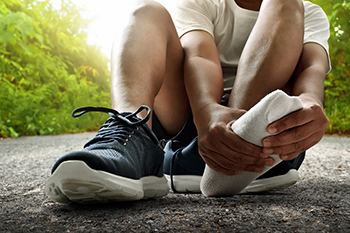
Running is a fantastic way to stay fit, boost cardiovascular health, and enjoy the great outdoors. Despite its many benefits, running can also take a toll on your feet and ankles. More than 80 percent of running injuries are attributed to repetitive stress, making it important for runners to be aware of the potential pitfalls and methods to prevent and address them. The repetitive impact of every foot strike during your runs can put significant stress on your muscles, joints, and connective tissues, increasing the risk of injury. Foot injuries are a significant concern for runners. Plantar fasciitis, metatarsalgia, and stress fractures are some of the more common conditions that can affect the feet. These injuries can cause intense pain, particularly during the push off phase of running. Ankles are susceptible to sprains, strains, and ligament injuries in runners. Running on uneven terrain and wearing improper footwear can contribute to these injuries, which may result in instability and limited mobility. If you experience pain or discomfort in the feet or ankles from your running, it is suggested that you make an appointment with a podiatrist for an exam, diagnosis, and tips for preventing injuries.
Exercising your feet regularly with the proper foot wear is a great way to prevent injuries. If you have any concerns about your feet, contact David Mehl, DPM of New York. Our doctor will treat your foot and ankle needs.
How to Prevent Running Injuries
Many common running injuries are caused by overuse and overtraining. When the back of the kneecap starts wearing out and starts causing pain in your knee, this is commonly referred to as runner’s knee. Runner’s knee is a decrease in strength in your quadriceps and can occur if you’re not wearing properly fitted or supporting shoes. To prevent runner’s knee, focusing on hip strengthening is a good idea, as well as strengthening your quads to keep the kneecaps aligned.
What Are Some Causes of Running Injuries?
- One cause of a common running injury is called iliotibial band syndrome.
- Plantar fasciitis is also another common injury.
- Stress fractures can occur from overtraining, lack of calcium, or even your running style.
Best Ways to Prevent Running Injuries
- Wear footwear that fits properly and suits your running needs.
- Running shoes are the only protective gear that runners have to safeguard them from injury.
- Make a training schedule. Adding strengthening exercises as well as regular stretching can help keep you strong and limber and can lessen the possibility of injuries.
- Stretching keeps muscles limber; this will help you gain better flexibility.
If you have any questions, please feel free to contact our offices located in Forest Hills, and Brooklyn, NY . We offer the newest diagnostic and treatment technologies for all your foot care needs.
Tuesday, 24 October 2023 00:00
Why You Need Different Shoes for Walking and Running
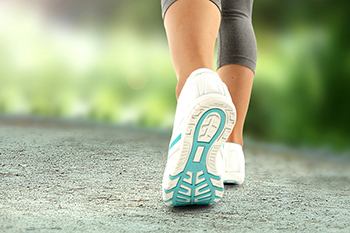
There are distinct differences between walking and running in terms of mechanics and impact on the body. These differences extend to the footwear required for each activity. Although it might be tempting to use the same pair of sneakers for both, it's advisable to have dedicated shoes for running and walking. The key differences lie in factors like foot strike, impact, and biomechanics. For example, generally, a runner's foot strikes from the heel to the midfoot or forefoot, and walkers predominantly land heel-first. This divergence creates distinct wear patterns in shoes, affecting their fit and performance. Running involves high-impact forces, with each landing absorbing several times the body's weight. In contrast, walking maintains continuous contact with the ground, resulting in lower impact. These differences necessitate varying levels of cushioning and support in the shoes. Arch support, flexibility, heel drop, and other factors also differ between running and walking shoes. If you engage in running or walking for exercise, it is suggested that you make an appointment with a podiatrist to discuss shoe alternatives that will enhance your comfort, reduce the risk of injuries, and optimize your performance for each activity.
For more information about walking shoes versus running shoes, consult with David Mehl, DPM from New York. Our doctor can measure your feet to determine what your needs are and help you find an appropriate pair of footwear.
Foot Health: The Differences between Walking & Running Shoes
There are great ways to stay in shape: running and walking are two great exercises to a healthy lifestyle. It is important to know that running shoes and walking shoes are not interchangeable. There is a key difference on how the feet hit the ground when someone is running or walking. This is why one should be aware that a shoe is designed differently for each activity.
You may be asking yourself what the real differences are between walking and running shoes and the answers may shock you.
Differences
Walking doesn’t involve as much stress or impact on the feet as running does. However, this doesn’t mean that you should be any less prepared. When you’re walking, you land on your heels and have your foot roll forward. This rolling motion requires additional support to the feet.
Flexibility – Walking shoes are designed to have soft, flexible soles. This allows the walker to push off easily with each step.
If you have any questions, please feel free to contact our offices located in Forest Hills, and Brooklyn, NY . We offer the newest diagnostic and treatment technologies for all your foot care needs.
Tuesday, 17 October 2023 00:00
Identifying Symptoms and Root Causes of Athlete’s Foot

Athlete's foot, a common fungal infection, can cause discomfort and frustration for those affected. The symptoms often include itching, burning, and stinging sensations in the affected areas, generally between the toes or on the soles of the feet. Skin peeling, blistering, and dryness may also occur. This condition is primarily caused by various types of fungi, thriving in warm, damp environments such as locker rooms, swimming pools, and shared showers. Direct contact with the fungi through contaminated surfaces or by sharing shoes, towels, or socks can facilitate its spread. Additionally, individuals with sweaty feet or those who wear tight, closed toe shoes for extended periods are at higher risk. Maintaining proper foot hygiene, wearing breathable footwear, and keeping feet dry can aid in prevention and mitigate the symptoms of athlete's foot. Athlete’s foot is treated by a podiatrist, and it is suggested that you visit this type of doctor who can effectively treat this condition.
Athlete’s Foot
Athlete’s foot is often an uncomfortable condition to experience. Thankfully, podiatrists specialize in treating athlete’s foot and offer the best treatment options. If you have any questions about athlete’s foot, consult with David Mehl, DPM from New York. Our doctor will assess your condition and provide you with quality treatment.
What Is Athlete’s Foot?
Tinea pedis, more commonly known as athlete’s foot, is a non-serious and common fungal infection of the foot. Athlete’s foot is contagious and can be contracted by touching someone who has it or infected surfaces. The most common places contaminated by it are public showers, locker rooms, and swimming pools. Once contracted, it grows on feet that are left inside moist, dark, and warm shoes and socks.
Prevention
The most effective ways to prevent athlete’s foot include:
- Thoroughly washing and drying feet
- Avoid going barefoot in locker rooms and public showers
- Using shower shoes in public showers
- Wearing socks that allow the feet to breathe
- Changing socks and shoes frequently if you sweat a lot
Symptoms
Athlete’s foot initially occurs as a rash between the toes. However, if left undiagnosed, it can spread to the sides and bottom of the feet, toenails, and if touched by hand, the hands themselves. Symptoms include:
- Redness
- Burning
- Itching
- Scaly and peeling skin
Diagnosis and Treatment
Diagnosis is quick and easy. Skin samples will be taken and either viewed under a microscope or sent to a lab for testing. Sometimes, a podiatrist can diagnose it based on simply looking at it. Once confirmed, treatment options include oral and topical antifungal medications.
If you have any questions, please feel free to contact our offices located in Forest Hills, and Brooklyn, NY . We offer the newest diagnostic and treatment technologies for all your foot care needs.
Tuesday, 10 October 2023 00:00
Fall Proof Your Home to Create a Safe Haven
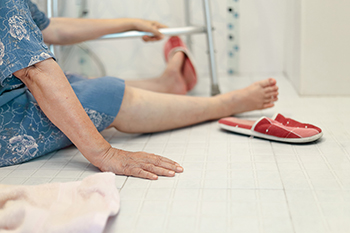
As you age, ensuring your home is safe becomes increasingly important to prevent falls and injuries. Fall proofing your living space can significantly reduce the risk of accidents. This can begin by decluttering walkways and removing any potential tripping hazards, such as loose rugs or cords. Installing grab bars in bathrooms and railings on stairs can help to provide support. Adequate lighting throughout your home is essential, and well lit areas can help you see potential obstacles more clearly. Keep frequently used items within easy reach to prevent unnecessary stretching or bending. Consider non-slip mats in the bathroom and kitchen to avoid slipping on wet surfaces. Regularly inspect and maintain the condition of your floors, ensuring they are even and free of loose tiles or floorboards. If you would like to learn about how fall prevention techniques can protect the feet, it is suggested that you consult a podiatrist.
Preventing falls among the elderly is very important. If you are older and have fallen or fear that you are prone to falling, consult with David Mehl, DPM from New York. Our doctor will assess your condition and provide you with quality advice and care.
Every 11 seconds, an elderly American is being treated in an emergency room for a fall related injury. Falls are the leading cause of head and hip injuries for those 65 and older. Due to decreases in strength, balance, senses, and lack of awareness, elderly persons are very susceptible to falling. Thankfully, there are a number of things older persons can do to prevent falls.
How to Prevent Falls
Some effective methods that older persons can do to prevent falls include:
- Enrolling in strength and balance exercise program to increase balance and strength
- Periodically having your sight and hearing checked
- Discuss any medications you have with a doctor to see if it increases the risk of falling
- Clearing the house of falling hazards and installing devices like grab bars and railings
- Utilizing a walker or cane
- Wearing shoes that provide good support and cushioning
- Talking to family members about falling and increasing awareness
Falling can be a traumatic and embarrassing experience for elderly persons; this can make them less willing to leave the house, and less willing to talk to someone about their fears of falling. Doing such things, however, will increase the likelihood of tripping or losing one’s balance. Knowing the causes of falling and how to prevent them is the best way to mitigate the risk of serious injury.
If you have any questions, please feel free to contact our offices located in Forest Hills, and Brooklyn, NY . We offer the newest diagnostic and treatment technologies for all your foot care needs.
Tuesday, 03 October 2023 00:00
Custom Orthotics and Foot Health
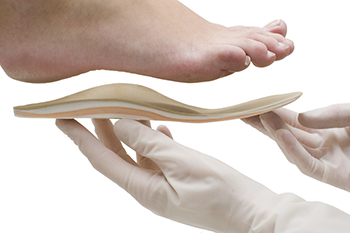
Orthotics are specialized shoe inserts, or insoles, designed to provide support, cushioning, and alignment to the feet. These custom-made devices are prescribed to individuals for various reasons, aiming to address a range of foot-related issues and improve overall foot health. One of the primary reasons to wear orthotics is to alleviate pain and discomfort associated with conditions such as plantar fasciitis, flat feet, or bunions. These devices can help distribute pressure more evenly across the foot, reducing strain and preventing further damage. Orthotics can also improve alignment, correct gait abnormalities, and support the arches. This can be beneficial for individuals with irregular foot structures or those who engage in high impact activities. Additionally, orthotics can aid in injury prevention by promoting proper biomechanics and reducing stress on the feet, knees, hips, and lower back. Orthotics can be a valuable tool for maintaining foot health, preventing injuries, and enhancing overall comfort and mobility. If you would like more information about the benefits of custom orthotics, it is suggested that you schedule an appointment with a podiatrist.
If you are having discomfort in your feet and would like to try orthotics, contact David Mehl, DPM from New York. Our doctor can provide the care you need to keep you pain-free and on your feet.
What Are Orthotics?
Orthotics are inserts you can place into your shoes to help with a variety of foot problems such as flat feet or foot pain. Orthotics provide relief and comfort for minor foot and heel pain but can’t correct serious biomechanical problems in your feet.
Over-the-Counter Inserts
Orthotics come in a wide variety of over-the-counter inserts that are used to treat foot pain, heel pain, and minor problems. For example, arch supports can be inserted into your shoes to help correct overarched or flat feet, while gel insoles are often used because they provide comfort and relief from foot and heel pain by alleviating pressure.
Prescription Orthotics
If over-the-counter inserts don’t work for you or if you have a more severe foot concern, it is possible to have your podiatrist prescribe custom orthotics. These high-quality inserts are designed to treat problems such as abnormal motion, plantar fasciitis, and severe forms of heel pain. They can even be used to help patients suffering from diabetes by treating foot ulcers and painful calluses and are usually molded to your feet individually, which allows them to provide full support and comfort.
If you are experiencing minor to severe foot or heel pain, it’s recommended to speak with your podiatrist about the possibilities of using orthotics. A podiatrist can determine which type of orthotic is right for you and allow you to take the first steps towards being pain-free.
If you have any questions, please feel free to contact our offices located in Forest Hills, and Brooklyn, NY . We offer the newest diagnostic and treatment technologies for all your foot care needs.
Blog Archives
- February 2026
- January 2026
- December 2025
- November 2025
- October 2025
- September 2025
- August 2025
- July 2025
- June 2025
- May 2025
- April 2025
- March 2025
- February 2025
- January 2025
- December 2024
- November 2024
- October 2024
- September 2024
- August 2024
- July 2024
- June 2024
- May 2024
- April 2024
- March 2024
- February 2024
- January 2024
- December 2023
- November 2023
- October 2023
- September 2023
- August 2023
- July 2023
- June 2023
- May 2023
- April 2023
- March 2023
- February 2023
- January 2023
