Connect With Us
Blog
Items filtered by date: April 2024
Tuesday, 30 April 2024 00:00
Foot Care Tips for Diabetic Paients

Diabetes necessitates meticulous foot care to prevent potential and often severe complications. Prolonged high blood sugar levels can harm blood vessels and nerves in the legs and feet, leading to reduced sensation and inefficient circulation. Consequently, even minor injuries can escalate into severe issues, like infections, ulcers, or amputations. Podiatrists play an essential role in diabetic foot care, offering comprehensive assessments and personalized management plans. They conduct regular foot exams to monitor signs of nerve damage, foot deformities, or ulcers while providing expert guidance on proper hygiene, nail care, and footwear selection. Podiatrists also address concerns about foot health, emphasizing the importance of daily foot checks and prompt treatment for any abnormalities. They can assist in managing foot complications with specialized treatments to promote healing and prevent further deterioration in the lower legs and feet. Collaborating with patients, podiatrists develop personalized strategies for foot protection and risk reduction, stressing the significance of avoiding barefoot walking and quitting smoking to improve circulation. If you have foot problems caused by diabetes, it is suggested that you add a podiatrist to your medical team for regular checkups and treatment.
Diabetic foot care is important in preventing foot ailments such as ulcers. If you are suffering from diabetes or have any other concerns about your feet, contact David Mehl, DPM from New York. Our doctor can provide the care you need to keep you pain-free and on your feet.
Diabetic Foot Care
Diabetes affects millions of people every year. The condition can damage blood vessels in many parts of the body, especially the feet. Because of this, taking care of your feet is essential if you have diabetes, and having a podiatrist help monitor your foot health is highly recommended.
The Importance of Caring for Your Feet
- Routinely inspect your feet for bruises or sores.
- Wear socks that fit your feet comfortably.
- Wear comfortable shoes that provide adequate support.
Patients with diabetes should have their doctor monitor their blood levels, as blood sugar levels play such a huge role in diabetic care. Monitoring these levels on a regular basis is highly advised.
It is always best to inform your healthcare professional of any concerns you may have regarding your feet, especially for diabetic patients. Early treatment and routine foot examinations are keys to maintaining proper health, especially because severe complications can arise if proper treatment is not applied.
If you have any questions, please feel free to contact our offices located in Forest Hills, and Brooklyn, NY . We offer the newest diagnostic and treatment technologies for all your foot care needs.
Tuesday, 23 April 2024 00:00
Foot Pain From Sciatica

Sciatica is a condition characterized by pain that radiates along the sciatic nerve, which runs from the lower back down through the buttocks and into each leg. When the sciatic nerve becomes compressed or irritated, it can lead to various symptoms, including sharp, shooting pain, tingling, numbness, or weakness in the lower back, buttocks, legs, and feet. In some cases, sciatica can also cause toe pain, often described as a burning sensation or electric shock-like discomfort. This toe pain may result from nerve compression affecting the branches of the sciatic nerve that innervate the feet and toes. A podiatrist can play a vital role in managing sciatica-related foot pain by conducting a comprehensive evaluation to identify contributing factors, providing treatments to alleviate symptoms such as orthotic devices, and coordinating care with other healthcare providers as needed for optimal pain management and functional improvement.
Foot Pain
Foot pain can be extremely painful and debilitating. If you have a foot pain, consult with David Mehl, DPM from New York. Our doctor will assess your condition and provide you with quality foot and ankle treatment.
Causes
Foot pain is a very broad condition that could be caused by one or more ailments. The most common include:
- Bunions
- Hammertoes
- Plantar Fasciitis
- Bone Spurs
- Corns
- Tarsal Tunnel Syndrome
- Ingrown Toenails
- Arthritis (such as Gout, Rheumatoid, and Osteoarthritis)
- Flat Feet
- Injury (from stress fractures, broken toe, foot, ankle, Achilles tendon ruptures, and sprains)
- And more
Diagnosis
To figure out the cause of foot pain, podiatrists utilize several different methods. This can range from simple visual inspections and sensation tests to X-rays and MRI scans. Prior medical history, family medical history, and any recent physical traumatic events will all be taken into consideration for a proper diagnosis.
Treatment
Treatment depends upon the cause of the foot pain. Whether it is resting, staying off the foot, or having surgery; podiatrists have a number of treatment options available for foot pain.
If you have any questions, please feel free to contact our offices located in Forest Hills, and Brooklyn, NY . We offer the newest diagnostic and treatment technologies for all your foot care needs.
Tuesday, 16 April 2024 00:00
Causes of Swelling in the Feet
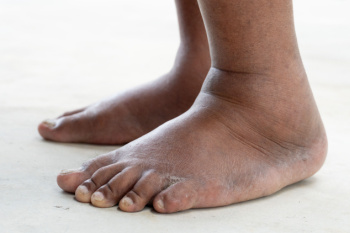
Swollen feet, or edema, can arise from various factors, including prolonged immobility, excessive salt intake, pregnancy, obesity, and certain medications. Underlying health conditions, such as congestive heart failure, kidney failure, and venous insufficiency can also contribute to edema in the feet. Prolonged sitting or standing can impede proper circulation, leading to fluid retention in the lower extremities. High salt consumption can add to this by causing the body to retain water. Pregnancy puts additional pressure on the veins in the legs, leading to fluid accumulation. Excess body weight can strain the circulatory system, also increasing the risk of edema. Swollen feet can be a side effect of taking certain medications, particularly those that dilate blood vessels or increase fluid retention. If you notice that your feet and ankles are persistently swollen, it is suggested that you schedule an appointment with a podiatrist for a full exam and diagnosis.
Swollen feet can be a sign of an underlying condition. If you have any concerns, contact David Mehl, DPM of New York. Our doctor can provide the care you need to keep you pain-free and on your feet.
Swollen feet are a common ailment among pregnant women and people who stand or sit for extended periods. Aging may increase the possibility of swollen feet and patients who are obese often notice when their feet are swelling too. There may be medical reasons why swollen feet occur:
- Phlebitis - A condition that causes the veins to become inflamed and can also cause leg pain.
- Liver disease - This may lead to low blood levels of albumin which is a protein. This can cause fluid in the blood to pass into the tissues and several areas of the body can become swollen.
- Heart failure - When the heart doesn’t pump properly the blood that is normally pumped back to the heart can pool in the veins of the legs causing swollen feet.
- Kidney disease - One of the main functions of the kidneys is releasing excess fluid in the body. This type of condition can make it difficult for the kidneys to function properly, and as a result the feet may become swollen.
- Deep-vein thrombosis (DVT)- This is a serious condition where blood clots form in the veins of the legs. They can block the return of blood from the legs to the heart which may cause the feet to swell. It is important to be treated by a podiatrist if this condition is present.
Swollen feet can also be caused by bone and tendon conditions, including fractures, arthritis, and tendinitis. Additionally, there may be skin and toenail conditions and an infection may cause the feet to swell. Patients who take medicine to treat high blood pressure may be prone to getting swollen feet.
Many patients elevate their feet to help relieve the swelling and this is generally a temporary remedy. When a podiatrist is consulted the reason behind the swelling can be uncovered and subsequently treated.
If you have any questions please contact our offices located in Forest Hills, and Brooklyn, NY . We offer the newest diagnostic and treatment technologies for all your foot and ankle needs.
Tuesday, 09 April 2024 00:00
Understanding and Treating Toenail Fungus
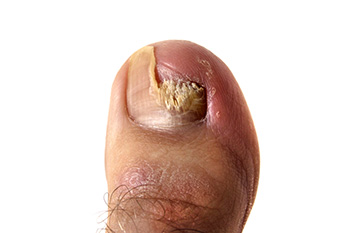
Toenail fungus, also known as onychomycosis, or unguium, is a common fungal infection that affects the toenails, often leading to discoloration, thickening, and crumbling of the nails. The condition is caused by various types of fungi, primarily dermatophytes, which thrive in warm, moist environments such as sweaty shoes or communal bathing areas. Risk factors for toenail fungus include poor hygiene, wearing tight-fitting shoes, walking barefoot in public places, and having a weakened immune system. Diagnosis typically involves a physical examination and may include nail scrapings or clippings for laboratory testing. Podiatrists can offer various treatments for toenail fungus, including topical antifungal medications, oral antifungal drugs, laser therapy, and surgical nail removal, in severe cases. If you have signs of toenail fungus, it is suggested that you schedule an appointment with a podiatrist for proper treatment.
For more information about treatment, contact David Mehl, DPM of New York. Our doctor can provide the care you need to keep you pain-free and on your feet.
Toenail Fungus Treatment
Toenail fungus is a condition that affects many people and can be especially hard to get rid of. Fortunately, there are several methods to go about treating and avoiding it.
Antifungals & Deterrence
Oral antifungal medicine has been shown to be effective in many cases. It is important to consult with a podiatrist to determine the proper regiment for you, or potentially explore other options.
Applying foot powder on the feet and shoes helps keep the feet free of moisture and sweat.
Sandals or open toed shoes – Wearing these will allow air movement and help keep feet dry. They also expose your feet to light, which fungus cannot tolerate. Socks with moisture wicking material also help as well.
If you have any questions please contact our offices located in Forest Hills, and Brooklyn, NY . We offer the newest diagnostic and treatment technologies for all your foot and ankle needs.
Tuesday, 02 April 2024 00:00
Symptoms of Foot and Ankle Osteoarthritis

Osteoarthritis is a degenerative joint disease caused by the breakdown of cartilage in the joints. It commonly affects the foot and ankle, causing significant discomfort and mobility issues. Symptoms of foot and ankle osteoarthritis often include pain, stiffness, swelling, and limited range of motion. These symptoms may worsen over time. Contributing factors to the development of osteoarthritis consist of joint wear and tear, previous sprains or fractures, and abnormal foot structure. If you are experiencing persistent foot pain or discomfort, seeking help from a podiatrist is essential. This foot doctor can conduct a thorough evaluation, including a review of your medical history, physical examination, and possibly imaging studies like X-rays or MRI scans to accurately diagnose foot and ankle osteoarthritis. If you have developed osteoarthritis in the feet or ankles, it is suggested that you meet with a podiatrist for an exam and treatment.
Arthritis can be a difficult condition to live with. If you are seeking treatment, contact David Mehl, DPM from New York. Our doctor can provide the care you need to keep you pain-free and on your feet.
Arthritic Foot Care
Arthritis is a joint disorder that involves the inflammation of different joints in your body, such as those in your feet. Arthritis is often caused by a degenerative joint disease and causes mild to severe pain in all affected areas. In addition to this, swelling and stiffness in the affected joints can also be a common symptom of arthritis.
In many cases, wearing ill-fitting shoes can worsen the effects and pain of arthritis. Wearing shoes that have a lower heel and extra room can help your feet feel more comfortable. In cases of rheumatoid arthritis, the arch in your foot may become problematic. Buying shoes with proper arch support that contour to your feet can help immensely.
Alleviating Arthritic Pain
- Exercises that stretch the foot can prevent further pain and injury and increase mobility
- Most of the pain can be alleviated with anti-inflammatory drugs, heat, and topical medications
- Massages can help temporarily alleviate pain.
It is best to see your doctor for the treatment that is right for your needs and symptoms. Conditions vary, and a podiatrist can help you determine the right method of care for your feet.
If you have any questions please feel free to contact our offices located in Forest Hills, and Brooklyn, NY . We offer the newest diagnostic tools and technology to treat your foot and ankle needs.
Blog Archives
- February 2026
- January 2026
- December 2025
- November 2025
- October 2025
- September 2025
- August 2025
- July 2025
- June 2025
- May 2025
- April 2025
- March 2025
- February 2025
- January 2025
- December 2024
- November 2024
- October 2024
- September 2024
- August 2024
- July 2024
- June 2024
- May 2024
- April 2024
- March 2024
- February 2024
- January 2024
- December 2023
- November 2023
- October 2023
- September 2023
- August 2023
- July 2023
- June 2023
- May 2023
- April 2023
- March 2023
- February 2023
- January 2023
