Connect With Us
Blog
Items filtered by date: August 2023
Tuesday, 29 August 2023 00:00
Is It Safe to Run During Pregnancy?

Staying active during pregnancy is vital, and running can be a great option for expectant mothers who were regular runners before conception. However, safety is paramount. It is beneficial to consult a medical professional before undertaking this type of exercise. In many cases, you can continue running if you experience good pre-pregnancy health and do not have complications. Secondly, it is helpful to choose proper footwear that supports your changing feet and opt for breathable, loose-fitting attire. Third, run with caution, especially as your balance changes, and run with a buddy. Avoid hazardous trails and prioritize pavement. It may be wise to refrain from running in particularly hot and humid conditions. Most importantly, slow down or stop if you feel pain, exhaustion, or an abnormal heart rate, and always consult a doctor if you experience dizziness, chest pain, contractions, or bleeding. Drink water regularly and monitor urine color. If you have questions about the wisdom of running during pregnancy, it is suggested that you consult a podiatrist for consultation and guidance.
Pregnant women with swollen feet can be treated with a variety of different methods that are readily available. For more information about other cures for swollen feet during pregnancy, consult with David Mehl, DPM from New York. Our doctor will attend to all of your foot and ankle needs.
What Foot Problems Can Arise During Pregnancy?
One problem that can occur is overpronation, which occurs when the arch of the foot flattens and tends to roll inward. This can cause pain and discomfort in your heels while you’re walking or even just standing up, trying to support your baby.
Another problem is edema, or swelling in the extremities. This often affects the feet during pregnancy but tends to occur in the later stages.
How Can I Keep My Feet Healthy During Pregnancy?
- Wearing orthotics can provide extra support for the feet and help distribute weight evenly
- Minimize the amount of time spent walking barefoot
- Wear shoes with good arch support
- Wear shoes that allow for good circulation to the feet
- Elevate feet if you experience swelling
- Massage your feet
- Get regular, light exercise, such as walking, to promote blood circulation to the feet
If you have any questions, please feel free to contact our offices located in Forest Hills, and Brooklyn, NY . We offer the newest diagnostic and treatment technologies for all your foot care needs.
Tuesday, 22 August 2023 00:00
Joint Replacement for Big Toe Arthritis
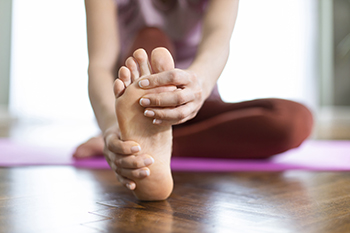
The first metatarsophalangeal, or MTP, joint replacement is also known as great toe joint replacement or great toe arthroplasty. This procedure is conducted to address arthritis in the main joint of the big toe. This joint generally experiences a lot of stress from activities like walking, running, and wearing high heels. Arthritis in this joint can cause pain and stiffness, especially with a condition called hallux rigidus. The traditional treatment for this problem is joint fusion, which eliminates pain but limits movement. Joint replacement offers an alternative, but it has been less successful than replacements in larger joints due to the high force placed on the toe. Different types of implants are available, including caps for the metatarsal head, full joint resurfacing, and newer rubber bumper implants. Recovery varies based on implant type, with a typical six-week rest period. If you have arthritis in your big toe, it is suggested that you make an appointment with a podiatrist who can see if you qualify for joint replacement and educate you on the process.
In certain cases, in which the patient suffers from extreme pain or damage in a joint, joint replacement surgery may be deemed useful. If you have constant pain in a foot joint, consult with David Mehl, DPM from New York. Our doctor will assess your condition and provide you with quality foot and ankle treatment.
What Is Joint Replacement Surgery?
Over time, joints wear down; this can be exacerbated by diseases and conditions. Joint replacement surgery, also known as arthroplasty, is when a damaged joint is surgically removed and replaced with a prosthesis. Prostheses, which can be made of ceramic, plastic, or metal, act as joints in lieu of an actual joint. One of the most prevalent causes for joint replacement is arthritis.
Arthritis in the Foot
Arthritis can occur in any joint in the body, including in the feet. Common types of arthritis in the foot are osteoarthritis, rheumatoid arthritis, and gout. The big toe is usually where arthritis occurs in the foot; this is known as hallux rigidus.
Joint Replacement Surgery in the Foot
The most common form of joint replacement in the foot is a first metatarsophalangeal (MTP) joint placement. MTP joint replacement surgery is designed to treat hallux rigidus. Surgery is not intensive, and recovery occurs within one to two months after the procedure has been done. Overall, joint replacement surgery is a safe and effective way to treat pain in the joint of the foot.
If you have any questions, please feel free to contact our offices located in Forest Hills, and Brooklyn, NY . We offer the newest diagnostic and treatment technologies for all your foot care needs.
Tuesday, 15 August 2023 00:00
Foot Injuries Linked to Playing Pickleball
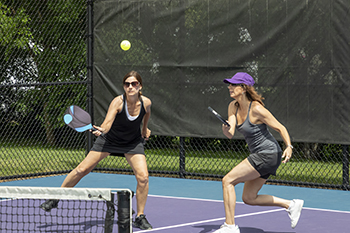
Pickleball, the popular and fast-paced sport, has been gaining enthusiasts worldwide. While it can be an enjoyable activity, players must be cautious about potential foot injuries that can arise while playing. The quick lateral movements, sudden stops, and repetitive motions can put a strain on the feet, leading to various injuries. Ankle sprains are common due to side-to-side movements, while plantar fasciitis can result from the constant impact on the feet. Toe injuries, such as stubbed toes or jammed toenails, can also occur during intense gameplay. To protect the feet, it is beneficial for players to wear proper footwear with ample support and cushioning. Stretching before and after playing can help prevent muscle strains. Being mindful of foot positioning and using proper footwork techniques can significantly reduce the risk of foot injuries and ensure a more enjoyable pickleball experience. If you have foot pain from playing pickleball, it is suggested that you consult a podiatrist who can provide you with correct treatment methods, in addition to prevention techniques.
Ankle and foot injuries are common among athletes and in many sports. They can be caused by several problems and may be potentially serious. If you are feeling pain or think you were injured in a sporting event or when exercising, consult with David Mehl, DPM from New York. Our doctor will assess your condition and provide you with quality foot and ankle treatment.
Common Injuries
The most common injuries that occur in sporting activities include:
- Achilles Tendonitis
- Achilles Tendon Rupture
- Ankle Sprains
- Broken Foot
- Plantar Fasciitis
- Stress Fractures
- Turf Toe
Symptoms
Symptoms vary depending upon the injury and in some cases, there may be no symptoms at all. However, in most cases, some form of symptom is experienced. Pain, aching, burning, bruising, tenderness, tightness or stiffness, sensation loss, difficulty moving, and swelling are the most common symptoms.
Treatment
Just as symptoms vary depending upon the injury, so do treatment options. A common treatment method is known as the RICE method. This method involves rest, applying ice, compression and elevating the afflicted foot or ankle. If the injury appears to be more serious, surgery might be required, such as arthroscopic or reconstructive surgery. Lastly, rehabilitation or therapy might be needed to gain full functionality in the afflicted area. Any discomfort experienced by an athlete must be evaluated by a licensed, reputable medical professional.
If you have any questions please contact our offices located in Forest Hills, and Brooklyn, NY . We offer the newest diagnostic and treatment technologies for all your foot and ankle needs.
Tuesday, 08 August 2023 00:00
Minor Wound Care Methods
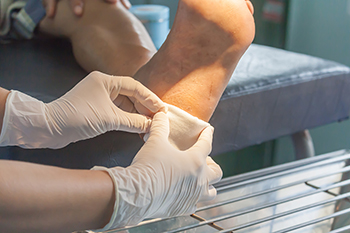
A wound is defined as damage to the skin’s surface. Wounds occur when there is a break in the skin due to a cut or scrape. A wound can also be caused by an animal bite and bedridden patients may develop bed sores. For mild wounds, proper wound care can begin with washing the hands, followed by holding a clean cloth on the affected area to help stop the bleeding. It is beneficial to rinse the wound with water and remove any dirt that has lodged inside of it. When the wound is dried, a bandage or gauze can be used to cover it. It is beneficial to change the dressing daily which may help to keep it free of bacteria that may accumulate from daily activities. If you have a wound on your foot, it is strongly suggested that you speak with a podiatrist who can treat and monitor the severity of the wound.
Wound care is an important part in dealing with diabetes. If you have diabetes and a foot wound or would like more information about wound care for diabetics, consult with David Mehl, DPM from New York. Our doctor will assess your condition and provide you with quality foot and ankle treatment.
What Is Wound Care?
Wound care is the practice of taking proper care of a wound. This can range from the smallest to the largest of wounds. While everyone can benefit from proper wound care, it is much more important for diabetics. Diabetics often suffer from poor blood circulation which causes wounds to heal much slower than they would in a non-diabetic.
What Is the Importance of Wound Care?
While it may not seem apparent with small ulcers on the foot, for diabetics, any size ulcer can become infected. Diabetics often also suffer from neuropathy, or nerve loss. This means they might not even feel when they have an ulcer on their foot. If the wound becomes severely infected, amputation may be necessary. Therefore, it is of the upmost importance to properly care for any and all foot wounds.
How to Care for Wounds
The best way to care for foot wounds is to prevent them. For diabetics, this means daily inspections of the feet for any signs of abnormalities or ulcers. It is also recommended to see a podiatrist several times a year for a foot inspection. If you do have an ulcer, run the wound under water to clear dirt from the wound; then apply antibiotic ointment to the wound and cover with a bandage. Bandages should be changed daily and keeping pressure off the wound is smart. It is advised to see a podiatrist, who can keep an eye on it.
If you have any questions please contact our offices located in Forest Hills, and Brooklyn, NY . We offer the newest diagnostic and treatment technologies for all your foot and ankle needs.
Tuesday, 01 August 2023 00:00
Falling May Be Prevented

The percentage of people who are 65 years of age or older that fall every year is staggering. Research has shown approximately 20 percent of these falls can result in a serious injury, including broken ankles and toes. Many injuries can be avoided when effective fall prevention methods are implemented. These can include improving lighting in the household, and removing worn rugs from the living area. Many people choose to install grab bars in the shower and toilet area, in addition to using a non-slip bath mat. It is beneficial to have routine physical and eye examinations performed, and this is helpful in monitoring existing eyeglasses and medications. The body can become stronger with regular stretches practiced, which can be successful in preventing falling. If you would like more information about effective fall prevention techniques, it is suggested that you consult with a podiatrist who can provide you with the knowledge you are seeking.
Preventing falls among the elderly is very important. If you are older and have fallen or fear that you are prone to falling, consult with David Mehl, DPM from New York. Our doctor will assess your condition and provide you with quality advice and care.
Every 11 seconds, an elderly American is being treated in an emergency room for a fall related injury. Falls are the leading cause of head and hip injuries for those 65 and older. Due to decreases in strength, balance, senses, and lack of awareness, elderly persons are very susceptible to falling. Thankfully, there are a number of things older persons can do to prevent falls.
How to Prevent Falls
Some effective methods that older persons can do to prevent falls include:
- Enrolling in strength and balance exercise program to increase balance and strength
- Periodically having your sight and hearing checked
- Discuss any medications you have with a doctor to see if it increases the risk of falling
- Clearing the house of falling hazards and installing devices like grab bars and railings
- Utilizing a walker or cane
- Wearing shoes that provide good support and cushioning
- Talking to family members about falling and increasing awareness
Falling can be a traumatic and embarrassing experience for elderly persons; this can make them less willing to leave the house, and less willing to talk to someone about their fears of falling. Doing such things, however, will increase the likelihood of tripping or losing one’s balance. Knowing the causes of falling and how to prevent them is the best way to mitigate the risk of serious injury.
If you have any questions, please feel free to contact our offices located in Forest Hills, and Brooklyn, NY . We offer the newest diagnostic and treatment technologies for all your foot care needs.
Blog Archives
- February 2026
- January 2026
- December 2025
- November 2025
- October 2025
- September 2025
- August 2025
- July 2025
- June 2025
- May 2025
- April 2025
- March 2025
- February 2025
- January 2025
- December 2024
- November 2024
- October 2024
- September 2024
- August 2024
- July 2024
- June 2024
- May 2024
- April 2024
- March 2024
- February 2024
- January 2024
- December 2023
- November 2023
- October 2023
- September 2023
- August 2023
- July 2023
- June 2023
- May 2023
- April 2023
- March 2023
- February 2023
- January 2023
