Connect With Us
Blog
Items filtered by date: August 2024
Tuesday, 27 August 2024 00:00
Complications From Diabetic Neuropathy

Diabetic neuropathy, particularly affecting the feet, is a serious concern for those with diabetes. Over time, high blood sugar can cause nerve damage, leading to sensations such as burning, tingling, or even stabbing pain in the feet. However, as the disease progresses, it often results in numbness, making it difficult for diabetic patients to notice injuries like cuts, blisters, or sores. Without the ability to feel pain, their injuries can go unnoticed and untreated, potentially leading to severe complications like infections, ulcers, or even gangrene. In extreme cases, tissue removal or amputation may be necessary. Regular inspections and early detection of cuts, blisters, or open sores on your foot are vital to prevent these outcomes. A podiatrist plays a key role in managing diabetic neuropathy by identifying such issues early, providing treatment, and advising on proper foot care. If you have foot pain that may be linked to neuropathy, it is suggested that you schedule an appointment with a podiatrist for an exam and treatment.
Neuropathy
Neuropathy can be a potentially serious condition, especially if it is left undiagnosed. If you have any concerns that you may be experiencing nerve loss in your feet, consult with David Mehl, DPM from New York. Our doctor will assess your condition and provide you with quality foot and ankle treatment for neuropathy.
What Is Neuropathy?
Neuropathy is a condition that leads to damage to the nerves in the body. Peripheral neuropathy, or neuropathy that affects your peripheral nervous system, usually occurs in the feet. Neuropathy can be triggered by a number of different causes. Such causes include diabetes, infections, cancers, disorders, and toxic substances.
Symptoms of Neuropathy Include:
- Numbness
- Sensation loss
- Prickling and tingling sensations
- Throbbing, freezing, burning pains
- Muscle weakness
Those with diabetes are at serious risk due to being unable to feel an ulcer on their feet. Diabetics usually also suffer from poor blood circulation. This can lead to the wound not healing, infections occurring, and the limb may have to be amputated.
Treatment
To treat neuropathy in the foot, podiatrists will first diagnose the cause of the neuropathy. Figuring out the underlying cause of the neuropathy will allow the podiatrist to prescribe the best treatment, whether it be caused by diabetes, toxic substance exposure, infection, etc. If the nerve has not died, then it’s possible that sensation may be able to return to the foot.
Pain medication may be issued for pain. Electrical nerve stimulation can be used to stimulate nerves. If the neuropathy is caused from pressure on the nerves, then surgery may be necessary.
If you have any questions, please feel free to contact our offices located in Forest Hills, and Brooklyn, NY . We offer the newest diagnostic and treatment technologies for all your foot care needs.
Tuesday, 20 August 2024 00:00
Causes and Symptoms of Cracked Heels
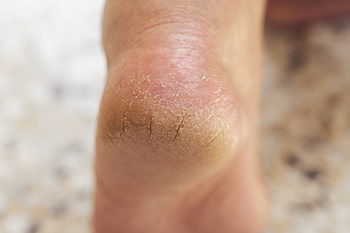
Cracked heels, also known as heel fissures, occur when the skin on the heels becomes dry and thickened, leading to painful cracks, termed fissures. This condition often results from excessive pressure, poor foot hygiene, or prolonged exposure to dry environments. Common causes include wearing open-backed shoes, standing for long periods of time, and having underlying conditions like diabetes or eczema. Risk factors include obesity, lack of moisture, and certain medical conditions that affect skin health. Symptoms of cracked heels often include rough, thickened skin on the heels, visible cracks, and discomfort or pain, particularly while walking. Painful cracked heels can interfere with completing daily activities. If you have developed this condition, it is strongly suggested that you visit a podiatrist who can offer treatment, which may include prescribed medication.
Cracked heels are unsightly and can cause further damage to your shoes and feet. If you have any concerns, contact David Mehl, DPM from New York. Our doctor can provide the care you need to keep you pain-free and on your feet.
Cracked Heels
Cracked heels appear unappealing and can make it harder for you walk around in sandals. Aside from looking unpleasant, cracked heels can also tear stockings, socks, and wear out your shoes. There are several methods to help restore a cracked heel and prevent further damage.
How Do You Get Them?
Dry skin is the number one culprit in creating cracked heels. Many athletes, walkers, joggers, and even swimmers suffer from cracked heels. Age and skin oil production play a role to getting cracked heels as well.
Promote Healing
Over the counter medicines can help, especially for those that need instant relief or who suffer from chronic dry feet.
Wear Socks – Wearing socks with medicated creams helps lock in moisture.
Moisturizers – Applying both day and night will help alleviate dryness which causes cracking.
Pumice Stones – These exfoliate and remove dead skin, which allows for smoother moisturizer application and better absorption into the skin.
Change in Diet
Eating healthy with a well-balanced diet will give the skin a fresh and radiant look. Your body responds to the kinds of food you ingest. Omega-3 fatty acids and zinc supplements can also revitalize skin tissue.
Most importantly, seek professional help if unsure how to proceed in treating cracked heels. A podiatrist will help you with any questions or information needed.
If you have any questions, please feel free to contact our offices located in Forest Hills, and Brooklyn, NY . We offer the newest diagnostic and treatment technologies for all your foot care needs.
Tuesday, 13 August 2024 00:00
Ankle and Foot Fractures
 Ankle and foot fractures are common injuries in sports due to the high-impact nature of activities and sudden directional changes. These fractures occur when the bones in the foot or ankle break due to excessive force, such as during a fall, collision, or awkward landing. Symptoms of ankle and foot fractures include intense pain, swelling, bruising, and an inability to bear weight on the affected foot. The deformity may also be visible in severe cases. Athletes may hear a cracking sound at the time of injury. Treatment for these fractures typically involves immobilization, using a cast or splint to allow the bones to heal properly. Severe fractures may require surgery to realign and stabilize the bones with screws or plates. Targeted exercises are essential for restoring strength, flexibility, and function. Early diagnosis and appropriate treatment are imperative for a full recovery and to prevent long-term complications. If you have incurred a foot or ankle fracture in sports, it is suggested that you visit a podiatrist.
Sports related foot and ankle injuries require proper treatment before players can go back to their regular routines. For more information, contact David Mehl, DPM of New York. Our doctor can provide the care you need to keep you pain-free and on your feet.
Sports Related Foot and Ankle Injuries
Foot and ankle injuries are a common occurrence when it comes to athletes of any sport. While many athletes dismiss the initial aches and pains, the truth is that ignoring potential foot and ankle injuries can lead to serious problems. As athletes continue to place pressure and strain the area further, a mild injury can turn into something as serious as a rupture and may lead to a permanent disability. There are many factors that contribute to sports related foot and ankle injuries, which include failure to warm up properly, not providing support or wearing bad footwear. Common injuries and conditions athletes face, including:
- Plantar Fasciitis
- Achilles Tendinitis
- Achilles Tendon Rupture
- Ankle Sprains
Sports related injuries are commonly treated using the RICE method. This includes rest, applying ice to the injured area, compression and elevating the ankle. More serious sprains and injuries may require surgery, which could include arthroscopic and reconstructive surgery. Rehabilitation and therapy may also be required in order to get any recovering athlete to become fully functional again. Any unusual aches and pains an athlete sustains must be evaluated by a licensed, reputable medical professional.
If you have any questions please contact our offices located in Forest Hills, and Brooklyn, NY . We offer the newest diagnostic and treatment technologies for all your foot and ankle needs.
Tuesday, 06 August 2024 00:00
Complications of a Broken Toe

A broken toe might seem like a minor injury, but it can lead to significant complications if not properly treated. Untreated fractures can result in persistent pain, deformities, reduced mobility, and long-term difficulties in walking. Fractures that affect the big toe can lead to deformities and a restricted range of motion. Toe fractures that involve joint cartilage can cause traumatic osteoarthritis and further joint deformities. Surgery, although sometimes necessary, carries risks such as nerve damage and infection. Seeing a podiatrist promptly after a toe injury ensures that the fracture is correctly diagnosed and appropriately managed. A podiatrist can provide such treatment as casting or buddy taping, to keep the injured toe straight and immobilized while healing. Treatment for a broken toe typically involves a cast or tape to keep the toe straight and promote healing. Depending on the toe and the severity of the injury, it may take up to eight weeks for the fracture to heal. If you have broken a toe, it is suggested that you schedule an appointment with a podiatrist for an exam, diagnosis, and treatment options.
A broken toe can be very painful and lead to complications if not properly fixed. If you have any concerns about your feet, contact David Mehl, DPM from New York. Our doctor will treat your foot and ankle needs.
What to Know About a Broken Toe
Although most people try to avoid foot trauma such as banging, stubbing, or dropping heavy objects on their feet, the unfortunate fact is that it is a common occurrence. Given the fact that toes are positioned in front of the feet, they typically sustain the brunt of such trauma. When trauma occurs to a toe, the result can be a painful break (fracture).
Symptoms of a Broken Toe
- Throbbing pain
- Swelling
- Bruising on the skin and toenail
- The inability to move the toe
- Toe appears crooked or disfigured
- Tingling or numbness in the toe
Generally, it is best to stay off of the injured toe with the affected foot elevated.
Severe toe fractures may be treated with a splint, cast, and in some cases, minor surgery. Due to its position and the pressure it endures with daily activity, future complications can occur if the big toe is not properly treated.
If you have any questions, please feel free to contact our offices located in Forest Hills, and Brooklyn, NY . We offer the newest diagnostic and treatment technologies for all your foot care needs.
Blog Archives
- February 2026
- January 2026
- December 2025
- November 2025
- October 2025
- September 2025
- August 2025
- July 2025
- June 2025
- May 2025
- April 2025
- March 2025
- February 2025
- January 2025
- December 2024
- November 2024
- October 2024
- September 2024
- August 2024
- July 2024
- June 2024
- May 2024
- April 2024
- March 2024
- February 2024
- January 2024
- December 2023
- November 2023
- October 2023
- September 2023
- August 2023
- July 2023
- June 2023
- May 2023
- April 2023
- March 2023
- February 2023
- January 2023
