Connect With Us
Blog
Items filtered by date: January 2024
Tuesday, 30 January 2024 00:00
Nurturing Your Feet for Fall Prevention
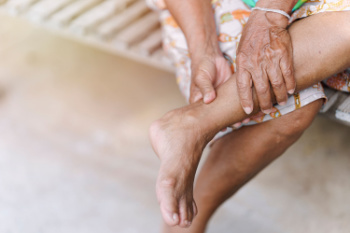
As one ages, the importance of foot care becomes paramount for falls prevention. Start by selecting supportive footwear with slip-resistant soles to navigate slick surfaces with confidence. Regularly inspect your feet for any signs of discomfort, changes, or potential issues that may compromise stability. Moisturize to prevent dryness, as cracked skin may lead to instability. Incorporate gentle stretching exercises to maintain flexibility, enhancing overall balance and coordination. Mindful foot hygiene, including regular washing and drying, helps ward off infections that could affect mobility. Stay vigilant in choosing appropriate footwear for different activities, ensuring a snug fit and proper arch support. By embracing these foot care practices, you can create a solid foundation for fall prevention. Falling can impact the feet, and as these practices are implemented, falling mishaps may be prevented. If you are looking for additional falls prevention techniques, it is suggested that you schedule an appointment with a podiatrist.
Preventing falls among the elderly is very important. If you are older and have fallen or fear that you are prone to falling, consult with David Mehl, DPM from New York. Our doctor will assess your condition and provide you with quality advice and care.
Every 11 seconds, an elderly American is being treated in an emergency room for a fall related injury. Falls are the leading cause of head and hip injuries for those 65 and older. Due to decreases in strength, balance, senses, and lack of awareness, elderly persons are very susceptible to falling. Thankfully, there are a number of things older persons can do to prevent falls.
How to Prevent Falls
Some effective methods that older persons can do to prevent falls include:
- Enrolling in strength and balance exercise program to increase balance and strength
- Periodically having your sight and hearing checked
- Discuss any medications you have with a doctor to see if it increases the risk of falling
- Clearing the house of falling hazards and installing devices like grab bars and railings
- Utilizing a walker or cane
- Wearing shoes that provide good support and cushioning
- Talking to family members about falling and increasing awareness
Falling can be a traumatic and embarrassing experience for elderly persons; this can make them less willing to leave the house, and less willing to talk to someone about their fears of falling. Doing such things, however, will increase the likelihood of tripping or losing one’s balance. Knowing the causes of falling and how to prevent them is the best way to mitigate the risk of serious injury.
If you have any questions, please feel free to contact our offices located in Forest Hills, and Brooklyn, NY . We offer the newest diagnostic and treatment technologies for all your foot care needs.
Tuesday, 23 January 2024 00:00
The Essence of Proper Foot Health
Proper foot health is the cornerstone of overall well-being, laying the foundation for a life of mobility and comfort. At its core, everyday foot care involves maintaining cleanliness and hygiene, with regular washing and drying to prevent infections. It also entails the choice of wearing appropriate footwear, ensuring a balance between comfort, support, and style. Routine inspections for signs of potential issues, such as ingrown toenails or calluses, play a pivotal role in proactive foot care. A regular moisturizing routines prevents dryness and cracking, while fostering skin health. Incorporating gentle exercises and stretches into daily routines strengthens muscles and promotes flexibility, contributing to the prevention of common foot ailments. If you have developed a foot problem that causes pain or discomfort, it is suggested that you make an appointment with a podiatrist.
Everyday foot care is very important to prevent infection and other foot ailments. If you need your feet checked, contact David Mehl, DPM from New York. Our doctor can provide the care you need to keep you pain-free and on your feet.
Everyday Foot Care
Often, people take care of their bodies, face and hair more so than they do for their feet. But the feet are a very important aspect of our bodies, and one that we should pay more attention to. Without our feet, we would not be able to perform most daily tasks.
It is best to check your feet regularly to make sure there are no new bruises or cuts that you may not have noticed before. For dry feet, moisturizer can easily be a remedy and can be applied as often as necessary to the affected areas. Wearing shoes that fit well can also help you maintain good foot health, as well as making it easier to walk and do daily activities without the stress or pain of ill-fitting shoes, high heels, or even flip flops. Wearing clean socks with closed shoes is important to ensure that sweat and bacteria do not accumulate within the shoe. Clean socks help to prevent Athlete’s foot, fungi problems, bad odors, and can absorb sweat.
If you have any questions, please feel free to contact our offices located in Forest Hills, and Brooklyn, NY . We offer the newest diagnostic and treatment technologies for all your foot care needs.
Tuesday, 16 January 2024 00:00
Lymphoedema and Swelling of the Feet
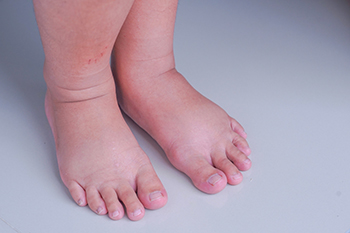
Lymphoedema is a condition where the legs or feet swell due to fluid buildup because the body's lymphatic system, which functions similarly to veins, is struggling to remove it. This swelling is called edema and can happen when you do not move enough, such as after sitting for long periods during a flight. Persistent swelling of the feet, swelling that lasts over three months, is known as chronic edema, which suggests the beginning of lymphatic failure or early lymphoedema. If left untreated, chronic foot edema can cause skin changes, deeper tissue damage, and increase the risk of infections such as cellulitis. It is often associated with chronic venous insufficiency. Various factors can contribute to lymphoedema, including genetics, obesity, inactivity, vein problems, or damage from cancer treatments. Joint surgery may also impair lymphatic vessels, leading to lymphoedema. If you are experiencing swollen feet on a regular basis, it is suggested that you make an appointment with a podiatrist as quickly as possible to obtain treatment and prevent serious complications.
Swollen feet can be a sign of an underlying condition. If you have any concerns, contact David Mehl, DPM of New York. Our doctor can provide the care you need to keep you pain-free and on your feet.
Swollen feet are a common ailment among pregnant women and people who stand or sit for extended periods. Aging may increase the possibility of swollen feet and patients who are obese often notice when their feet are swelling too. There may be medical reasons why swollen feet occur:
- Phlebitis - A condition that causes the veins to become inflamed and can also cause leg pain.
- Liver disease - This may lead to low blood levels of albumin which is a protein. This can cause fluid in the blood to pass into the tissues and several areas of the body can become swollen.
- Heart failure - When the heart doesn’t pump properly the blood that is normally pumped back to the heart can pool in the veins of the legs causing swollen feet.
- Kidney disease - One of the main functions of the kidneys is releasing excess fluid in the body. This type of condition can make it difficult for the kidneys to function properly, and as a result the feet may become swollen.
- Deep-vein thrombosis (DVT)- This is a serious condition where blood clots form in the veins of the legs. They can block the return of blood from the legs to the heart which may cause the feet to swell. It is important to be treated by a podiatrist if this condition is present.
Swollen feet can also be caused by bone and tendon conditions, including fractures, arthritis, and tendinitis. Additionally, there may be skin and toenail conditions and an infection may cause the feet to swell. Patients who take medicine to treat high blood pressure may be prone to getting swollen feet.
Many patients elevate their feet to help relieve the swelling and this is generally a temporary remedy. When a podiatrist is consulted the reason behind the swelling can be uncovered and subsequently treated.
If you have any questions please contact our offices located in Forest Hills, and Brooklyn, NY . We offer the newest diagnostic and treatment technologies for all your foot and ankle needs.
Tuesday, 09 January 2024 00:00
Treatment Options for Stress Fractures
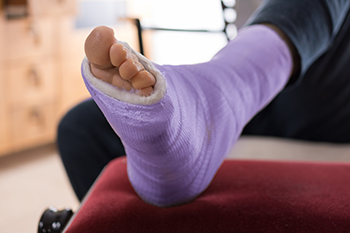
Treatment options for stress fractures focus on promoting healing, managing pain, and preventing complications associated with these injuries. Stress fractures typically result from repetitive stress or overuse and require careful attention to facilitate recovery. Rest is a fundamental component, involving the reduction or avoidance of activities that led to the fracture, allowing the affected bone to heal without additional strain. In some cases, immobilization with the use of casts, braces, or walking boots may be necessary to support proper healing. Modifying weight-bearing activities can also alleviate stress on the fracture site, often requiring the use of crutches or assistive devices. Pain management strategies may involve medications to address discomfort and inflammation. Wearing custom orthotic devices or shoe inserts may offer better support and alignment for the affected area, reducing bone stress. Adjusting activity routines, incorporating appropriate warm-up and cool-down exercises, and avoiding excessive exertion are essential in preventing future stress fractures. A balanced diet with sufficient calcium and vitamin D supports bone health and healing. While surgery is rarely needed, it may be considered when conservative treatments prove ineffective at stabilizing the bone. If you have sustained a stress fracture in your feet or ankle, it is suggested that you schedule an appointment with a podiatrist for an evaluation and personalized treatment plan.
Stress fractures occur when there is a tiny crack within a bone. To learn more, contact David Mehl, DPM from New York. Our doctor can provide the care you need to keep you pain free and on your feet.
How Are They Caused?
Stress fractures are the result of repetitive force being placed on the bone. Since the lower leg and feet often carry most of the body’s weight, stress fractures are likely to occur in these areas. If you rush into a new exercise, you are more likely to develop a stress fracture since you are starting too much, too soon. Pain resulting from stress fractures may go unnoticed at first, however it may start to worsen over time.
Risk Factors
- Gender – They are more commonly found in women compared to men.
- Foot Problems – People with unusual arches in their feet are more likely to develop stress fractures.
- Certain Sports – Dancers, gymnasts, tennis players, runners, and basketball players are more likely to develop stress fractures.
- Lack of Nutrients – A lack of vitamin D and calcium may weaken the bones and make you more prone to stress fractures
- Weak Bones – Osteoporosis can weaken the bones therefore resulting in stress fractures
Stress fractures do not always heal properly, so it is important that you seek help from a podiatrist if you suspect you may have one. Ignoring your stress fracture may cause it to worsen, and you may develop chronic pain as well as additional fractures.
If you have any questions please contact our offices located in Forest Hills, and Brooklyn, NY . We offer the newest diagnostic and treatment technologies for all your foot and ankle needs.
Tuesday, 02 January 2024 00:00
Definition and Risk Factors of Plantar Warts
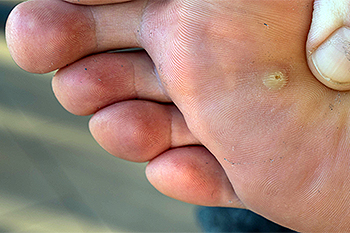
Plantar warts, small growths caused by the human papillomavirus, or HPV, often appear on the soles of the feet. Unlike common warts, which typically grow on the hands, plantar warts can be painful due to the pressure exerted on the soles when walking or standing. These warts may have a rough, grainy appearance with tiny black dots, which are actually clotted blood vessels. Several risk factors increase the likelihood of developing plantar warts. Close contact with the virus, such as walking barefoot in damp and communal areas like locker rooms, swimming pools, or public showers, can put your feet at risk. Additionally, those with a weakened immune system, such as individuals with diabetes or HIV, are more susceptible to plantar warts. Constantly moist or sweaty feet can provide an ideal environment for the virus to thrive. If you have developed a plantar wart, it is strongly suggested that you consult a podiatrist who can provide relief with appropriate treatment methods.
Plantar warts can be very uncomfortable. If you need your feet checked, contact David Mehl, DPM from New York. Our doctor will assist you with all of your foot and ankle needs.
About Plantar Warts
Plantar warts are the result of HPV, or human papillomavirus, getting into open wounds on the feet. They are mostly found on the heels or balls of the feet.
While plantar warts are generally harmless, those experiencing excessive pain or those suffering from diabetes or a compromised immune system require immediate medical care. Plantar warts are easily diagnosed, usually through scraping off a bit of rough skin or by getting a biopsy.
Symptoms
- Lesions on the bottom of your feet, usually rough and grainy
- Hard or thick callused spots
- Wart seeds, which are small clotted blood vessels that look like little black spots
- Pain, discomfort, or tenderness of your feet when walking or standing
Treatment
- Freezing
- Electric tool removal
- Laser Treatment
- Topical Creams (prescription only)
- Over-the-counter medications
To help prevent developing plantar warts, avoid walking barefoot over abrasive surfaces that can cause cuts or wounds for HPV to get into. Avoiding direct contact with other warts, as well as not picking or rubbing existing warts, can help prevent the further spread of plantar warts. However, if you think you have developed plantar warts, speak to your podiatrist. He or she can diagnose the warts on your feet and recommend the appropriate treatment options.
If you have any questions, please feel free to contact our offices located in Forest Hills, and Brooklyn, NY . We offer the newest diagnostic and treatment technologies for all your foot care needs.
Blog Archives
- February 2026
- January 2026
- December 2025
- November 2025
- October 2025
- September 2025
- August 2025
- July 2025
- June 2025
- May 2025
- April 2025
- March 2025
- February 2025
- January 2025
- December 2024
- November 2024
- October 2024
- September 2024
- August 2024
- July 2024
- June 2024
- May 2024
- April 2024
- March 2024
- February 2024
- January 2024
- December 2023
- November 2023
- October 2023
- September 2023
- August 2023
- July 2023
- June 2023
- May 2023
- April 2023
- March 2023
- February 2023
- January 2023
