Connect With Us
Blog
Items filtered by date: November 2023
Tuesday, 28 November 2023 00:00
High Heels Can Be Problematic for Women

In the realm of women's fashion, high heels often take center stage. However, this type of shoe can lead to a number of potential foot, toe, and ankle problems. For instance, the classic pump can be a double-edged sword for fashion enthusiasts. The rigid material and elevated height may contribute to the development of a painful knot on the back of the heel, commonly referred to as a pump bump. This not only causes discomfort but can also lead to blisters, swelling, bursitis, and persistent Achilles tendon pain. Ultra-high heels force the feet into a position that places excessive stress on the ball of the foot. This heightened pressure can result in inflammation of the metatarsal and sesamoid bones, as well as the toe bones, potentially leading to hairline fractures. Many high heel shoes have a narrow toe box that can lead to toe problems, like bunions and hammertoe. The risk of ankle sprains is common for those wearing high heels, as the concentration of weight on a small area increases the chances of wobbling and tripping. Prioritizing both style and foot health is not only a wise choice but a necessary one. If you have incurred a foot problem or injury caused by frequently wearing high heels, it is suggested that you make an appointment with a podiatrist who can provide appropriate treatment.
High heels have a history of causing foot and ankle problems. If you have any concerns about your feet or ankles, contact David Mehl, DPM from New York. Our doctor can provide the care you need to keep you pain-free and on your feet.
Effects of High Heels on the Feet
High heels are popular shoes among women because of their many styles and societal appeal. Despite this, high heels can still cause many health problems if worn too frequently.
Which Parts of My Body Will Be Affected by High Heels?
- Ankle Joints
- Achilles Tendon – May shorten and stiffen with prolonged wear
- Balls of the Feet
- Knees – Heels cause the knees to bend constantly, creating stress on them
- Back – They decrease the spine’s ability to absorb shock, which may lead to back pain. The vertebrae of the lower back may compress.
What Kinds of Foot Problems Can Develop from Wearing High Heels?
- Corns
- Calluses
- Hammertoe
- Bunions
- Morton’s Neuroma
- Plantar Fasciitis
How Can I Still Wear High Heels and Maintain Foot Health?
If you want to wear high heeled shoes, make sure that you are not wearing them every day, as this will help prevent long term physical problems. Try wearing thicker heels as opposed to stilettos to distribute weight more evenly across the feet. Always make sure you are wearing the proper shoes for the right occasion, such as sneakers for exercising. If you walk to work, try carrying your heels with you and changing into them once you arrive at work. Adding inserts to your heels can help cushion your feet and absorb shock. Full foot inserts or metatarsal pads are available.
If you have any questions, please feel free to contact our offices located in Forest Hills, and Brooklyn, NY . We offer the newest diagnostic and treatment technologies for all your foot care needs.
Tuesday, 21 November 2023 00:00
What Is Gout and Who Is at Risk?
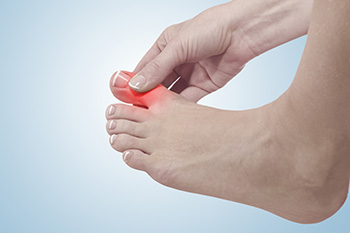
Gout is a form of inflammatory arthritis characterized by sudden, severe attacks of pain, redness, and tenderness in joints, often at the base of the big toe. It is caused by elevated levels of uric acid in the blood, which can form needle-like crystals in a joint, triggering inflammation and intense pain. Risk factors for developing gout can include a diet rich in purines, found in red meat, seafood, and alcohol. Additionally, obesity, and certain health conditions such as high blood pressure, diabetes, and kidney problems may also lead to developing gout. Men and postmenopausal women are more susceptible. If you think you may have gout and you have pain in your big toe, it is suggested that you make an appointment with a podiatrist for an evaluation and treatment that can restore your comfort.
Gout is a painful condition that can be treated. If you are seeking treatment, contact David Mehl, DPM from New York. Our doctor will treat your foot and ankle needs.
What Is Gout?
Gout is a form of arthritis that is characterized by sudden, severe attacks of pain, redness, and tenderness in the joints. The condition usually affects the joint at the base of the big toe. A gout attack can occur at any random time, such as the middle of the night while you are asleep.
Symptoms
- Intense Joint Pain - Usually around the large joint of your big toe, and it most severe within the first four to twelve hours
- Lingering Discomfort - Joint discomfort may last from a few days to a few weeks
- Inflammation and Redness -Affected joints may become swollen, tender, warm and red
- Limited Range of Motion - May experience a decrease in joint mobility
Risk Factors
- Genetics - If family members have gout, you’re more likely to have it
- Medications - Diuretic medications can raise uric acid levels
- Gender/Age - Gout is more common in men until the age of 60. It is believed that estrogen protects women until that point
- Diet - Eating red meat and shellfish increases your risk
- Alcohol - Having more than two alcoholic drinks per day increases your risk
- Obesity - Obese people are at a higher risk for gout
Prior to visiting your podiatrist to receive treatment for gout, there are a few things you should do beforehand. If you have gout you should write down your symptoms--including when they started and how often you experience them, important medical information you may have, and any questions you may have. Writing down these three things will help your podiatrist in assessing your specific situation so that he or she may provide the best route of treatment for you.
If you have any questions, please feel free to contact our offices located in Forest Hills, and Brooklyn, NY . We offer the newest diagnostic and treatment technologies for all your foot care needs.
Tuesday, 14 November 2023 00:00
Definition and Causes of Tarsal Tunnel Syndrome
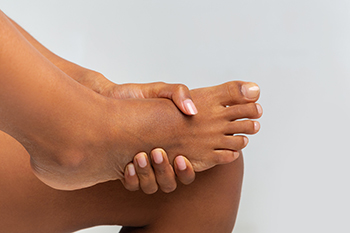
Tarsal tunnel syndrome, abbreviated TTS, is a relatively rare but painful condition involving the compression of the tibial nerve as it passes through the tarsal tunnel, a narrow passageway on the inside of the ankle. The tarsal tunnel is enclosed by bone and ligaments, and when pressure is exerted on the tibial nerve within this space, it can lead to TTS. The exact causes of tarsal tunnel syndrome can vary, but common factors include injury or trauma to the ankle, such as sprains or fractures, which may lead to swelling and compression of the nerve. Overpronation, where the foot rolls excessively inward, can also place additional stress on the tibial nerve. Other factors contributing to TTS may include systemic conditions like diabetes, which can result in nerve inflammation and entrapment. Recognizing the potential causes of tarsal tunnel syndrome is essential in seeking appropriate medical care and taking preventive measures to alleviate this painful condition. If you have foot pain, it is suggested that you contact a podiatrist who can accurately diagnose and treat tarsal tunnel syndrome.
Tarsal tunnel syndrome can be very uncomfortable to live with. If you are experiencing tarsal tunnel syndrome, contact David Mehl, DPM of New York. Our doctor can provide the care you need to keep you pain-free and on your feet.
Tarsal Tunnel Syndrome
Tarsal tunnel syndrome, which can also be called tibial nerve dysfunction, is an uncommon condition of misfiring peripheral nerves in the foot. The tibial nerve is the peripheral nerve in the leg responsible for sensation and movement of the foot and calf muscles. In tarsal tunnel syndrome, the tibial nerve is damaged, causing problems with movement and feeling in the foot of the affected leg.
Common Cause of Tarsal Tunnel Syndrome
- Involves pressure or an injury, direct pressure on the tibial nerve for an extended period of time, sometimes caused by other body structures close by or near the knee.
- Diseases that damage nerves, including diabetes, may cause tarsal tunnel syndrome.
- At times, tarsal tunnel syndrome can appear without an obvious cause in some cases.
The Effects of Tarsal Tunnel Syndrome
- Different sensations, an afflicted person may experience pain, tingling, burning or other unusual sensations in the foot of the affected leg.
- The foot muscles, toes and ankle become weaker, and curling your toes or flexing your foot can become difficult.
- If condition worsens, infections and ulcers may develop on the foot that is experiencing the syndrome.
A physical exam of the leg can help identify the presence of tarsal tunnel syndrome. Medical tests, such as a nerve biopsy, are also used to diagnose the condition. Patients may receive physical therapy and prescriptive medication. In extreme cases, some may require surgery.
If you have any questions please contact our offices located in Forest Hills, and Brooklyn, NY . We offer the newest diagnostic and treatment technologies for all your foot and ankle needs.
Tuesday, 07 November 2023 00:00
The Job Description of a Podiatrist

Podiatrists are medical professionals specializing in the care of the feet, ankles, and lower extremities. They play a vital role in keeping people on their feet and pain-free. A podiatrist's job description includes diagnosing and treating a wide range of foot and ankle conditions, from common issues such as ingrown toenails and plantar warts to more complex problems consisting of fractures and chronic conditions like diabetes-related foot complications. Podiatrists may perform surgeries, prescribe medication, and provide guidance on how to choose proper footwear. Preventive care is also a significant aspect of their work, as they educate patients on foot health and methods to prevent future problems. Their expertise extends to analyzing how a person's feet and lower limbs impact their overall health, making them an essential part of the healthcare system and instrumental in enhancing people's quality of life. If you are interested in learning about what the role of a podiatrist is, it is suggested that you contact this type of doctor who can provide you with the knowledge you are seeking.
If you are experiencing pain in the feet or ankles, don’t join the stubborn majority refusing treatment. Feel free to contact David Mehl, DPM from New York. Our doctor can provide the care you need to keep you pain-free and on your feet.
What Is a Podiatrist?
Someone would seek the care of a podiatrist if they have suffered a foot injury or have common foot ailments such as heal spurs, bunions, arch problems, deformities, ingrown toenails, corns, foot and ankle problems, etc.
Podiatric Treatment
A podiatrist will treat the problematic areas of the feet, ankle or lower leg by prescribing the following:
- Physical therapy
- Drugs
- Orthotic inserts or soles
- Surgery on lower extremity fractures
A common podiatric procedure a podiatrist will use is a scanner or force plate which will allow the podiatrist to know the designs of orthotics. Patients are then told to follow a series of tasks to complete the treatment. The computer will scan the foot a see which areas show weight distribution and pressure points. The podiatrist will read the analysis and then determine which treatment plans are available.
If you have any questions, please feel free to contact our offices located in Forest Hills, and Brooklyn, NY . We offer the newest diagnostic and treatment technologies for all your foot care needs.
Blog Archives
- February 2026
- January 2026
- December 2025
- November 2025
- October 2025
- September 2025
- August 2025
- July 2025
- June 2025
- May 2025
- April 2025
- March 2025
- February 2025
- January 2025
- December 2024
- November 2024
- October 2024
- September 2024
- August 2024
- July 2024
- June 2024
- May 2024
- April 2024
- March 2024
- February 2024
- January 2024
- December 2023
- November 2023
- October 2023
- September 2023
- August 2023
- July 2023
- June 2023
- May 2023
- April 2023
- March 2023
- February 2023
- January 2023
