Connect With Us
Blog
Items filtered by date: December 2025
Tuesday, 30 December 2025 00:00
Are Flip-Flops Damaging to My Feet?
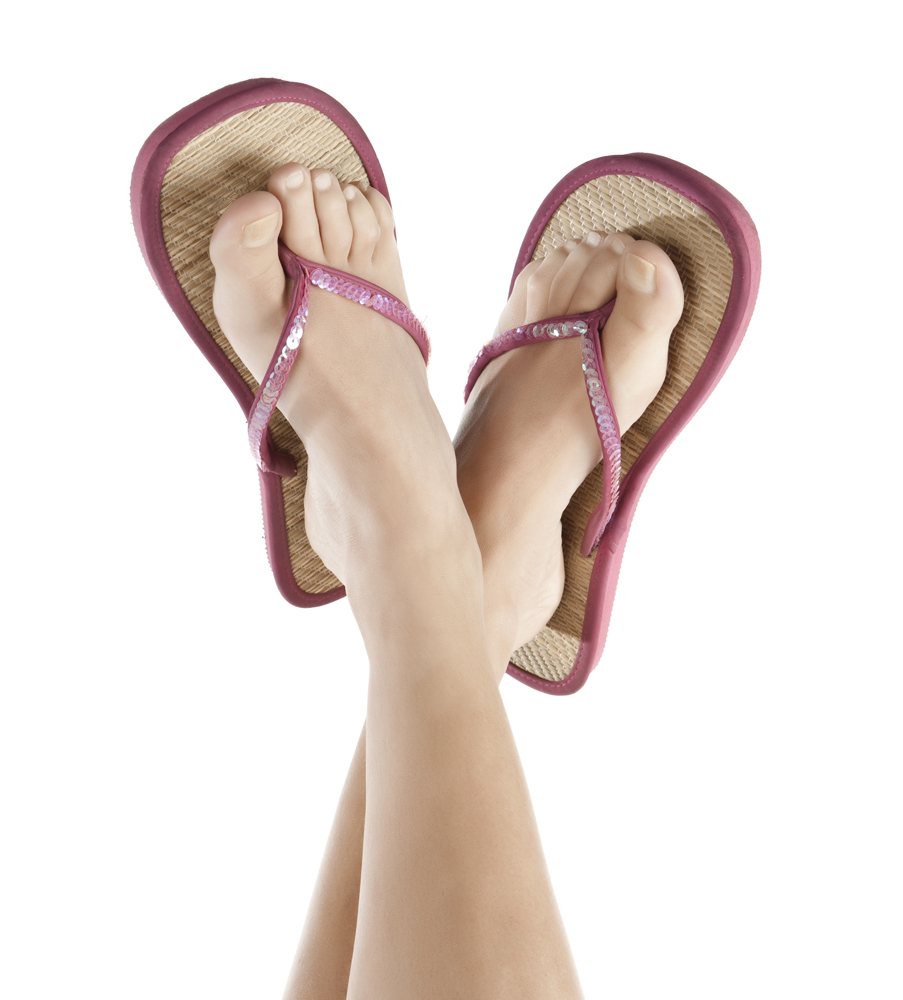 Looking ahead to the summer months, let’s talk flip-flops. Flip-flops tend to be an inexpensive, trendy, colorful, and easy-to-wear option for summer, but because there is little support they may be harmful to your feet. Possible injuries may include damage inflicted to the heel, typically causing severe pain. Additionally, the ligaments in the arch may be affected, which may result from improper support if continued over long periods of time. Spraining the ankle can be connected to lack of arch support, which may occur when rolled to one side. This can be alleviated when proper shoes are chosen for summer wear. There are several choices available for these “fun” shoes, including sandals with a supportive outer heel, cork soles in place of rubber soles, and solid straps that may help to hold the foot in place. Your feet will look good and, more importantly, feel good when the right shoes are chosen.
Flip-flops are not always the best choice of footwear. If you have any concerns about your feet or ankles, contact David Mehl, DPM from New York. Our doctor will assist you with all of your foot and ankle needs.
Flip-Flops and Feet
When the weather starts warming up, people enjoy wearing flip-flops. Flip-flops are comfortable, stylish, and easy to slip on and off; they're perfect for any summer beach goer. However, these shoes can cause harm to the feet.
How Can Flip-Flops Affect Me Long-Term?
- Ankle problems
- Hip problems
- Lower back problems
- Pain in the balls of the feet
- Problems with foot arches
- Changes in the way you walk
Are There Injuries Associated with Flip-Flops?
Yes. Since flip-flops are relatively weak and do not provide the same amount of support as sneakers, people who wear flip-flops regularly are more susceptible to injuries. On top of that, the open nature of the shoe makes your feet more prone to other problems, such as cuts and even infections. Common injuries and ailments include:
- Sprained ankles
- Blisters
- Infections
- Cuts and Scrapes
I like Wearing Flip-Flops. Are There Safe Alternatives?
When buying flip-flops, try to find ones that have sturdy soles and that are made of high-quality materials that will support for your feet. These flip-flops will cost more but will also last longer as a result.
If you have any questions, please feel free to contact our offices located in Forest Hills, and Brooklyn, NY . We offer the newest diagnostic and treatment technologies for all your foot care needs.
Tuesday, 23 December 2025 00:00
Causes and Symptoms of Midfoot Sprains
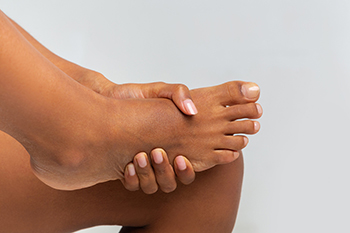
A midfoot sprain develops when the ligaments that support the arch are overstretched or torn during a sharp twist, fall, or sudden impact. Sports that demand quick direction changes, jumps, or landing on a flexed foot can strain the midfoot. Everyday slips where the foot bends awkwardly can also injure this area. Midfoot sprains cause pain through the arch, swelling, bruising, and difficulty in placing weight on the foot. The pain often increases when pushing off the toes or standing on uneven surfaces. Wearing shoes with inadequate support, especially flexible styles such as flip-flops, can place additional stress on the midfoot. A podiatrist can assess ligament damage, determine if a fracture is present, and discuss whether supportive care or surgery is needed as part of a treatment plan. If you have sustained a midfoot sprain, it is suggested that you make an appointment with a podiatrist for a diagnosis and treatment.
Foot Pain
Foot pain can be extremely painful and debilitating. If you have a foot pain, consult with David Mehl, DPM from New York. Our doctor will assess your condition and provide you with quality foot and ankle treatment.
Causes
Foot pain is a very broad condition that could be caused by one or more ailments. The most common include:
- Bunions
- Hammertoes
- Plantar Fasciitis
- Bone Spurs
- Corns
- Tarsal Tunnel Syndrome
- Ingrown Toenails
- Arthritis (such as Gout, Rheumatoid, and Osteoarthritis)
- Flat Feet
- Injury (from stress fractures, broken toe, foot, ankle, Achilles tendon ruptures, and sprains)
- And more
Diagnosis
To figure out the cause of foot pain, podiatrists utilize several different methods. This can range from simple visual inspections and sensation tests to X-rays and MRI scans. Prior medical history, family medical history, and any recent physical traumatic events will all be taken into consideration for a proper diagnosis.
Treatment
Treatment depends upon the cause of the foot pain. Whether it is resting, staying off the foot, or having surgery; podiatrists have a number of treatment options available for foot pain.
If you have any questions, please feel free to contact our offices located in Forest Hills, and Brooklyn, NY . We offer the newest diagnostic and treatment technologies for all your foot care needs.
Tuesday, 16 December 2025 00:00
Relieving Pain From Morton’s Neuroma for Improved Foot Comfort
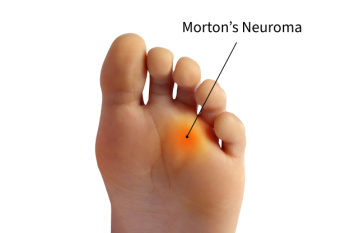
Morton’s neuroma is a painful condition that affects the ball of the foot, most commonly between the third and fourth toes, caused by irritation, compression, or thickening of the tissue around the nerves. It may look like a swelling or simply appear as a normal foot, making visual diagnosis difficult, but many individuals report a feeling of a small pebble under the foot or the sensation of walking on a folded sock. Symptoms include sharp, burning pain, tingling, numbness, or a stabbing sensation in the affected toes, often worsening with tight shoes or prolonged activity. Women are more likely to develop Morton’s neuroma, partly due to wearing narrow or high-heeled shoes that compress the forefoot. A podiatrist can perform a thorough examination, order imaging if needed, and recommend treatments such as custom orthotics, footwear modifications, anti-inflammatory medications, or corticosteroid injections. In severe or persistent cases, minor surgery may be necessary to relieve pressure on the nerve. Early intervention reduces pain and prevents progression. If you experience persistent forefoot pain or tingling, it is suggested that you make an appointment with a podiatrist.
Morton’s neuroma is a very uncomfortable condition to live with. If you think you have Morton’s neuroma, contact David Mehl, DPM of New York. Our doctor will attend to all of your foot care needs and answer any of your related questions.
Morton’s Neuroma
Morton's neuroma is a painful foot condition that commonly affects the areas between the second and third or third and fourth toe, although other areas of the foot are also susceptible. Morton’s neuroma is caused by an inflamed nerve in the foot that is being squeezed and aggravated by surrounding bones.
What Increases the Chances of Having Morton’s Neuroma?
- Ill-fitting high heels or shoes that add pressure to the toe or foot
- Jogging, running or any sport that involves constant impact to the foot
- Flat feet, bunions, and any other foot deformities
Morton’s neuroma is a very treatable condition. Orthotics and shoe inserts can often be used to alleviate the pain on the forefront of the feet. In more severe cases, corticosteroids can also be prescribed. In order to figure out the best treatment for your neuroma, it’s recommended to seek the care of a podiatrist who can diagnose your condition and provide different treatment options.
If you have any questions, please feel free to contact our offices located in Forest Hills, and Brooklyn, NY . We offer the newest diagnostic and treatment technologies for all your foot care needs.
Friday, 12 December 2025 00:00
Stop Your Toenail Fungus
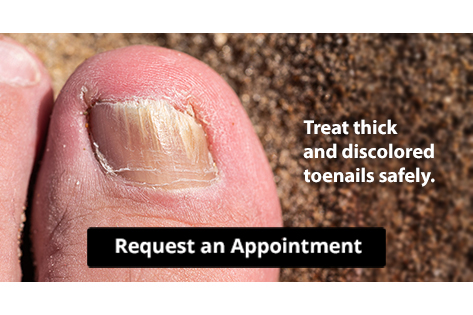
Have you noticed discoloration of your toenails? Have they become thickened or brittle? If so, you may be experiencing symptoms of a fungal nail infection. For some, having a fungal nail can be embarrassing. Overcome your embarrassment, and get treated.
Tuesday, 09 December 2025 00:00
The Power of Intrinsic Foot Muscles in Support and Movement
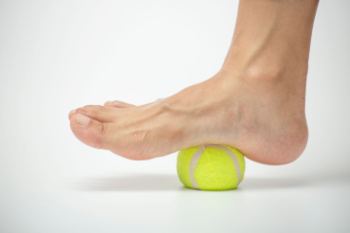
The intrinsic muscles of the foot play a vital role in shock absorption, protection of the plantar fascia, and guiding how force transfers from the ground back into the body, which is especially important for runners who place repeated stress on their feet. Keeping these muscles strong helps improve balance, stability, running efficiency, and overall foot health. Helpful exercises include toe crunches by curling your toes while keeping your heel down, calf raises by lifting your heels slowly while standing tall, and toe extensions by lifting your toes upward while the rest of your foot stays flat. These movements strengthen the small muscles that support your arch and reduce strain during long runs or speed work. A podiatrist can assess your running mechanics and create a personalized strengthening plan. If you experience foot pain, scheduling a visit with a podiatrist can help you stay injury-free and improve performance.
Exercising your feet regularly with the proper foot wear is a great way to prevent injuries and build strength. If you have any concerns about your feet, contact David Mehl, DPM from New York. Our doctor can provide the care you need to keep you pain-free and on your feet.
Exercise for Your Feet
Exercise for your feet can help you gain strength, mobility and flexibility in your feet. They say that strengthening your feet can be just as rewarding as strengthening another part of the body. Your feet are very important, and we often forget about them in our daily tasks. But it is because of our feet that are we able to get going and do what we need to. For those of us fortunate enough to not have any foot problems, it is an important gesture to take care of them to ensure good health in the long run.
Some foot health exercises can include ankle pumps, tip-toeing, toe rises, lifting off the floor doing reps and sets, and flexing the toes. It is best to speak with Our doctor to determine an appropriate regimen for your needs. Everyone’s needs and bodies are different, and the activities required to maintain strength in the feet vary from individual to individual.
Once you get into a routine of doing regular exercise, you may notice a difference in your feet and how strong they may become.
If you have any questions, please feel free to contact our offices located in Forest Hills, and Brooklyn, NY . We offer the newest diagnostic and treatment technologies for all your foot care needs.
Tuesday, 02 December 2025 00:00
Is My Toe Bruised or Broken?
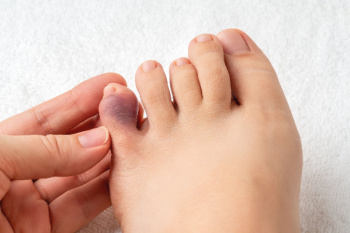
A broken toe is a fracture in one of the small bones of the toe, often caused by stubbing it hard, dropping something heavy on it, or sustaining a sports injury. In many cases both bruising and breaking result in pain and swelling. However, a broken toe typically causes sharper pain, possible deformity, and trouble walking, whereas bruising usually improves with rest and time. Proper diagnosis is important to prevent long-term problems, such as stiffness or misalignment. A podiatrist can confirm the injury with X-rays and provide treatment that includes splinting, taping, or special footwear for protection. Do not ignore persistent pain or swelling. If you have injured your toe, it is suggested that you promptly consult a podiatrist who can provide an accurate diagnosis and treatment.
A broken toe can be very painful and lead to complications if not properly fixed. If you have any concerns about your feet, contact David Mehl, DPM from New York. Our doctor will treat your foot and ankle needs.
What to Know About a Broken Toe
Although most people try to avoid foot trauma such as banging, stubbing, or dropping heavy objects on their feet, the unfortunate fact is that it is a common occurrence. Given the fact that toes are positioned in front of the feet, they typically sustain the brunt of such trauma. When trauma occurs to a toe, the result can be a painful break (fracture).
Symptoms of a Broken Toe
- Throbbing pain
- Swelling
- Bruising on the skin and toenail
- The inability to move the toe
- Toe appears crooked or disfigured
- Tingling or numbness in the toe
Generally, it is best to stay off of the injured toe with the affected foot elevated.
Severe toe fractures may be treated with a splint, cast, and in some cases, minor surgery. Due to its position and the pressure it endures with daily activity, future complications can occur if the big toe is not properly treated.
If you have any questions, please feel free to contact our offices located in Forest Hills, and Brooklyn, NY . We offer the newest diagnostic and treatment technologies for all your foot care needs.
Blog Archives
- February 2026
- January 2026
- December 2025
- November 2025
- October 2025
- September 2025
- August 2025
- July 2025
- June 2025
- May 2025
- April 2025
- March 2025
- February 2025
- January 2025
- December 2024
- November 2024
- October 2024
- September 2024
- August 2024
- July 2024
- June 2024
- May 2024
- April 2024
- March 2024
- February 2024
- January 2024
- December 2023
- November 2023
- October 2023
- September 2023
- August 2023
- July 2023
- June 2023
- May 2023
- April 2023
- March 2023
- February 2023
- January 2023
