Connect With Us
Blog
Items filtered by date: August 2025
Tuesday, 26 August 2025 00:00
Evaluating Treatment Paths for Painful Heel Growths
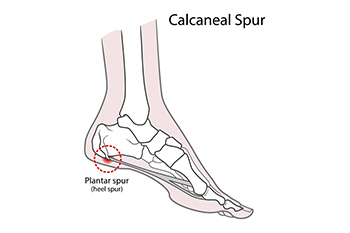
Bony projections that form beneath the heel can sometimes be an incidental finding, but in other cases they contribute to ongoing discomfort. When symptoms arise, the focus is often on calming the irritation in nearby tissues rather than the growth itself. Soft, shock-absorbing shoes or inserts may reduce impact, while gentle stretching routines help ease tension in the arch and calf. More advanced measures, such as specialized therapy or procedures, may be considered if pain continues, despite these adjustments. Surgical removal of a heel spur is generally a final step, reserved for cases that resist other care options. The most effective plan takes into account the cause of pain, activity demands, and overall foot condition. If discomfort near the heel becomes persistent, it is suggested that you see a podiatrist for an assessment and appropriate treatment.
Heel spurs can be incredibly painful and sometimes may make you unable to participate in physical activities. To get medical care for your heel spurs, contact David Mehl, DPM from New York. Our doctor will do everything possible to treat your condition.
Heels Spurs
Heel spurs are formed by calcium deposits on the back of the foot where the heel is. This can also be caused by small fragments of bone breaking off one section of the foot, attaching onto the back of the foot. Heel spurs can also be bone growth on the back of the foot and may grow in the direction of the arch of the foot.
Older individuals usually suffer from heel spurs and pain sometimes intensifies with age. One of the main condition's spurs are related to is plantar fasciitis.
Pain
The pain associated with spurs is often because of weight placed on the feet. When someone is walking, their entire weight is concentrated on the feet. Bone spurs then have the tendency to affect other bones and tissues around the foot. As the pain continues, the feet will become tender and sensitive over time.
Treatments
There are many ways to treat heel spurs. If one is suffering from heel spurs in conjunction with pain, there are several methods for healing. Medication, surgery, and herbal care are some options.
If you have any questions, please feel free to contact our offices located in Forest Hills, and Brooklyn, NY . We offer the newest diagnostic and treatment technologies for all your foot care needs.
Tuesday, 19 August 2025 00:00
Assessing Foot and Ankle Pain in Children
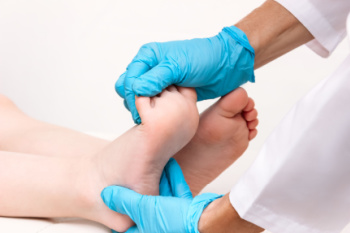
Foot and ankle discomfort in children can arise from a variety of causes, including growth-related changes, overuse injuries, or structural concerns. A podiatrist evaluates the child’s medical history, activity level, and footwear to identify potential contributing factors. The examination may include checking joint flexibility, muscle strength, and walking patterns to detect abnormalities. Imaging tests are sometimes used to confirm the diagnosis or rule out more serious conditions. Early identification of the underlying issue is important to prevent the problem from interfering with daily activities or sports participation. Treatment may involve activity modification, stretching, wearing supportive footwear, or custom orthotics to address specific needs. Timely intervention can help relieve discomfort, promote healthy development, and reduce the risk of chronic problems. If your child experiences persistent foot or ankle pain, it is suggested you arrange for an evaluation with a podiatrist.
The health of a child’s feet is vital to their overall well-being. If you have any questions regarding foot health, contact David Mehl, DPM of New York. Our doctor can provide the care you need to keep you pain-free and on your feet.
Tips for Keeping Children's Feet Healthy
- Make sure their shoes fit properly
- Look for any signs of in-toeing or out-toeing
- Check to see if they have Clubfoot (condition that affects your child’s foot and ankle, twisting the heel and toes inward) which is one of the most common nonmajor birth defects.
- Lightly cover your baby’s feet (Tight covers may keep your baby from moving their feet freely, and could prevent normal development)
- Allow your toddler to go shoeless (Shoes can be restricting for a young child’s foot)
- Cut toenails straight across to avoid ingrown toenails
- Keep your child’s foot clean and dry
- Cover cuts and scrapes. Wash any scratches with soap and water and cover them with a bandage until they’ve healed.
If you have any questions, please feel free to contact our offices located in Forest Hills, and Brooklyn, NY . We offer the newest diagnostic and treatment technologies for all your foot care needs.
Tuesday, 12 August 2025 00:00
What to Know About Toenail Surgery
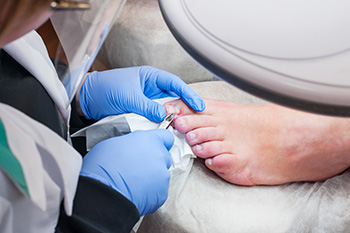
Toenail surgery is used when conditions like ingrown, thickened, or curved toenails do not improve with routine care. A podiatrist may remove part or all of the toenail to relieve pain and reduce the chance of infection. A chemical is often applied to the nail bed to prevent regrowth of the problem area. The procedure is done under local anesthetic, which numbs the toe, and typically there are no skin incisions or stitches that are involved. After the surgery, a large dressing is applied, and patients are usually able to walk in open-toed sandals or flip-flops. Healing times vary, but most people recover within three months depending on how much of the nail is removed. Risk factors include infection, delayed healing, or nail regrowth. A podiatrist will monitor your recovery and provide dressing instructions to help ensure proper healing. If you have painful or problematic toenails, it is suggested that you schedule an appointment with a podiatrist for an exam and appropriate treatment, which may include surgery.
Foot surgery is sometimes necessary to treat a foot ailment. To learn more, contact David Mehl, DPM of New York. Our doctor will assist you with all of your foot and ankle needs.
When Is Surgery Necessary?
Foot and ankle surgery is generally reserved for cases in which less invasive, conservative procedures have failed to alleviate the problem. Some of the cases in which surgery may be necessary include:
- Removing foot deformities like bunions and bone spurs
- Severe arthritis that has caused bone issues
- Cosmetic reconstruction
What Types of Surgery Are There?
The type of surgery you receive will depend on the nature of the problem you have. Some of the possible surgeries include:
- Bunionectomy for painful bunions
- Surgical fusion for realignment of bones
- Neuropathy decompression surgery to treat nerve damage
Benefits of Surgery
Although surgery is usually a last resort, it can provide more complete pain relief compared to non-surgical methods and may allow you to finally resume full activity.
Surgical techniques have also become increasingly sophisticated. Techniques like endoscopic surgery allow for smaller incisions and faster recovery times.
If you have any questions, please feel free to contact our offices located in Forest Hills, and Brooklyn, NY . We offer the newest diagnostic and treatment technologies for all your foot care needs.
Tuesday, 05 August 2025 00:00
Understanding and Managing Cuboid Syndrome
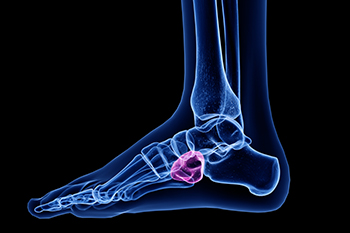
Cuboid syndrome occurs when the cuboid bone in the midfoot becomes misaligned, often following an ankle sprain or repeated stress. It can cause an aching pain on the outside of the foot, especially during walking or weight-bearing activities. A podiatrist will examine the area by checking for tenderness over the cuboid bone, observing foot alignment, and assessing range of motion. The condition can mimic other midfoot injuries, so careful evaluation is essential. Imaging may be used to rule out fractures or other issues. Treatment typically involves gentle manipulation to reposition the cuboid bone, followed by rest and wearing supportive footwear. Taping, orthotics, or targeted exercises may also be recommended to relieve pressure and prevent recurrence. Early care often leads to a full recovery. If you have persistent pain on the outer side of your foot after activity or injury, it is suggested you schedule an appointment with a podiatrist for appropriate treatment.
Cuboid syndrome, also known as cuboid subluxation, occurs when the joints and ligaments near the cuboid bone in the foot become torn. If you have cuboid syndrome, consult with David Mehl, DPM from New York. Our doctor will assess your condition and provide you with quality foot and ankle treatment.
Cuboid syndrome is a common cause of lateral foot pain, which is pain on the outside of the foot. The condition may happen suddenly due to an ankle sprain, or it may develop slowly overtime from repetitive tension through the bone and surrounding structures.
Causes
The most common causes of cuboid syndrome include:
- Injury – The most common cause of this ailment is an ankle sprain.
- Repetitive Strain – Tension placed through the peroneus longus muscle from repetitive activities such as jumping and running may cause excessive traction on the bone causing it to sublux.
- Altered Foot Biomechanics – Most people suffering from cuboid subluxation have flat feet.
Symptoms
A common symptom of cuboid syndrome is pain along the outside of the foot which can be felt in the ankle and toes. This pain may create walking difficulties and may cause those with the condition to walk with a limp.
Diagnosis
Diagnosis of cuboid syndrome is often difficult, and it is often misdiagnosed. X-rays, MRIs and CT scans often fail to properly show the cuboid subluxation. Although there isn’t a specific test used to diagnose cuboid syndrome, your podiatrist will usually check if pain is felt while pressing firmly on the cuboid bone of your foot.
Treatment
Just as the range of causes varies widely, so do treatments. Some more common treatments are ice therapy, rest, exercise, taping, and orthotics.
If you have any questions, please feel free to contact our offices located in Forest Hills, and Brooklyn, NY . We offer the newest diagnostic and treatment technologies for all your foot care needs.
Blog Archives
- February 2026
- January 2026
- December 2025
- November 2025
- October 2025
- September 2025
- August 2025
- July 2025
- June 2025
- May 2025
- April 2025
- March 2025
- February 2025
- January 2025
- December 2024
- November 2024
- October 2024
- September 2024
- August 2024
- July 2024
- June 2024
- May 2024
- April 2024
- March 2024
- February 2024
- January 2024
- December 2023
- November 2023
- October 2023
- September 2023
- August 2023
- July 2023
- June 2023
- May 2023
- April 2023
- March 2023
- February 2023
- January 2023
