Connect With Us
Blog
Items filtered by date: November 2024
Tuesday, 26 November 2024 00:00
Preventing Limb Loss in Diabetics
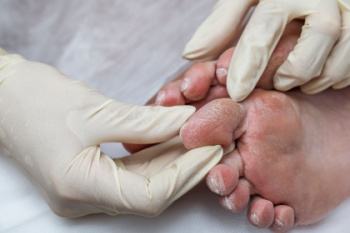
Preventing lower-limb amputations in people with diabetes involves diligent care and monitoring, especially for foot health. High blood sugar over time can lead to peripheral arterial disease, which reduces blood flow to the feet and makes it more difficult for wounds to heal. Additionally, nerve damage resulting from high blood sugar levels can reduce sensation, leading patients to miss injuries that can worsen and become ulcerated. Even a minor cut can develop into a severe infection if unnoticed or untreated. Regular foot exams by a podiatrist can help identify early signs of complications, such as sores, ulcers, or infections. Through specialized wound care and appropriate treatments, podiatrists play an essential role in helping to prevent problems that could lead to gangrene or ultimately amputation. Promptly addressing any concerns with a podiatrist can significantly reduce the risk of these serious complications. If you have problematic foot ulcers resulting from diabetes, it is suggested that you make regular appointments with a podiatrist.
Limb salvage can be an effective way in preventing the need for limb amputation. If you have diabetes, cancer, or any other condition that could lead to foot amputation if left unchecked, consult with David Mehl, DPM from New York. Our doctor will assess your condition and provide you with quality foot and ankle treatment.
What Is Limb Salvage?
Limb salvage is the attempt of saving a limb, such as the foot from amputation. Podiatrists also try to make sure that there is enough function in the foot after the salvage that it is still usable. Diabetes is the number one cause of non-traumatic amputations in the United States. Those with diabetes experience poor blood circulation, which prevents proper healing of an ulcer. If the ulcer is left uncheck, it could become infected, which could result in the need for amputation.
However, there are other causes as well, such as cancer and traumatic injury. Links between higher mortality rates and amputation have been found. This translates into higher healthcare costs, and a reduced quality of life and mobility for amputees. Podiatrists have attempted to increase the prevalence of limb salvage in an attempt to solve these issues.
Diagnosis and Treatment
Limb salvage teams have grown in recent years that utilize a number of different treatments to save the infected limb. This includes podiatrists that specialize in wound care, rehabilitation, orthotics, and surgery. Through a combination of these methods, limb salvage has been found to be an effective treatment for infected limbs, and as an alternative to amputation. Podiatrists will first evaluate the potential for limb salvage and determine if the limb can be saved or must be amputated.
If you have any questions, please feel free to contact our offices located in Forest Hills, and Brooklyn, NY . We offer the newest diagnostic and treatment technologies for all your foot care needs.
Tuesday, 19 November 2024 00:00
Comparing Sesamoiditis and Gout
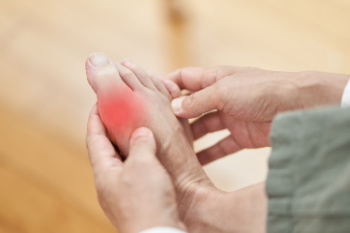
Gout and sesamoiditis are two distinct conditions that affect the big toe and can cause significant foot pain, but their causes, symptoms, and treatments vary greatly. Gout is an inflammatory arthritis triggered by uric acid crystals, frequently forming in the big toe joint. This can cause sudden, intense pain, warmth, and swelling. This painful condition is associated with risk factors like genetics, certain health issues, and a purine-rich diet. Treatment for gout includes medications to manage pain and prevent future attacks. In contrast, sesamoiditis is the inflammation of the tiny sesamoid bones and surrounding tendons at the base of the big toe. It typically occurs from overuse, especially activities that place stress on the ball of the foot, such as running or dancing. Sesamoiditis causes a dull ache that worsens with walking or bearing weight. A podiatrist can determine whether you have gout or sesamoiditis, and offer treatment options for either condition. If your big toe is in pain, it is suggested that you schedule an appointment with a podiatrist for a diagnosis and treatment.
Sesamoiditis is an unpleasant foot condition characterized by pain in the balls of the feet. If you think you’re struggling with sesamoiditis, contact David Mehl, DPM of New York. Our doctor will treat your condition thoroughly and effectively.
Sesamoiditis
Sesamoiditis is a condition of the foot that affects the ball of the foot. It is more common in younger people than it is in older people. It can also occur with people who have begun a new exercise program, since their bodies are adjusting to the new physical regimen. Pain may also be caused by the inflammation of tendons surrounding the bones. It is important to seek treatment in its early stages because if you ignore the pain, this condition can lead to more serious problems such as severe irritation and bone fractures.
Causes of Sesamoiditis
- Sudden increase in activity
- Increase in physically strenuous movement without a proper warm up or build up
- Foot structure: those who have smaller, bonier feet or those with a high arch may be more susceptible
Treatment for sesamoiditis is non-invasive and simple. Doctors may recommend a strict rest period where the patient forgoes most physical activity. This will help give the patient time to heal their feet through limited activity. For serious cases, it is best to speak with your doctor to determine a treatment option that will help your specific needs.
If you have any questions, please feel free to contact our offices located in Forest Hills, and Brooklyn, NY . We offer the newest diagnostic and treatment technologies for all your foot care needs.
Tuesday, 12 November 2024 00:00
Causes and Care of Foot Puncture Wounds
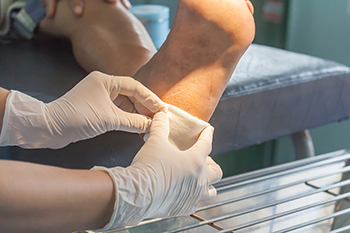
Puncture wounds to the foot can occur from various sources, often resulting in pain and potential complications. Common causes include stepping on sharp objects like nails, glass, or thorns while walking barefoot. These injuries can introduce bacteria deep into the skin, increasing the risk of infection. Immediate care for a puncture wound is critical. First, the area should be gently cleaned with soap and water to remove any debris. Applying an antiseptic can help prevent infection, followed by covering the wound with a sterile bandage. It is important to monitor the injury for signs of infection, such as increased redness, swelling, or discharge. Seeking medical attention may be necessary, especially if the wound is deep or if tetanus vaccinations are not up to date. If you have sustained a puncture wound in your foot, it is strongly suggested that you promptly contact a podiatrist who can offer you effective relief and treatment solutions.
Wound care is an important part in dealing with diabetes. If you have diabetes and a foot wound or would like more information about wound care for diabetics, consult with David Mehl, DPM from New York. Our doctor will assess your condition and provide you with quality foot and ankle treatment.
What Is Wound Care?
Wound care is the practice of taking proper care of a wound. This can range from the smallest to the largest of wounds. While everyone can benefit from proper wound care, it is much more important for diabetics. Diabetics often suffer from poor blood circulation which causes wounds to heal much slower than they would in a non-diabetic.
What Is the Importance of Wound Care?
While it may not seem apparent with small ulcers on the foot, for diabetics, any size ulcer can become infected. Diabetics often also suffer from neuropathy, or nerve loss. This means they might not even feel when they have an ulcer on their foot. If the wound becomes severely infected, amputation may be necessary. Therefore, it is of the upmost importance to properly care for any and all foot wounds.
How to Care for Wounds
The best way to care for foot wounds is to prevent them. For diabetics, this means daily inspections of the feet for any signs of abnormalities or ulcers. It is also recommended to see a podiatrist several times a year for a foot inspection. If you do have an ulcer, run the wound under water to clear dirt from the wound; then apply antibiotic ointment to the wound and cover with a bandage. Bandages should be changed daily and keeping pressure off the wound is smart. It is advised to see a podiatrist, who can keep an eye on it.
If you have any questions please contact our offices located in Forest Hills, and Brooklyn, NY . We offer the newest diagnostic and treatment technologies for all your foot and ankle needs.
Tuesday, 05 November 2024 00:00
Foot and Ankle Problems in Children
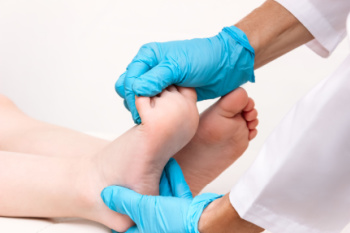
Toe, foot, and ankle problems in children often arise from acute or overuse injuries. Acute injuries happen suddenly, typically from accidents or falls during play or sports. Examples include sprained ankles, where the ligaments are overstretched or torn, and fractures, which involve broken bones in the foot or ankle. These injuries usually cause immediate pain, swelling, and difficulty walking or standing. Overuse injuries develop gradually from repetitive activities. Common examples in children include plantar fasciitis, Achilles tendonitis, and stress fractures, often resulting from sports that involve running or jumping. Wearing poor footwear, improper technique, or a sudden increase in activity can also contribute to these issues. Both types of injuries require appropriate care, from rest, and for more serious conditions, professional treatment by a podiatrist. If your child has sustained an injury to their ankles or feet that are not healing in a timely way, it is strongly suggested that you visit a podiatrist who can provide a proper diagnosis and treatment plans to prevent further complications, and ensure healthy development.
Making sure that your children maintain good foot health is very important as they grow. If you have any questions, contact David Mehl, DPM of New York. Our doctor can provide the care you need to keep you pain-free and on your feet.
Keeping Children's Feet Healthy
Having healthy feet during childhood can help prevent medical problems later in life, namely in the back and legs. As children grow, their feet require different types of care. Here are some things to consider...
Although babies do not walk yet, it is still very important to take care of their feet.
Avoid putting tight shoes or socks on his or her feet.
Allow the baby to stretch and kick his or her feet to feel comfortable.
As a toddler, kids are now on the move and begin to develop differently. At this age, toddlers are getting a feel for walking, so don’t be alarmed if your toddler is unsteady or ‘walks funny’.
As your child gets older, it is important to teach them how to take care of their feet.
Show them proper hygiene to prevent infections such as fungus.
Be watchful for any pain or injury.
Have all injuries checked by a doctor as soon as possible.
Comfortable, protective shoes should always be worn, especially at play.
If you have any questions, please feel free to contact our offices located in Forest Hills, and Brooklyn, NY . We offer the newest diagnostic and treatment technologies for all your foot care needs.
Blog Archives
- February 2026
- January 2026
- December 2025
- November 2025
- October 2025
- September 2025
- August 2025
- July 2025
- June 2025
- May 2025
- April 2025
- March 2025
- February 2025
- January 2025
- December 2024
- November 2024
- October 2024
- September 2024
- August 2024
- July 2024
- June 2024
- May 2024
- April 2024
- March 2024
- February 2024
- January 2024
- December 2023
- November 2023
- October 2023
- September 2023
- August 2023
- July 2023
- June 2023
- May 2023
- April 2023
- March 2023
- February 2023
- January 2023
