Connect With Us
Blog
Items filtered by date: February 2024
Tuesday, 27 February 2024 00:00
How to Manage a Broken Toe
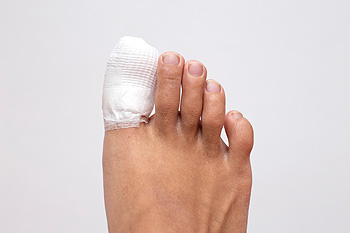
If you break your big toe, seeing a podiatrist can be helpful. This type of doctor will examine your toe to determine the extent of the injury. Depending on the severity, X-rays may be taken to see the extent of the fracture. The podiatrist can provide guidance on how to care for your broken toe properly. They can recommend resting the foot and elevating it to reduce swelling. In some cases, they may suggest buddy taping the broken toe to the adjacent one for support. If the fracture is severe or if the toe is misaligned, they may need to realign it or provide a splint to keep it in place. The podiatrist can also offer pain management techniques and advise on when it is safe to resume normal activities. If you believe you have fractured your big toe, it is suggested that you schedule an appointment with a podiatrist for a proper diagnosis and treatment that is deemed necessary.
A broken toe can be very painful and lead to complications if not properly fixed. If you have any concerns about your feet, contact David Mehl, DPM from New York. Our doctor will treat your foot and ankle needs.
What to Know About a Broken Toe
Although most people try to avoid foot trauma such as banging, stubbing, or dropping heavy objects on their feet, the unfortunate fact is that it is a common occurrence. Given the fact that toes are positioned in front of the feet, they typically sustain the brunt of such trauma. When trauma occurs to a toe, the result can be a painful break (fracture).
Symptoms of a Broken Toe
- Throbbing pain
- Swelling
- Bruising on the skin and toenail
- The inability to move the toe
- Toe appears crooked or disfigured
- Tingling or numbness in the toe
Generally, it is best to stay off of the injured toe with the affected foot elevated.
Severe toe fractures may be treated with a splint, cast, and in some cases, minor surgery. Due to its position and the pressure it endures with daily activity, future complications can occur if the big toe is not properly treated.
If you have any questions, please feel free to contact our offices located in Forest Hills, and Brooklyn, NY . We offer the newest diagnostic and treatment technologies for all your foot care needs.
Tuesday, 20 February 2024 00:00
What Can Cause an Ingrown Toenail?

An ingrown toenail occurs when the edge of the nail grows into the surrounding skin, leading to pain, swelling, and redness. This common condition typically affects the big toe and can result from various factors. Improper nail trimming, such as cutting nails too short or rounding the edges, increases the risk of ingrown toenails by encouraging the nail to grow into the skin. Wearing tight or ill-fitting shoes can also exert pressure on the toes, causing the nail to grow abnormally and become ingrown. Additionally, injury or trauma to the toe, such as stubbing or repetitive pressure, can disrupt nail growth patterns and contribute to ingrown toenails. Individuals with curved or unusually shaped nails may be more susceptible to this condition. Poor foot hygiene and fungal infections further exacerbate the risk of ingrown toenails. If you have symptoms of an ingrown toenail, it is suggested that you schedule an appointment with a podiatrist who can properly diagnose this condition, and offer appropriate treatment solutions.
Ingrown toenails can become painful if they are not treated properly. For more information about ingrown toenails, contact David Mehl, DPM of New York. Our doctor can provide the care you need to keep you pain-free and on your feet.
Ingrown Toenails
Ingrown toenails occur when a toenail grows sideways into the bed of the nail, causing pain, swelling, and possibly infection.
Causes
- Bacterial infections
- Improper nail cutting such as cutting it too short or not straight across
- Trauma to the toe, such as stubbing, which causes the nail to grow back irregularly
- Ill-fitting shoes that bunch the toes too close together
- Genetic predisposition
Prevention
Because ingrown toenails are not something found outside of shoe-wearing cultures, going barefoot as often as possible will decrease the likeliness of developing ingrown toenails. Wearing proper fitting shoes and using proper cutting techniques will also help decrease your risk of developing ingrown toenails.
Treatment
Ingrown toenails are a very treatable foot condition. In minor cases, soaking the affected area in salt or antibacterial soaps will not only help with the ingrown nail itself, but also help prevent any infections from occurring. In more severe cases, surgery is an option. In either case, speaking to your podiatrist about this condition will help you get a better understanding of specific treatment options that are right for you.
If you have any questions, please feel free to contact our offices located in Forest Hills, and Brooklyn, NY . We offer the newest diagnostic and treatment technologies for all your foot care needs.
Tuesday, 13 February 2024 00:00
How Neuropathy Contributes to Chronic Ankle Pain
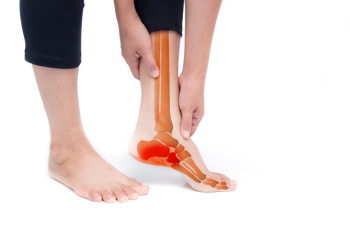 Neuropathy, a condition involving damaged or dysfunctional nerves, can cause chronic ankle pain. Neuropathy may occur after an ankle injury or surgery. When the nerves responsible for transmitting signals from the feet to the brain are affected, it can cause altered sensations and heightened pain responses. Peripheral neuropathy, where the nerves outside the brain and spinal cord are affected, is common in people with Type 2 diabetes. They may experience lessened ability to perceive pain, especially in the feet and lower legs, because persistently high blood sugar damages nerves. Neuropathy can also lead to muscle weakness, which puts patients at increased risk of injury to the ankles. If you’re experiencing chronic ankle pain, it is suggested you consult with a podiatrist who can diagnose the source of the pain and offer treatment options for conditions like neuropathy.
Ankle pain can have many different causes and the pain may potentially be serious. If you have ankle pain, consult with David Mehl, DPM from New York. Our doctor will assess your condition and provide you with quality foot and ankle treatment.
Ankle pain is any condition that causes pain in the ankle. Due to the fact that the ankle consists of tendons, muscles, bones, and ligaments, ankle pain can come from a number of different conditions.
Causes
The most common causes of ankle pain include:
- Types of arthritis (rheumatoid, osteoarthritis, and gout)
- Ankle sprains
- Broken ankles
- Achilles tendinitis
- Achilles tendon rupture
- Stress fractures
- Tarsal tunnel syndrome
- Plantar fasciitis
Symptoms
Symptoms of ankle injury vary based upon the condition. Pain may include general pain and discomfort, swelling, aching, redness, bruising, burning or stabbing sensations, and/or loss of sensation.
Diagnosis
Due to the wide variety of potential causes of ankle pain, podiatrists will utilize a number of different methods to properly diagnose ankle pain. This can include asking for personal and family medical histories and of any recent injuries. Further diagnosis may include sensation tests, a physical examination, and potentially x-rays or other imaging tests.
Treatment
Just as the range of causes varies widely, so do treatments. Some more common treatments are rest, ice packs, keeping pressure off the foot, orthotics and braces, medication for inflammation and pain, and surgery.
If you have any questions please feel free to contact our offices located in Forest Hills, and Brooklyn, NY . We offer the newest diagnostic tools and technology to treat your foot and ankle needs.
Tuesday, 06 February 2024 00:00
Facts About Peripheral Neuropathy

Peripheral neuropathy, commonly associated with diabetes, is nerve damage that primarily affects the extremities, especially the feet and legs. Symptoms of peripheral neuropathy include burning, tingling, numbness, pain, and weakness. These often worsen at night and lead to balance issues and difficulty walking. Peripheral neuropathy can increase the risk of foot problems, such as blisters and sores, that go unnoticed. This can result in severe infections, ulcers, or even loss of limb if left untreated. Diagnosis by a podiatrist involves medical history, physical examination, and tests like neurological exams and foot sensation assessments. Prevention entails meticulous diabetes management, regular foot care, and prompt treatment of any foot issues. Collaboration with healthcare professionals, especially a podiatrist, is vital for effective management of peripheral neuropathy. In order to improve and preserve foot health, it is suggested that you are under the care of a podiatrist who is medically trained to treat this condition.
Neuropathy
Neuropathy can be a potentially serious condition, especially if it is left undiagnosed. If you have any concerns that you may be experiencing nerve loss in your feet, consult with David Mehl, DPM from New York. Our doctor will assess your condition and provide you with quality foot and ankle treatment for neuropathy.
What Is Neuropathy?
Neuropathy is a condition that leads to damage to the nerves in the body. Peripheral neuropathy, or neuropathy that affects your peripheral nervous system, usually occurs in the feet. Neuropathy can be triggered by a number of different causes. Such causes include diabetes, infections, cancers, disorders, and toxic substances.
Symptoms of Neuropathy Include:
- Numbness
- Sensation loss
- Prickling and tingling sensations
- Throbbing, freezing, burning pains
- Muscle weakness
Those with diabetes are at serious risk due to being unable to feel an ulcer on their feet. Diabetics usually also suffer from poor blood circulation. This can lead to the wound not healing, infections occurring, and the limb may have to be amputated.
Treatment
To treat neuropathy in the foot, podiatrists will first diagnose the cause of the neuropathy. Figuring out the underlying cause of the neuropathy will allow the podiatrist to prescribe the best treatment, whether it be caused by diabetes, toxic substance exposure, infection, etc. If the nerve has not died, then it’s possible that sensation may be able to return to the foot.
Pain medication may be issued for pain. Electrical nerve stimulation can be used to stimulate nerves. If the neuropathy is caused from pressure on the nerves, then surgery may be necessary.
If you have any questions, please feel free to contact our offices located in Forest Hills, and Brooklyn, NY . We offer the newest diagnostic and treatment technologies for all your foot care needs.
Blog Archives
- February 2026
- January 2026
- December 2025
- November 2025
- October 2025
- September 2025
- August 2025
- July 2025
- June 2025
- May 2025
- April 2025
- March 2025
- February 2025
- January 2025
- December 2024
- November 2024
- October 2024
- September 2024
- August 2024
- July 2024
- June 2024
- May 2024
- April 2024
- March 2024
- February 2024
- January 2024
- December 2023
- November 2023
- October 2023
- September 2023
- August 2023
- July 2023
- June 2023
- May 2023
- April 2023
- March 2023
- February 2023
- January 2023
