Connect With Us
Blog
Items filtered by date: July 2025
Tuesday, 29 July 2025 00:00
Peripheral Artery Disease and the Feet
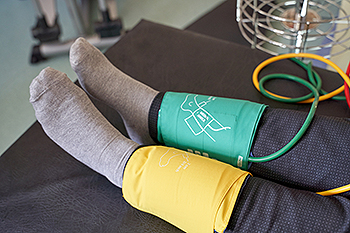
Peripheral artery disease, or PAD, is a condition where the arteries that carry blood to the legs and feet become narrowed by a buildup of fatty deposits. This limits blood flow, especially when walking. A common symptom of peripheral artery disease is cramping or aching in the calves after a short distance, which usually stops with rest. This happens because the muscles are not getting enough oxygen-rich blood. People with PAD may also notice slower toenail growth, less hair on the lower legs, or feet that feel cool to the touch. In more serious cases, pain can develop in the feet even at rest, particularly at night, and sores may appear on the toes or feet due to poor blood supply. A podiatrist can check for weak blood flow in the feet and may use a simple ankle pressure test to help diagnose the problem. If you are experiencing circulation problems affecting the feet, it is suggested that you schedule an appointment with a podiatrist for an exam and appropriate treatment options.
Peripheral artery disease can pose a serious risk to your health. It can increase the risk of stroke and heart attack. If you have symptoms of peripheral artery disease, consult with David Mehl, DPM from New York. Our doctor will assess your condition and provide you with quality foot and ankle treatment.
Peripheral artery disease (PAD) is when arteries are constricted due to plaque (fatty deposits) build-up. This results in less blood flow to the legs and other extremities. The main cause of PAD is atherosclerosis, in which plaque builds up in the arteries.
Symptoms
Symptoms of PAD include:
- Claudication (leg pain from walking)
- Numbness in legs
- Decrease in growth of leg hair and toenails
- Paleness of the skin
- Erectile dysfunction
- Sores and wounds on legs and feet that won’t heal
- Coldness in one leg
It is important to note that a majority of individuals never show any symptoms of PAD.
Diagnosis
While PAD occurs in the legs and arteries, Podiatrists can diagnose PAD. Podiatrists utilize a test called an ankle-brachial index (ABI). An ABI test compares blood pressure in your arm to you ankle to see if any abnormality occurs. Ultrasound and imaging devices may also be used.
Treatment
Fortunately, lifestyle changes such as maintaining a healthy diet, exercising, managing cholesterol and blood sugar levels, and quitting smoking, can all treat PAD. Medications that prevent clots from occurring can be prescribed. Finally, in some cases, surgery may be recommended.
If you have any questions, please feel free to contact our offices located in Forest Hills, and Brooklyn, NY . We offer the newest diagnostic and treatment technologies for all your foot care needs.
Tuesday, 22 July 2025 00:00
How Hiking Shoes and Boots Differ
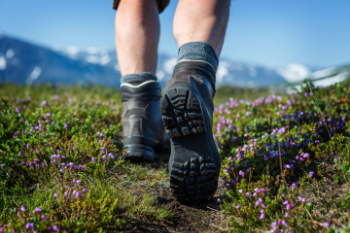
Hiking boots and hiking shoes differ in ways that directly affect foot support, comfort, and protection on the trail. Hiking shoes are typically low-cut and lightweight. They offer flexibility and breathability for shorter hikes on even terrain. Their soles provide moderate traction and cushioning, making them a practical choice for day hikes in warm, dry weather. In contrast, hiking boots are built for rugged trails and extended treks. They have a higher cut to support the ankles, deeper tread for grip on uneven ground, and reinforced materials that shield the foot from impact. The midsoles of hiking boots are denser and more structured, which .helps reduce fatigue and improve control. A podiatrist can assess your gait, arch type, and injury history to recommend the best shoe option for your needs. If you are experiencing foot pain after hiking, it is suggested that you schedule an appointment with a podiatrist for a diagnosis and guidance on appropriate footwear.
Ankle and foot injuries are common among athletes and in many sports. They can be caused by several problems and may be potentially serious. If you are feeling pain or think you were injured in a sporting event or when exercising, consult with David Mehl, DPM from New York. Our doctor will assess your condition and provide you with quality foot and ankle treatment.
Common Injuries
The most common injuries that occur in sporting activities include:
- Achilles Tendonitis
- Achilles Tendon Rupture
- Ankle Sprains
- Broken Foot
- Plantar Fasciitis
- Stress Fractures
- Turf Toe
Symptoms
Symptoms vary depending upon the injury and in some cases, there may be no symptoms at all. However, in most cases, some form of symptom is experienced. Pain, aching, burning, bruising, tenderness, tightness or stiffness, sensation loss, difficulty moving, and swelling are the most common symptoms.
Treatment
Just as symptoms vary depending upon the injury, so do treatment options. A common treatment method is known as the RICE method. This method involves rest, applying ice, compression and elevating the afflicted foot or ankle. If the injury appears to be more serious, surgery might be required, such as arthroscopic or reconstructive surgery. Lastly, rehabilitation or therapy might be needed to gain full functionality in the afflicted area. Any discomfort experienced by an athlete must be evaluated by a licensed, reputable medical professional.
If you have any questions please contact our offices located in Forest Hills, and Brooklyn, NY . We offer the newest diagnostic and treatment technologies for all your foot and ankle needs.
Tuesday, 15 July 2025 00:00
Understanding What May Cause Toe Pain
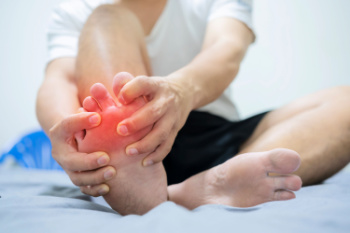
Toe pain can result from a number of conditions, ranging from minor injuries to more complex joint issues. Common causes include ingrown toenails, corns, calluses, or blisters from wearing ill-fitting shoes. Joint problems such as arthritis may lead to stiffness, swelling, or aching in one or more toes. Nerve issues like pinched nerves or neuromas can also trigger sharp or burning sensations. Repetitive pressure, especially during sports or long walks, may irritate soft tissue or lead to bruising beneath the nail. In some cases, deformities like bunions or hammertoes develop over time and begin to cause discomfort. The source of pain is not always obvious without a proper examination. If you are dealing with toe pain that does not improve, limits your movement, or keeps returning, it is suggested that you promptly see a podiatrist to identify the cause and explore effective treatment options.
Toe pain can disrupt your daily activities. If you have any concerns, contact David Mehl, DPM of New York. Our doctor can provide the care you need to keep you pain-free and on your feet.
What Causes Toe Pain?
Most severe toe pain is caused due to a sports injury, trauma from dropping something heavy on the toe, or bumping into something rigid. Other problems can develop over time for various reasons.
Toe pain can be caused by one or more ailments. The most common include:
- Trauma
- Sports injury
- Wearing shoes that are too tight
- Arthritis
- Gout
- Corns and calluses
- Hammertoe
- Bunions
- Blisters
- Ingrown toenails
- Sprains
- Fractures (broken bones)
- Dislocations
When to See a Podiatrist
- Severe pain
- Persistent pain that lasts more than a week
- Signs of infection
- Continued swelling
- Pain that prevents walking
Diagnosis
In many cases the cause of toe pain is obvious, but in others, a podiatrist may want to use more advanced methods to determine the problem. These can range from simple visual inspections and sensation tests to X-rays and MRI scans. Prior medical history, family medical history, and any recent physical traumatic events will all be taken into consideration for a proper diagnosis.
Treatment
Treatments for toe pain and injuries vary and may include shoe inserts, padding, taping, medicines, injections, and in some cases, surgery. If you believe that you have broken a toe, please see a podiatrist as soon as possible.
If you have any questions please contact our offices located in Forest Hills, and Brooklyn, NY . We offer the newest diagnostic and treatment technologies for all your foot and ankle needs.
Tuesday, 08 July 2025 00:00
The Importance of Wearing Safety Shoes at Work
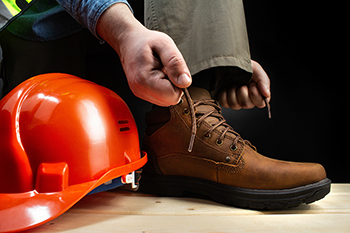
Wearing safety shoes during the workday is essential for protecting your feet from a variety of hazards. These shoes help prevent slips and falls by providing proper traction and reduce fatigue through cushioning and support. They also guard against sharp object penetration and shield your feet from harsh weather conditions. Choosing the right work shoes can make a significant difference in your comfort and safety. However, the use of improper footwear can lead to foot injuries, pain, or long-term problems. A podiatrist can assess foot injuries caused by wearing incorrect work shoes and recommend solutions, such as custom insoles or alternative footwear options. If you have injured your feet during your work day, it is suggested that you consult a podiatrist who can treat various foot conditions.
While working on the feet, it is important to take the proper care of them. For more information about working on your feet, contact David Mehl, DPM from New York. Our doctor will treat your foot and ankle needs.
Working on Your Feet
Standing on your feet for long periods of time can cause stress and pain in your feet. Your whole body may experience change in terms of posture, back pain, bunions, callouses and or plantar warts. There are ways to avoid these conditions with proper foot care, smart choices and correct posture.
Positive Changes
Negative heeled shoe – Choosing this shoe type places the heel slightly lower than the ball of the foot. These are great for overall foot health. Find shoes that fit you correctly.
Go barefoot – Our feet were not designed to be enclosed for all hours of the day. Try to periodically expose your feet to air.
Eliminate Pain
Foot Exercises – Performing simple exercises, incorporating yoga and doing stretches are beneficial. This will allow increased blood flow to the area and muscles of the foot.
Achilles tendon – Stretching the foot out flat on the floor will relax the calf muscles and tendon. These exercises can be performed almost anywhere. Make sure you add these exercises to your daily regimen.
With a little bit of this information and knowing more about foot health, you will notice changes. Foot stretches and proper footwear will help with pain and prevent further issues.
If you have any questions please contact our offices located in Forest Hills, and Brooklyn, NY . We offer the newest diagnostic and treatment technologies for all your foot and ankle needs.
Tuesday, 01 July 2025 00:00
Podiatrist Care for Sever’s Disease
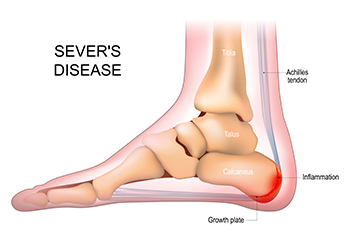
Sever's disease is a common cause of heel pain in children between 8 and 12 years old, especially those active in sports. It occurs when the growth plate in the heel becomes inflamed due to repetitive stress or pressure. Causes include increased physical activity, tight calf muscles, and rapid growth during puberty. Risk factors include participation in running or jumping sports and wearing improper footwear. Symptoms often include heel pain, tenderness, limping, and stiffness after activity. A podiatrist can evaluate the condition through a physical exam and recommend treatments such as rest, stretching exercises, and supportive footwear. If your child is experiencing persistent heel pain, it is suggested that you consult a podiatrist for a proper diagnosis and a personalized care plan to relieve discomfort and support healthy growth.
Sever's disease often occurs in children and teens. If your child is experiencing foot or ankle pain, see David Mehl, DPM from New York. Our doctor can treat your child’s foot and ankle needs.
Sever’s Disease
Sever’s disease is also known as calcaneal apophysitis, which is a medical condition that causes heel pain I none or both feet. The disease is known to affect children between the ages of 8 and 14.
Sever’s disease occurs when part of the child’s heel known as the growth plate (calcaneal epiphysis) is attached to the Achilles tendon. This area can suffer injury when the muscles and tendons of the growing foot do not keep pace with bone growth. Therefore, the constant pain which one experiences at the back of the heel will make the child unable to put any weight on the heel. The child is then forced to walk on their toes.
Symptoms
Acute pain – Pain associated with Sever’s disease is usually felt in the heel when the child engages in physical activity such as walking, jumping and or running.
Highly active – Children who are very active are among the most susceptible in experiencing Sever’s disease, because of the stress and tension placed on their feet.
If you have any questions, please feel free to contact our offices located in Forest Hills, and Brooklyn, NY . We offer the newest diagnostic and treatment technologies for all your foot care needs.
Blog Archives
- February 2026
- January 2026
- December 2025
- November 2025
- October 2025
- September 2025
- August 2025
- July 2025
- June 2025
- May 2025
- April 2025
- March 2025
- February 2025
- January 2025
- December 2024
- November 2024
- October 2024
- September 2024
- August 2024
- July 2024
- June 2024
- May 2024
- April 2024
- March 2024
- February 2024
- January 2024
- December 2023
- November 2023
- October 2023
- September 2023
- August 2023
- July 2023
- June 2023
- May 2023
- April 2023
- March 2023
- February 2023
- January 2023
