Connect With Us
Blog
Items filtered by date: January 2025
Tuesday, 28 January 2025 00:00
Ankle Impingement Explained
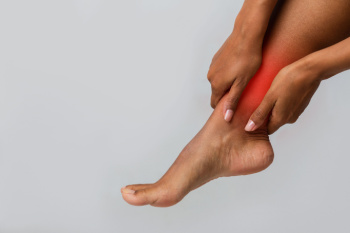
Ankle impingement occurs when soft tissues, such as ligaments or tendons, become pinched between the bones of the ankle joint, leading to pain and restricted movement. This condition often develops due to repetitive ankle use or trauma, such as a sprain, making it common among athletes, dancers, and individuals with occupations requiring repetitive ankle motion. People with ankle impingement typically feel a sharp, localized pain at the front or back of the ankle. The pain may worsen with certain movements, like deep squats, running, or jumping. Stiffness, swelling, and a clicking sensation might also accompany the discomfort. Diagnosing ankle impingement involves a physical exam, patient history, and imaging like X-rays or MRI scans to identify structural changes. Treatment ranges from rest and targeted exercises to cortisone injections or, in severe cases, surgery to relieve the pressure and restore mobility. If you have ankle pain, it is suggested that you schedule an appointment with a podiatrist for a proper diagnosis and treatment.
Ankle pain can be caused by a number of problems and may be potentially serious. If you have ankle pain, consult with David Mehl, DPM from New York. Our doctor will assess your condition and provide you with quality foot and ankle treatment.
Ankle pain is any condition that causes pain in the ankle. Due to the fact that the ankle consists of tendons, muscles, bones, and ligaments, ankle pain can come from a number of different conditions.
Causes
The most common causes of ankle pain include:
- Types of arthritis (rheumatoid, osteoarthritis, and gout)
- Ankle sprains
- Broken ankles
- Achilles tendonitis
- Achilles tendon rupture
- Stress fractures
- Bursitis
- Tarsal tunnel syndrome
- Plantar fasciitis
Symptoms
Symptoms of ankle injury vary based upon the condition. Pain may include general pain and discomfort, swelling, aching, redness, bruising, burning or stabbing sensations, and/or loss of sensation.
Diagnosis
Due to the wide variety of potential causes of ankle pain, podiatrists will utilize a number of different methods to properly diagnose ankle pain. This can include asking for personal and family medical histories and of any recent injuries. Further diagnosis may include sensation tests, a physical examination, and potentially x-rays or other imaging tests.
Treatment
Just as the range of causes varies widely, so do treatments. Some more common treatments are rest, ice packs, keeping pressure off the foot, orthotics and braces, medication for inflammation and pain, and surgery.
If you have any questions please feel free to contact our offices located in Forest Hills, and Brooklyn, NY . We offer the newest diagnostic tools and technology to treat your foot and ankle needs.
Tuesday, 21 January 2025 00:00
Which Type of Cheerleading Shoes Are Best for You?

When choosing cheerleading shoes, athletes often face the decision between high-top and low-top styles. High-top cheer shoes provide additional ankle support, offering stability and reducing the risk of injuries during stunts or jumps. The extra coverage helps protect the ankle by limiting excessive movement, which can be beneficial for cheerleaders who frequently perform high-intensity routines. However, the added support can feel restrictive for some, potentially limiting flexibility. On the other hand, low-top cheer shoes are lighter and more flexible, allowing for greater freedom of movement. This can be ideal for athletes who prioritize agility and need to move quickly during routines. However, the lack of ankle support may increase the risk of twisting or rolling the ankle, especially during complex stunts. Both types of shoes have their benefits, and the choice ultimately depends on the athlete’s needs for support versus flexibility. If you or your child has sustained a foot injury while cheerleading, it is suggested that you consult a podiatrist who can treat various foot and ankle conditions.
Finding a properly-fitting shoe is important in reducing injuries and preventing foot problems. For more information about treatment, contact David Mehl, DPM from New York. Our doctor will treat your foot and ankle needs.
Proper Shoe Fitting
A common concern when it comes to foot health, having properly fitted shoes can help prevent injuries to the foot. Out feet affect our posture and gait, which in turn affects the biomechanics and overall bodily structure. With 33 joints, 26 bones, and over 100 ligaments, the potential for serious injury is much greater than one realizes. Although the feet cease growth in adulthood, they still change shape as they mature. Here are some factors to consider when it comes to investing in proper fitting shoes:
- Be sure the shoes fit correctly right away
- Ensure the ball of your foot fits comfortably in the widest portion of the shoes
- Even though they may look fashionable, improper fitting shoes can either create adverse conditions or exacerbate existing ones you may already have
- Walk along a carpeted surface to ensure the shoes comfortably fit during normal activity
Keeping in mind how shoes fit the biomechanics of your body, properly-fitting shoes are vitally important. Fortunately, it is not difficult to acquire footwear that fits correctly. Be sure to wear shoes that support the overall structure of your body. Do your feet a favor and invest in several pairs of well-fitted shoes today.
If you have any questions, please feel free to contact our offices located in Forest Hills, and Brooklyn, NY . We offer the newest diagnostic and treatment technologies for all your foot care needs.
Tuesday, 14 January 2025 00:00
What Is Sesamoiditis?
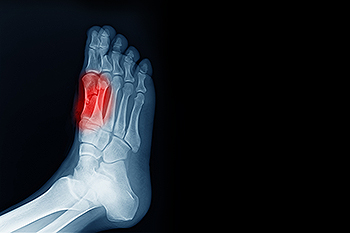
Sesamoiditis is a type of tendonitis that affects the two sesamoid bones that are located beneath the big toe joint. This condition occurs when the tendons surrounding these bones become inflamed, typically due to overuse or repetitive pressure. Symptoms of sesamoiditis include pain beneath the big toe, swelling, and tenderness, especially when walking, running, or bearing weight on the affected foot. You may also have trouble moving the toe or experience discomfort when wearing shoes. The primary cause of sesamoiditis includes activities that place repetitive pressure on the big toe, such as running, ballet, or jumping. Wearing ill-fitting shoes or high heels can also contribute to the condition. A podiatrist can help diagnose sesamoiditis through physical exams and imaging. Treatments may include rest, anti-inflammatory medications, custom orthotics to relieve pressure, or specific exercises to strengthen the foot. In severe cases, corticosteroid injections or surgery may be considered. If you have any of the above symtpoms, it is suggested that you schedule an appointment with a podiatrist.
Sesamoiditis is an unpleasant foot condition characterized by pain in the balls of the feet. If you think you’re struggling with sesamoiditis, contact David Mehl, DPM of New York. Our doctor will treat your condition thoroughly and effectively.
Sesamoiditis
Sesamoiditis is a condition of the foot that affects the ball of the foot. It is more common in younger people than it is in older people. It can also occur with people who have begun a new exercise program, since their bodies are adjusting to the new physical regimen. Pain may also be caused by the inflammation of tendons surrounding the bones. It is important to seek treatment in its early stages because if you ignore the pain, this condition can lead to more serious problems such as severe irritation and bone fractures.
Causes of Sesamoiditis
- Sudden increase in activity
- Increase in physically strenuous movement without a proper warm up or build up
- Foot structure: those who have smaller, bonier feet or those with a high arch may be more susceptible
Treatment for sesamoiditis is non-invasive and simple. Doctors may recommend a strict rest period where the patient forgoes most physical activity. This will help give the patient time to heal their feet through limited activity. For serious cases, it is best to speak with your doctor to determine a treatment option that will help your specific needs.
If you have any questions, please feel free to contact our offices located in Forest Hills, and Brooklyn, NY . We offer the newest diagnostic and treatment technologies for all your foot care needs.
Tuesday, 07 January 2025 00:00
What Happens to an Untreated Corn
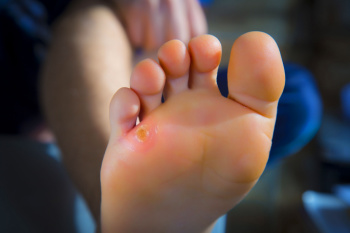
A corn is a thickened, hardened area of skin that forms on the foot due to pressure or friction. If left untreated, a corn can become painful, inflamed, and prone to infection. The symptoms of an untreated corn typically include tenderness, redness, and swelling surrounding the affected area. Over time, corns may become larger making it difficult to wear shoes comfortably. The main causes of corns include wearing ill-fitting shoes that do not provide enough support, excessive pressure from walking or standing, and abnormal foot mechanics like a misalignment of the toes. Untreated corns can lead to complications such as infections, especially if the skin becomes cracked. Corns can be painful. If you have developed a corn, it is suggested that you schedule an appointment with a podiatrist who can offer appropriate relief and treatment methods.
If you have any concerns regarding your feet and ankles, contact David Mehl, DPM of New York. Our doctor will treat your foot and ankle needs.
Corns: What Are They? and How Do You Get Rid of Them?
Corns can be described as areas of the skin that have thickened to the point of becoming painful or irritating. They are often layers and layers of the skin that have become dry and rough, and are normally smaller than calluses.
Ways to Prevent Corns
There are many ways to get rid of painful corns such as wearing:
- Well-fitting socks
- Comfortable shoes that are not tight around your foot
- Shoes that offer support
Treating Corns
Treatment of corns involves removing the dead skin that has built up in the specific area of the foot. Consult with Our doctor to determine the best treatment option for your case of corns.
If you have any questions, please feel free to contact our offices located in Forest Hills, and Brooklyn, NY . We offer the newest diagnostic and treatment technologies for all your foot care needs.
Blog Archives
- February 2026
- January 2026
- December 2025
- November 2025
- October 2025
- September 2025
- August 2025
- July 2025
- June 2025
- May 2025
- April 2025
- March 2025
- February 2025
- January 2025
- December 2024
- November 2024
- October 2024
- September 2024
- August 2024
- July 2024
- June 2024
- May 2024
- April 2024
- March 2024
- February 2024
- January 2024
- December 2023
- November 2023
- October 2023
- September 2023
- August 2023
- July 2023
- June 2023
- May 2023
- April 2023
- March 2023
- February 2023
- January 2023
