
Recognizing Sever’s Disease in Children

Sever’s disease is a common cause of heel pain in growing children and teens. It develops when the growth plate in the heel becomes swollen and irritated. A growth plate is an area of cartilage near the end of a bone where much of its growth occurs. Because this area is weaker than mature bone, it can be more vulnerable to injury. Sever’s disease typically occurs during the growth spurt of puberty, often between ages nine and 14. Heel pain or tenderness may affect one or both feet. Swelling, redness, and stiffness can also occur, and some children may limp because of discomfort.


During a growth spurt, bones and surrounding soft tissues may grow at different rates. Muscles and tendons can become tight and pull on the heel’s growth plate. Running and jumping can place additional stress on this area, leading to irritation and pain. For this reason, Sever’s disease is often seen in active children who participate in sports, especially activities performed on hard surfaces. Symptoms generally become worse during or after physical activity. Less commonly, prolonged standing can place constant pressure on the heel and contribute to the condition.


A podiatrist can evaluate a child’s heel pain and determine whether Sever’s disease may be responsible. Diagnosis usually involves discussing the child’s activities and carefully examining the heel. X-rays do not show Sever’s disease itself, but they may sometimes be used to rule out other causes of heel pain. Podiatric treatment may include supportive shoe inserts or a walking boot, when appropriate. More severe or persistent symptoms may require additional treatment. Fortunately, Sever’s disease usually improves without causing lasting problems, and it no longer occurs once the heel’s growth plate finishes developing. If your child has persistent heel pain that affects walking or sports participation, it is suggested that you consult a podiatrist for an evaluation and appropriate treatment options.

Sever's disease often occurs in children and teens. If your child is experiencing foot or ankle pain, see David Mehl, DPM from New York. Our doctor can treat your child’s foot and ankle needs.

Sever’s Disease

Sever’s disease is also known as calcaneal apophysitis, which is a medical condition that causes heel pain I none or both feet. The disease is known to affect children between the ages of 8 and 14.

Sever’s disease occurs when part of the child’s heel known as the growth plate (calcaneal epiphysis) is attached to the Achilles tendon. This area can suffer injury when the muscles and tendons of the growing foot do not keep pace with bone growth. Therefore, the constant pain which one experiences at the back of the heel will make the child unable to put any weight on the heel. The child is then forced to walk on their toes.

Symptoms

Acute pain – Pain associated with Sever’s disease is usually felt in the heel when the child engages in physical activity such as walking, jumping and or running.

Highly active – Children who are very active are among the most susceptible in experiencing Sever’s disease, because of the stress and tension placed on their feet.

If you have any questions, please feel free to contact our offices located in Forest Hills, and Brooklyn, NY . We offer the newest diagnostic and treatment technologies for all your foot care needs.

Read more about Sever's Disease

What Causes Toenail Fungus?

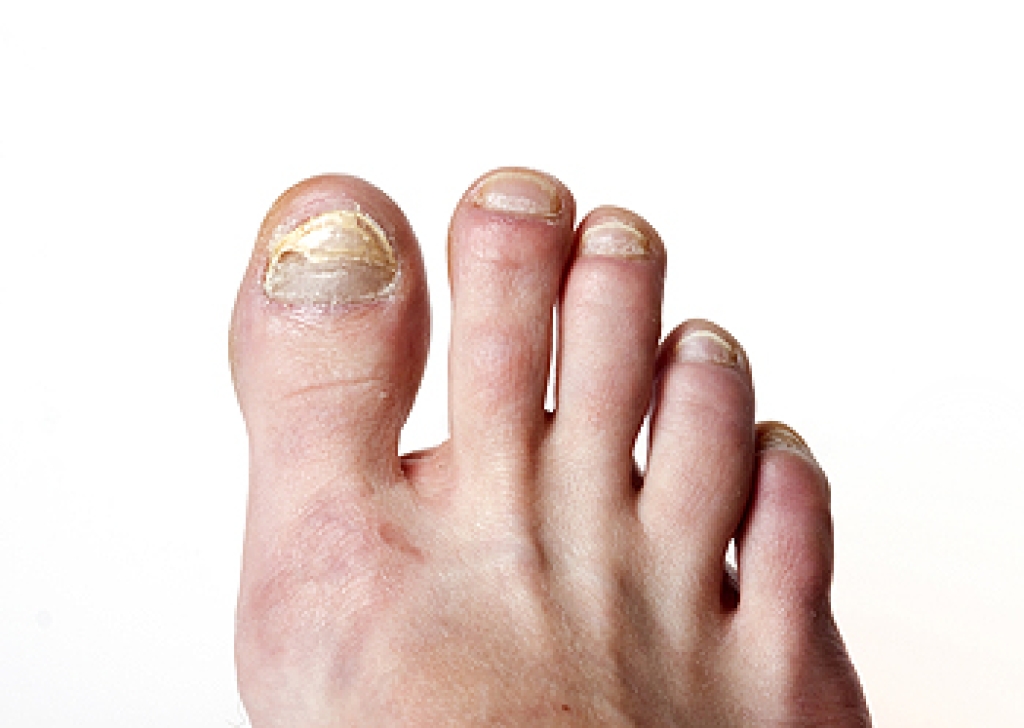
Toenail fungus, known as onychomycosis, affects the toenails. It develops when fungi enter through cracks in the nail or skin. Infection can cause nails to become thick, brittle, discolored, or misshapen. Affected nails may appear yellow, white, or brown and sometimes develop an odor. As the infection progresses, pain or tenderness may develop, especially when shoes place pressure on the toe. Thickened nails can become difficult to cut and maintain.

Several factors can increase the risk of developing toenail fungus. Warm, damp environments create conditions where fungi thrive. Sweaty feet and wearing closed shoes can increase moisture around the nails. Walking barefoot in shared showers, gyms, or locker rooms can increase exposure. Previous toenail injuries may provide an opening for infection. Poor circulation and certain chronic health conditions can increase vulnerability. Keeping feet clean and dry can help lower the risk.

A podiatrist can diagnose toenail fungus by examining the affected nail and skin while reviewing your symptoms and history. In some cases, a small nail clipping or scraping is sent for laboratory testing to confirm the infection and identify the fungus. Treatment depends on the severity and type of infection. Options may include professional nail trimming or thinning, prescription antifungal medication, or laser therapy. Because toenails grow slowly, recovery requires patience and consistent treatment.

Early evaluation can help prevent toenail fungus from becoming more severe or difficult to manage. If you notice changes in nail color, thickness, or shape, a podiatrist can determine whether fungus is responsible or whether another condition is causing the changes. Podiatric care can provide an accurate diagnosis, appropriate treatment, and ongoing monitoring as healthy nail growth occurs. If you have symptoms of toenail fungus, it is suggested that you consult a podiatrist for evaluation and treatment.

If left untreated, toenail fungus may spread to other toenails, skin, or even fingernails. If you suspect you have toenail fungus it is important to seek treatment right away. For more information about treatment, contact David Mehl, DPM of New York. Our doctor can provide the care you need to keep you pain-free and on your feet.

Symptoms

  • Warped or oddly shaped nails
  • Yellowish nails
  • Loose/separated nail
  • Buildup of bits and pieces of nail fragments under the nail
  • Brittle, broken, thickened nail

Treatment

If self-care strategies and over-the-counter medications does not help your fungus, your podiatrist may give you a prescription drug instead. Even if you find relief from your toenail fungus symptoms, you may experience a repeat infection in the future.

Prevention

In order to prevent getting toenail fungus in the future, you should always make sure to wash your feet with soap and water. After washing, it is important to dry your feet thoroughly especially in between the toes. When trimming your toenails, be sure to trim straight across instead of in a rounded shape. It is crucial not to cover up discolored nails with nail polish because that will prevent your nail from being able to “breathe”.

In some cases, surgical procedure may be needed to remove the toenail fungus. Consult with your podiatrist about the best treatment options for your case of toenail fungus.  

If you have any questions please contact our offices located in Forest Hills, and Brooklyn, NY . We offer the newest diagnostic and treatment technologies for all your foot and ankle needs.

Read more about How to Treat Your Toenail Fungus

Get Professional Care for a Broken Foot or Ankle

Constant care and regular evaluation are important for a foot or ankle fracture. If left untreated, foot or ankle fractures can worsen over time and create more serious problems.

Don't wait to be examined if you believe you've experienced a foot or ankle fracture.

Podiatric Care Can Relieve Plantar Fasciitis Pain

Plantar fasciitis develops when the thick band of tissue along the bottom of the foot becomes irritated. This tissue, called the plantar fascia, connects the heel bone to the toes and helps support the arch. The condition usually causes a sharp or aching pain near the heel. Pain is frequently strongest with the first steps after getting out of bed or standing after a long rest. It can ease after several minutes of movement, then return after extended standing or activity. The discomfort can change the way a person walks, which can place extra strain on the foot and ankle.

Repeated stress on the plantar fascia is a major cause of this condition. Running, prolonged standing, and a sudden increase in activity can strain the tissue. Additional risk factors include tight calf muscles, flat feet, and high arches. Wearing shoes that lack proper support can also place greater pressure on the heel and arch. Because heel pain has several possible causes, an accurate diagnosis is important. Ignoring persistent symptoms can make normal movement harder and interfere with work, exercise, or performing daily tasks.

A podiatrist can examine the foot, review when the pain occurs, and assess the patient's walking pattern. X-rays or other imaging tests can help rule out a fracture, a bone spur, or another cause of heel pain. Treatment options include custom orthotics to improve support, a night splint to gently stretch the plantar fascia, or a removable walking boot to reduce pressure. A podiatrist may also recommend targeted stretching exercises and changes to shoes or activities. For stubborn pain, advanced treatments can promote healing in the damaged tissue. Surgery is considered only when symptoms remain severe after other treatments have failed. If you have heel pain, it is suggested that you schedule an appointment with a podiatrist who can accurately diagnose and treat plantar fasciitis. 

A plantar fibroma may disrupt your daily activities. If you have any concerns, contact David Mehl, DPM of New York. Our doctor can provide the care you need to keep you pain-free and on your feet.

Plantar Fibroma

A plantar fibroma is a fibrous knot in the arch of the foot. It is embedded in the plantar fascia which is a band of tissue that extends from the heel to the toes along the bottom of the foot. There can be multiple plantar fibromas in the feet at the same time. There are no known causes for this condition. If you have a plantar fibroma, there will be a bump in the arch of your foot that cannot be missed. Any associated pain is most often due to a shoe rubbing against the nodule. Non-surgical options, such as steroid injections, physical therapy, and orthotics should be tried first. Surgery is a last resort and is the only thing that will remove a plantar fibroma entirely. Consult with a podiatrist for a proper diagnosis and to determine the treatment regimen that is right for you.

What Causes a Plantar Fibroma?

While there are no specific causes identified, a plantar fibroma can possibly come from genetic predisposition or the formation of scar tissue that forms from healing the tears in the plantar fascia.

What Are the Symptoms of a Plantar Fibroma?

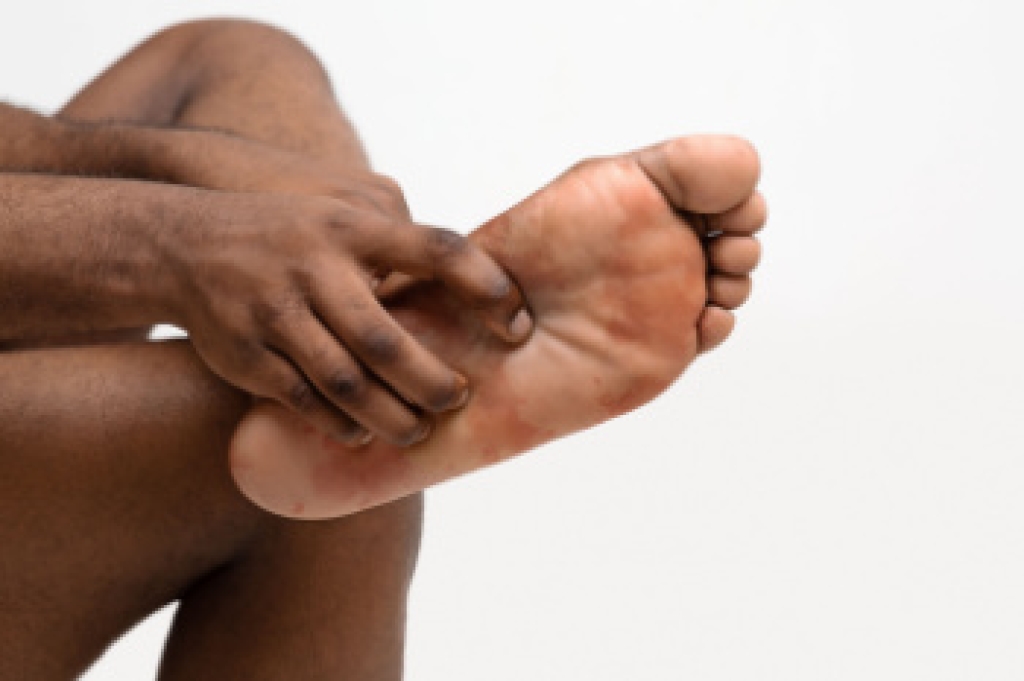
There will be a noticeable lump in the arch of the foot that may or may not cause pain. If pain is felt, it is typically because a shoe is rubbing up against the lump or when walking or standing barefoot.

Treatment and Prevention

A plantar fibroma will not disappear without treatment, but it can get smaller and be a non-issue. If pain persists, a podiatrist examines the foot and when the arch of the foot is pressed, pain can be felt down to the toes. An MRI or biopsy might be performed to help diagnose or evaluate the plantar fibroma. The following non-surgical options are generally enough to reduce the size and pain of these nodules:

  • Steroid injections
  • Orthotics
  • Physical therapy to help apply anti-inflammatory creams on the bump 

Surgery is considered if the mass increases in size and the patient continues to feel pain after non-surgical methods are tried.

If you have any questions, please feel free to contact our offices located in Forest Hills, and Brooklyn, NY . We offer the newest diagnostic and treatment technologies for all your foot care needs.
Read more about Plantar Fibroma

Midfoot Pain Could Signal a Lisfranc Injury

Lisfranc injuries affect the middle part of the foot, where the long bones connect with a group of small bones that help create a stable arch. Strong bands of tissue hold these bones together and keep the foot steady while walking and standing. A Lisfranc injury happens when these joints or supporting ligaments are damaged. The injury ranges from a stretched ligament to broken bones and joints that shift out of place. Because the damage occurs deep in the midfoot, it is sometimes mistaken for a simple sprain. A delayed diagnosis can lead to lasting pain and difficulty using the foot normally.

Such injuries often occur after a forceful twist of the foot or a direct blow. Falls, sports injuries, and motor vehicle accidents are frequent causes. Athletes who run, jump, or change direction quickly face a greater risk. Symptoms include pain in the middle of the foot, swelling, and bruising. Many patients struggle to put weight on the injured foot. Pain often becomes worse while walking or when pushing off the foot. The middle of the foot can also feel unstable. A podiatrist can examine the injured foot and check for tenderness, swelling, and changes in alignment. Weight-bearing X-rays usually provide important information. Advanced imaging, like CT or MRI scans, gives a clearer view when the injury is difficult to confirm.

A podiatrist determines whether the bones remain in their proper position or have shifted. Stable injuries sometimes heal without surgery. More serious Lisfranc injuries may require surgery to restore normal alignment. Prompt diagnosis and proper treatment help reduce the risk of long-term problems, including painful arthritis in the injured joints. Follow-up visits allow the podiatrist to monitor healing and determine when the foot is ready for increased activity. If you have symptoms of a Lisfranc injury, it is suggested that you schedule an appointment with a podiatrist for appropriate treatment solutions.

Foot and ankle trauma is common among athletes and the elderly. If you have concerns that you may have experienced trauma to the foot and ankle, consult with David Mehl, DPM from New York. Our doctor will assess your condition and provide you with quality foot and ankle treatment.

Foot and ankle trauma cover a range of injuries all over the foot; common injuries include:

  • Broken bones
  • Muscle strains
  • Injuries to the tendons and ligaments
  • Stress fractures

Symptoms

Symptoms of foot and ankle injuries vary depending on the injury, but more common ones include:

  • Bruising
  • Inflammation/ Swelling
  • Pain

Diagnosis

To properly diagnose the exact type of injury, podiatrists will conduct a number of different tests. Some of these include sensation and visual tests, X-rays, and MRIs. Medical and family histories will also be taken into account.

Treatment

Once the injury has been diagnosed, the podiatrist can than offer the best treatment options for you. In less severe cases, rest and keeping pressure off the foot may be all that’s necessary. Orthotics, such as a specially made shoes, or immobilization devices, like splints or casts, may be deemed necessary. Finally, if the injury is severe enough, surgery may be necessary.

If you have any questions, please feel free to contact our offices located in Forest Hills, and Brooklyn, NY . We offer the newest diagnostic and treatment technologies for all your foot care needs.

Read more about Foot and Ankle Trauma

Connect With Us

scroll to top