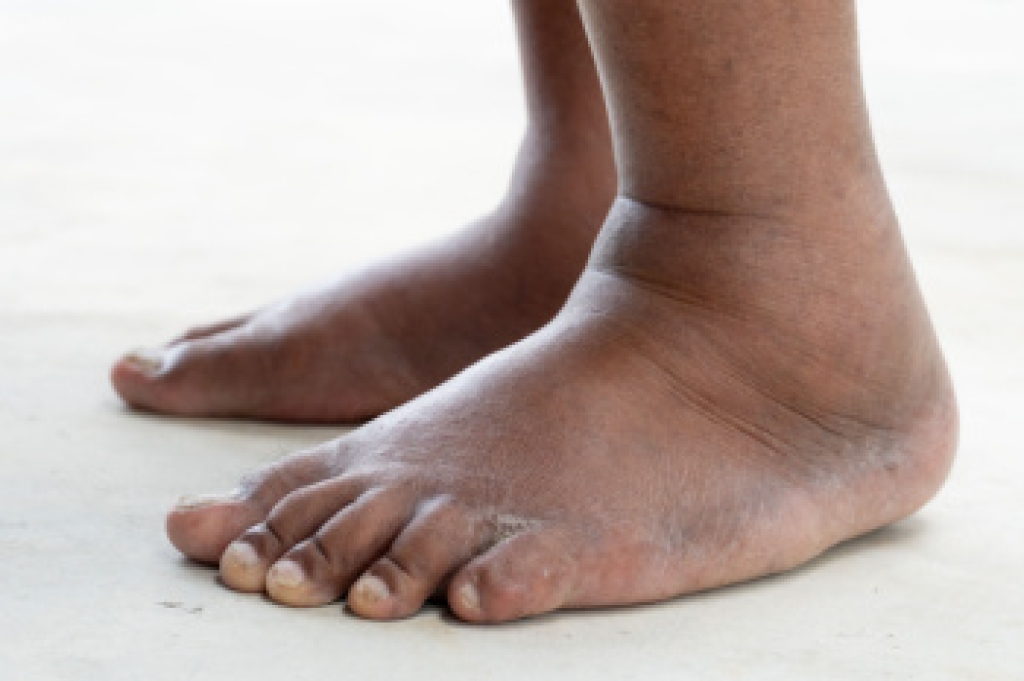
Treatment Options for Ankle Bursitis

When the small, fluid-filled sacs around the ankle joint become irritated, a painful condition known as ankle bursitis can develop. These sacs, termed bursae, cushion the bones, tendons, and muscles that support the ankle. Bursae normally reduce friction and allow the ankle to move smoothly when walking and performing other daily activities. Symptoms of ankle bursitis include tenderness, warmth, stiffness, or a visible lump near the joint. Pain often worsens with pressure or continued movement. Repetitive stress from sports, long periods of standing, or a direct injury are causes of ankle bursitis. Infection, gout and certain forms of arthritis can increase the risk. Tight or poorly fitting shoes may also place extra pressure on the joint. A podiatrist can perform a thorough examination to confirm the diagnosis and rule out other problems. Treatment options include medication, custom orthotics, supportive footwear guidance, or targeted injections. If you have symptoms of ankle bursitis, it is suggested that you make an appointment with a podiatrist for an exam, diagnosis, and treatment.

Ankle pain can have many different causes and the pain may potentially be serious. If you have ankle pain, consult with David Mehl, DPM from New York. Our doctor will assess your condition and provide you with quality foot and ankle treatment.

Ankle pain is any condition that causes pain in the ankle. Due to the fact that the ankle consists of tendons, muscles, bones, and ligaments, ankle pain can come from a number of different conditions.

Causes

The most common causes of ankle pain include:

  • Types of arthritis (rheumatoid, osteoarthritis, and gout)
  • Ankle sprains
  • Broken ankles
  • Achilles tendinitis
  • Achilles tendon rupture
  • Stress fractures
  • Tarsal tunnel syndrome
  • Plantar fasciitis

Symptoms

Symptoms of ankle injury vary based upon the condition. Pain may include general pain and discomfort, swelling, aching, redness, bruising, burning or stabbing sensations, and/or loss of sensation.

Diagnosis

Due to the wide variety of potential causes of ankle pain, podiatrists will utilize a number of different methods to properly diagnose ankle pain. This can include asking for personal and family medical histories and of any recent injuries. Further diagnosis may include sensation tests, a physical examination, and potentially x-rays or other imaging tests.

Treatment

Just as the range of causes varies widely, so do treatments. Some more common treatments are rest, ice packs, keeping pressure off the foot, orthotics and braces, medication for inflammation and pain, and surgery.

If you have any questions please feel free to contact our offices located in Forest Hills, and Brooklyn, NY . We offer the newest diagnostic tools and technology to treat your foot and ankle needs.

Read more about Various Causes of Ankle Pain

Understanding Charcot Neuroarthropathy and Why Early Care Matters

Charcot neuroarthropathy, or CN,  is a serious foot condition most often seen in people with nerve damage, especially those with diabetes. Because sensation is reduced, small injuries or stress fractures may go unnoticed. Continued walking on an injured foot can trigger inflammation, bone weakening, and joint collapse. The foot may become swollen, warm, red, and unstable, sometimes changing shape over a short period of time. Pain may be mild or absent, which can delay treatment. As the structure of the foot breaks down, pressure increases on certain areas, raising the risk of skin breakdown and ulcers. Early recognition and offloading are critical to slowing progression and protecting the foot. Management may include immobilization, custom bracing, and long-term footwear changes to maintain stability. If you notice unexplained swelling, warmth, or shape changes in your foot, it is suggested that you see a podiatrist promptly for evaluation and appropriate care.

Some foot conditions may require additional professional care. If you have any concerns, contact David Mehl, DPM of New York. Our doctor can provide the care you need to keep you pain-free and on your feet.

Rare Foot Conditions

The majority of foot conditions are common and can be treated by a podiatrist.  Standard diagnostic procedures are generally used to identify specific conditions and treatment can be rendered. A podiatrist also treats rare foot conditions which can be difficult to diagnose and may need extra attention and care. 

There are many rare foot conditions that can affect children. Some of these can include:

  • Freiberg’s disease
  • Kohler’s disease
  • Maffucci syndrome

Freiberg’s disease - This can be seen as a deterioration and flattening of a metatarsal bone that exists in the ball of the foot. It typically affects pre-teen and teenage girls, but can affect anyone at any age. Symptoms that can accompany this can be swelling, stiffness, and the patient may limp. 

Kohler’s disease - This often targets the bone in the arch of the foot and affects younger boys. It can lead to an interruption of the blood supply which ultimately can lead to bone deterioration. The patient may limp or experience tenderness, swelling, and redness.

Maffucci syndrome - This affects the long bones in a child’s foot leading to the development of abnormal bone lesions. They are benign growths and typically develop in early childhood and the bones may be susceptible to breaking. 

A podiatrist can properly diagnose and treat all types of rare foot conditions. If your child is affected by any of these symptoms or conditions, please don’t hesitate to call our office so the correct treatment method can begin.

If you have any questions, please feel free to contact our offices located in Forest Hills, and Brooklyn, NY . We offer the newest diagnostic and treatment technologies for all your foot care needs.

Read more about Rare Foot Conditions

Understanding Fungal Nails and Black Toenails

Fungal nails and black toenails are common concerns that can affect both comfort and confidence. A fungal nail often begins as a yellow or white discoloration and may thicken, crumble, or lift from the nail bed over time. The nail can appear brittle and distorted and may feel tender or produce a mild odor. A black toenail is frequently caused by trauma, such as repetitive pressure from running or wearing tight shoes, that leads to bleeding beneath the nail. A fungal toenail can lead to a black toenail, It may look dark purple or black and can feel sore or throbbing. Risk factors include damp environments, shared locker rooms, ill-fitting footwear, injury, and certain medical conditions. A podiatrist can examine the nail and order laboratory testing to confirm infection or rule out other causes. Treatment may include antifungal medication, trimming and debridement, footwear guidance, or minor procedures. If you have fungal nails or a black toenail, it is suggested that you make an appointment with a podiatrist.

If left untreated, toenail fungus may spread to other toenails, skin, or even fingernails. If you suspect you have toenail fungus it is important to seek treatment right away. For more information about treatment, contact David Mehl, DPM of New York. Our doctor can provide the care you need to keep you pain-free and on your feet.

Symptoms

  • Warped or oddly shaped nails
  • Yellowish nails
  • Loose/separated nail
  • Buildup of bits and pieces of nail fragments under the nail
  • Brittle, broken, thickened nail

Treatment

If self-care strategies and over-the-counter medications does not help your fungus, your podiatrist may give you a prescription drug instead. Even if you find relief from your toenail fungus symptoms, you may experience a repeat infection in the future.

Prevention

In order to prevent getting toenail fungus in the future, you should always make sure to wash your feet with soap and water. After washing, it is important to dry your feet thoroughly especially in between the toes. When trimming your toenails, be sure to trim straight across instead of in a rounded shape. It is crucial not to cover up discolored nails with nail polish because that will prevent your nail from being able to “breathe”.

In some cases, surgical procedure may be needed to remove the toenail fungus. Consult with your podiatrist about the best treatment options for your case of toenail fungus.  

If you have any questions please contact our offices located in Forest Hills, and Brooklyn, NY . We offer the newest diagnostic and treatment technologies for all your foot and ankle needs.


Read more about Toenail Fungus

Connect With Us

scroll to top