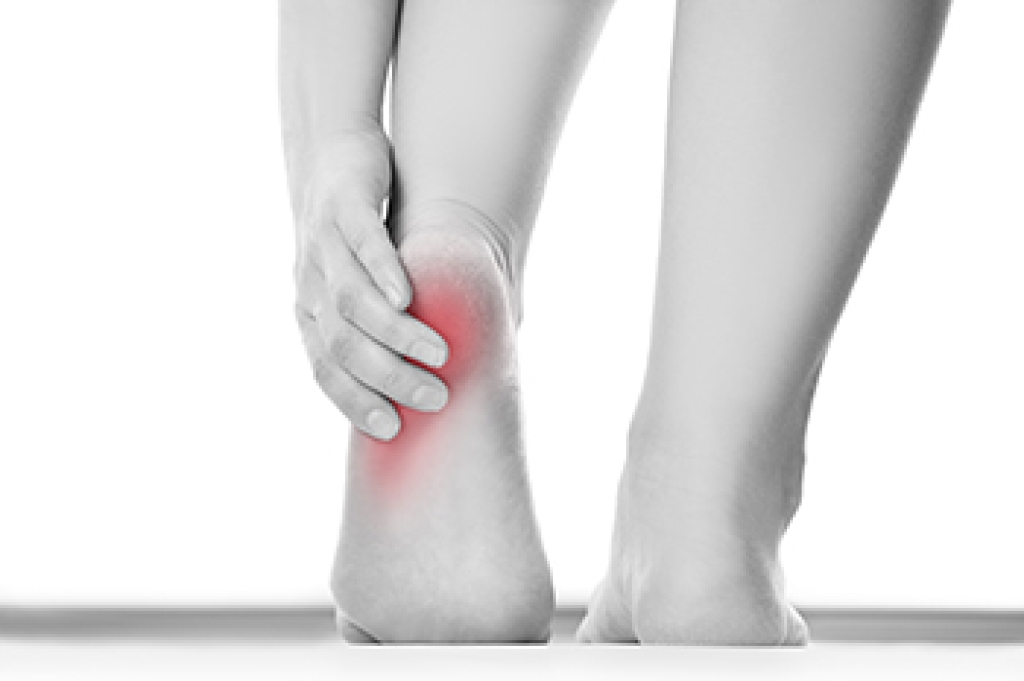
Causes and Symptoms of Heel Pain

Heel pain is often caused by plantar fasciitis, which is irritation of the thick band of tissue along the bottom of the foot. Another frequent cause of heel pain is Achilles tendonitis, inflammation of the tendon at the back of the heel. Stress fractures from repeated impact, and arthritis, which involves joint wear and stiffness, may also be factors. Nerve irritation, poor circulation, and long periods of standing sometimes play a role. Symptoms include sharp pain with the first steps in the morning and soreness after activity. Swelling or tenderness when pressure is applied to the heel may also occur. Some people notice a dull ache that worsens over time. A podiatrist can evaluate the foot and review symptoms. Imaging may be used to determine the cause. Treatment plans include orthotics, bracing, and guidance to reduce strain and improve foot function. If you have heel pain, it is suggested that you schedule an appointment with a podiatrist for a diagnosis and appropriate treatment plan.

Many people suffer from bouts of heel pain. For more information, contact David Mehl, DPM of New York. Our doctor can provide the care you need to keep you pain-free and on your feet.

Causes of Heel Pain

Heel pain is often associated with plantar fasciitis. The plantar fascia is a band of tissues that extends along the bottom of the foot. A rip or tear in this ligament can cause inflammation of the tissue.

Achilles tendonitis is another cause of heel pain. Inflammation of the Achilles tendon will cause pain from fractures and muscle tearing. Lack of flexibility is also another symptom.

Heel spurs are another cause of pain. When the tissues of the plantar fascia undergo a great deal of stress, it can lead to ligament separation from the heel bone, causing heel spurs.

Why Might Heel Pain Occur?

  • Wearing ill-fitting shoes                
  • Wearing non-supportive shoes
  • Weight change           
  • Excessive running

Treatments

Heel pain should be treated as soon as possible for immediate results. Keeping your feet in a stress-free environment will help. If you suffer from Achilles tendonitis or plantar fasciitis, applying ice will reduce the swelling. Stretching before an exercise like running will help the muscles. Using all these tips will help make heel pain a condition of the past.

If you have any questions, please feel free to contact our offices located in Forest Hills, and Brooklyn, NY . We offer the newest diagnostic and treatment technologies for all your foot care needs.
Read more about Heel Pain

Fungal Toenail Infections

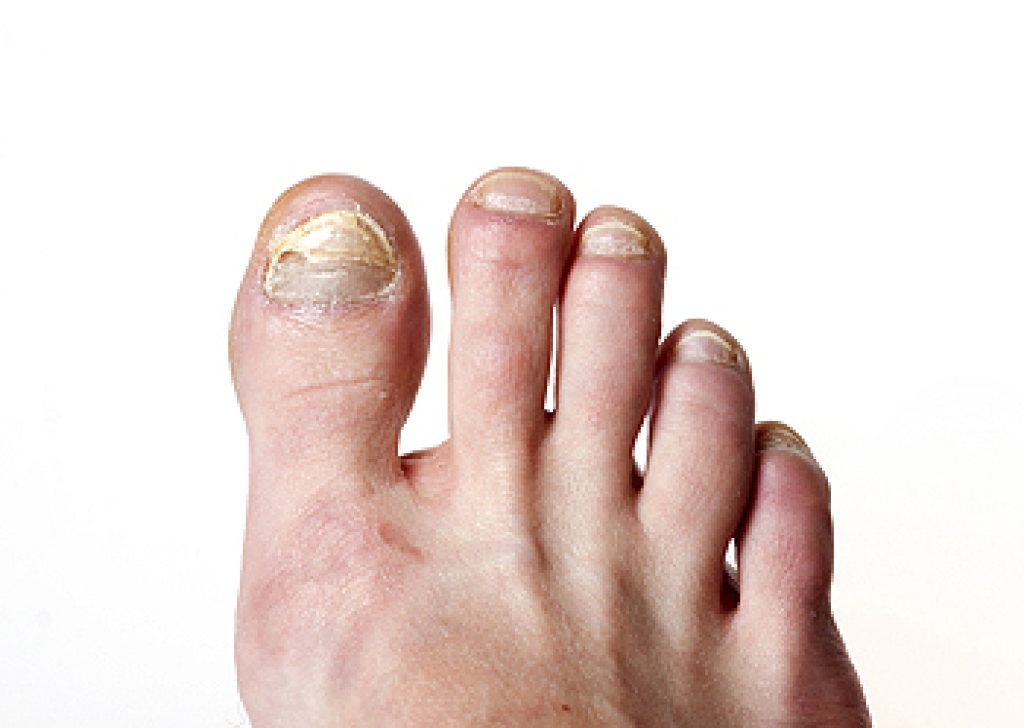
Fungal infections can cause the toenails to become thickened, discolored, and brittle over time. The toenail may appear yellow, white, or even darkened, and its surface can look uneven or crumbly. Some patients notice a buildup of debris beneath the nail or a separation from the nail bed. While the condition is often painless at first, it can lead to discomfort as the toenail thickens or presses against footwear. Fungal nails develop when fungi thrive in warm, moist environments, such as sweaty feet. Minor toenail injuries or a weakened immune system are other factors. A podiatrist can confirm the diagnosis through examination and testing if needed. Treatment includes topical or oral antifungal medication, as well as professional toenail care to reduce thickness and improve appearance. Addressing the infection early can help prevent its spread to other nails. If you are dealing with fungal toenails, it is suggested that you make an appointment with a podiatrist.

For more information about treatment, contact David Mehl, DPM of New York. Our doctor can provide the care you need to keep you pain-free and on your feet.

Toenail Fungus Treatment

Toenail fungus is a condition that affects many people and can be especially hard to get rid of. Fortunately, there are several methods to go about treating and avoiding it.

Antifungals & Deterrence

Oral antifungal medicine has been shown to be effective in many cases. It is important to consult with a podiatrist to determine the proper regiment for you, or potentially explore other options.

Applying foot powder on the feet and shoes helps keep the feet free of moisture and sweat.

Sandals or open toed shoes – Wearing these will allow air movement and help keep feet dry. They also expose your feet to light, which fungus cannot tolerate. Socks with moisture wicking material also help as well.

If you have any questions please contact our offices located in Forest Hills, and Brooklyn, NY . We offer the newest diagnostic and treatment technologies for all your foot and ankle needs.

Read more about Treating Toenail Fungus

Diabetic Foot Ulcers and the Role of Antibiotics

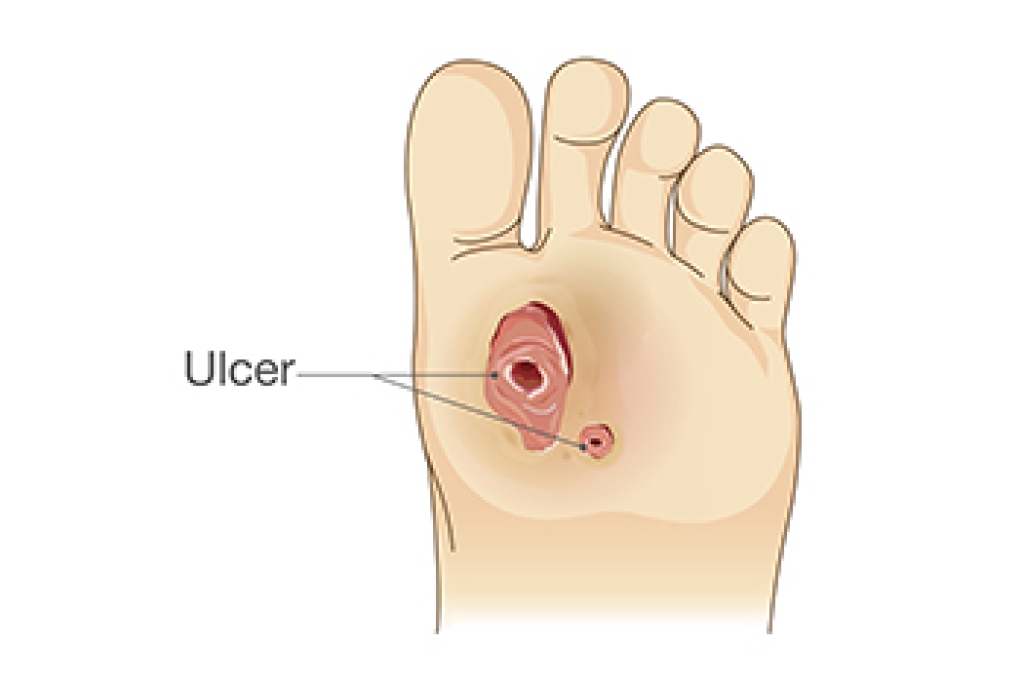
A diabetic foot ulcer is an open sore that develops on the foot due to poor circulation. It can be missed because of reduced sensation associated with diabetes. These ulcers often form from pressure, minor injuries, or irritation that goes unnoticed. Risk factors include high blood sugar levels, nerve damage, poor footwear, and limited blood flow. Antibiotics are not typically used for uninfected ulcers, as they are intended to treat bacterial infections rather than promote healing. Proper wound care, pressure relief, and monitoring are essential for recovery. A podiatrist can assess the ulcer, provide specialized treatment, and help prevent complications. Early care can protect foot health and reduce risks. If you have diabetes and have developed a foot wound or ulcer, it is strongly suggested that you are under the care of a podiatrist who can offer effective relief and management solutions.

Wound care is an important part in dealing with diabetes. If you have diabetes and a foot wound or would like more information about wound care for diabetics, consult with David Mehl, DPM from New York. Our doctor will assess your condition and provide you with quality foot and ankle treatment.

What Is Wound Care?

Wound care is the practice of taking proper care of a wound. This can range from the smallest to the largest of wounds. While everyone can benefit from proper wound care, it is much more important for diabetics. Diabetics often suffer from poor blood circulation which causes wounds to heal much slower than they would in a non-diabetic. 

What Is the Importance of Wound Care?

While it may not seem apparent with small ulcers on the foot, for diabetics, any size ulcer can become infected. Diabetics often also suffer from neuropathy, or nerve loss. This means they might not even feel when they have an ulcer on their foot. If the wound becomes severely infected, amputation may be necessary. Therefore, it is of the upmost importance to properly care for any and all foot wounds.

How to Care for Wounds

The best way to care for foot wounds is to prevent them. For diabetics, this means daily inspections of the feet for any signs of abnormalities or ulcers. It is also recommended to see a podiatrist several times a year for a foot inspection. If you do have an ulcer, run the wound under water to clear dirt from the wound; then apply antibiotic ointment to the wound and cover with a bandage. Bandages should be changed daily and keeping pressure off the wound is smart. It is advised to see a podiatrist, who can keep an eye on it.

If you have any questions please contact our offices located in Forest Hills, and Brooklyn, NY . We offer the newest diagnostic and treatment technologies for all your foot and ankle needs.

Read more about Wound Care

Caring for Aging Feet

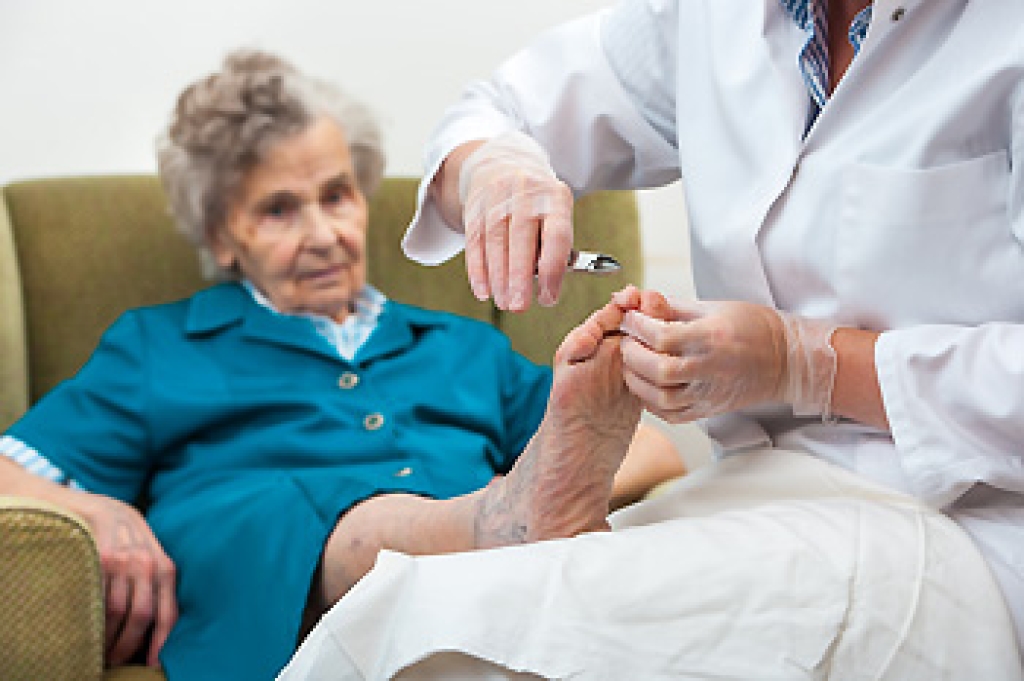
Elderly foot care becomes increasingly important as the skin, joints, and circulation change. Common concerns include bunions and heel pain from plantar fasciitis. A bunion may appear as a bony bump at the base of the big toe, causing redness, swelling, and discomfort in shoes. Plantar fasciitis often causes sharp pain in the heel, especially with the first steps in the morning. In older adults, these conditions may be worsened by thinning skin, reduced flexibility, and changes in balance or walking patterns. A podiatrist can evaluate foot structure, skin health, and circulation to identify any underlying issues. Treatment may include supportive footwear, custom orthotics, gentle skin care, and targeted exercises to maintain strength and flexibility. Routine foot checks are important to catch concerns early and prevent complications. If you have a bunion, plantar fasciitis, or other foot concerns, it is suggested that you make an appointment with a podiatrist.

Proper foot care is something many older adults forget to consider. If you have any concerns about your feet and ankles, contact David Mehl, DPM from New York. Our doctor can provide the care you need to keep you pain-free and on your feet.

The Elderly and Their Feet

As we age we start to notice many changes in our body, but the elder population may not notice them right away. Medical conditions may prevent the elderly to take notice of their foot health right away. Poor vision is a lead contributor to not taking action for the elderly.

Common Conditions 

  • Neuropathy – can reduce feeling in the feet and can hide many life-threatening medical conditions.
  • Reduced flexibility – prevents the ability of proper toenail trimming, and foot cleaning. If left untreated, it may lead to further medical issues.
  • Foot sores – amongst the older population can be serious before they are discovered. Some of the problematic conditions they may face are:
  • Gouging toenails affecting nearby toe
  • Shoes that don’t fit properly
  • Pressure sores
  • Loss of circulation in legs & feet
  • Edema & swelling of feet and ankles

Susceptible Infections

Diabetes and poor circulation can cause general loss of sensitivity over the years, turning a simple cut into a serious issue.

If you have any questions, please feel free to contact our offices located in Forest Hills, and Brooklyn, NY . We offer the newest diagnostic and treatment technologies for all your foot care needs.
Read more about Taking Care of Elderly Feet

Keep Your Feet Healthy So You Can Stay Active

Have your feet inspected by a professional before starting a new sport or physical activity. Taking charge of your foot health will keep you in good physical condition and can help you avoid a potential injury, such as a fracture or sprained ankle.

Prevent injuries and see a foot specialist.

Connect With Us

scroll to top