Facts About Athlete’s Foot

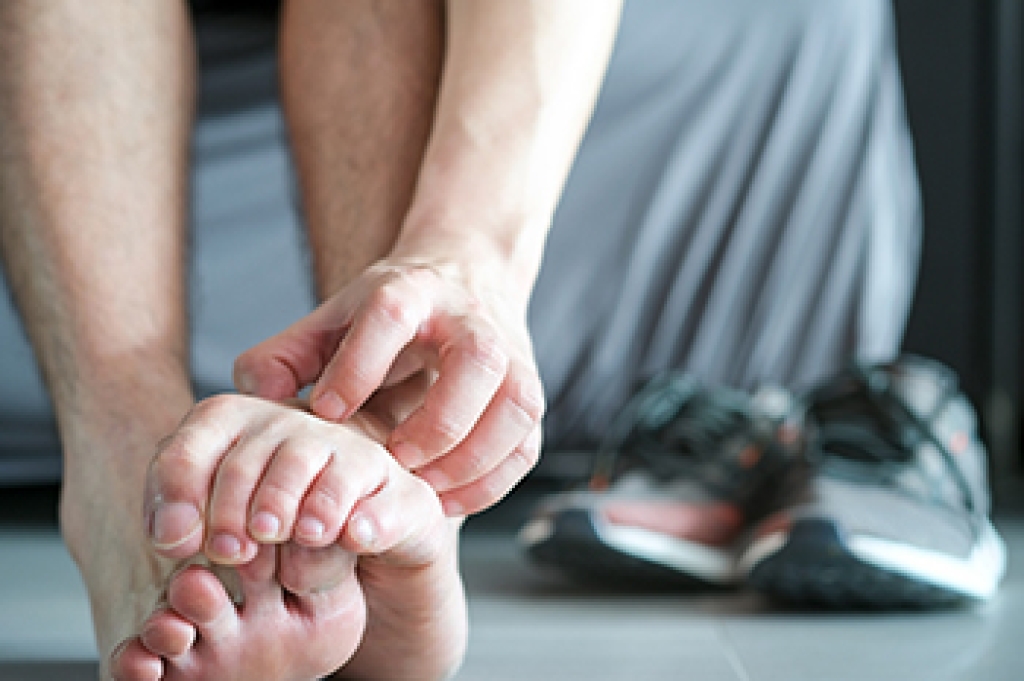
Athlete’s foot is a fungal infection that affects the skin of the feet, especially between the toes. It often causes flaking skin, itching, cracking, and redness that can become uncomfortable, if left untreated. The condition develops in warm and moist environments, making shared areas around pools and locker rooms a common source of exposure. Prevention includes keeping feet clean and dry, and wearing appropriate shoes in pool areas to reduce contact with fungi. Prescribed medication can effectively clear the infection and prevent it from spreading or returning. A podiatrist can diagnose athlete’s foot, recommend the right treatment, and provide guidance on proper foot hygiene. If you have symptoms of athlete’s foot, it is suggested that you consult a podiatrist who can effectively treat this condition, which may include prescribed medication.

Athlete’s foot is an inconvenient condition that can be easily reduced with the proper treatment. If you have any concerns about your feet and ankles, contact David Mehl, DPM from New York.  Our doctor will treat your foot and ankle needs.

Athlete’s Foot: The Sole Story

Athlete's foot, also known as tinea pedis, can be an extremely contagious foot infection. It is commonly contracted in public changing areas and bathrooms, dormitory style living quarters, around locker rooms and public swimming pools, or anywhere your feet often come into contact with other people.

Solutions to Combat Athlete’s Foot

  • Hydrate your feet by using lotion
  • Exfoliate
  • Buff off nails
  • Use of anti-fungal products
  • Examine your feet and visit your doctor if any suspicious blisters or cuts develop

Athlete’s foot can cause many irritating symptoms such as dry and flaking skin, itching, and redness. Some more severe symptoms can include bleeding and cracked skin, intense itching and burning, and even pain when walking. In the worst cases, Athlete’s foot can cause blistering as well. Speak to your podiatrist for a better understanding of the different causes of Athlete’s foot, as well as help in determining which treatment options are best for you.

If you have any questions please feel free to contact our offices located in Forest Hills, and Brooklyn, NY . We offer the newest diagnostic and treatment technologies for all your foot and ankle needs.

Read more about Athlete's Foot

What Causes Heel Spurs?

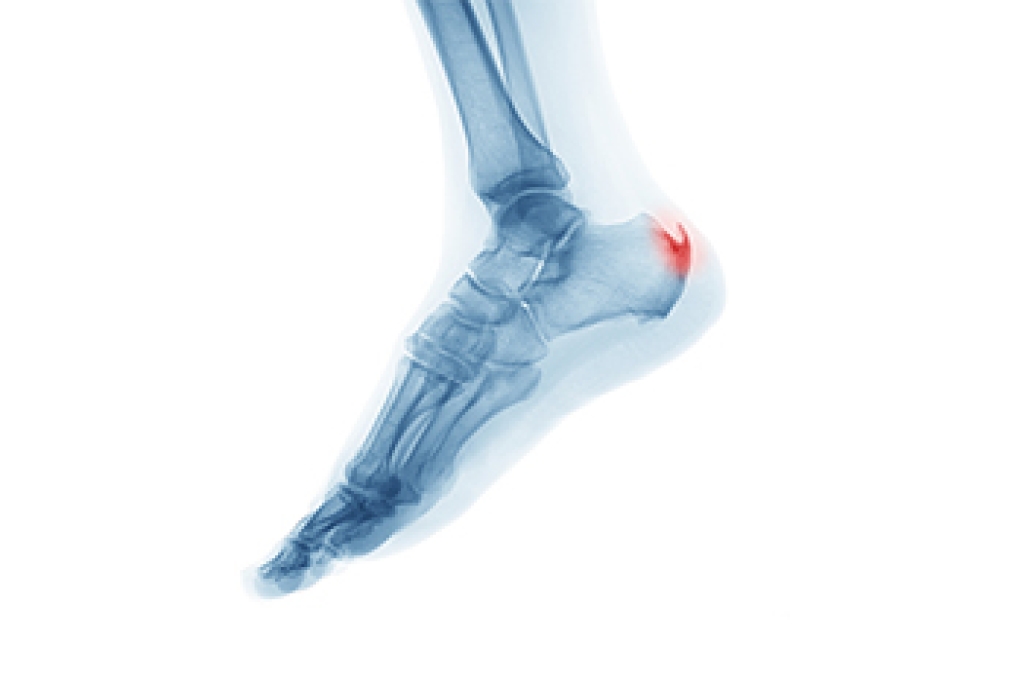
A heel spur is a bony growth that develops on the underside of the heel, often associated with inflammation of the foot muscles and ligaments. It commonly forms over time due to repetitive stress and strain on the plantar fascia, the strong band of tissue running from the heels to the toes. Symptoms include heel pain that may feel sharp or aching and is often worse after periods of rest or when first standing. Risk factors include high impact activities, sudden increases in exercise intensity, wearing improper footwear, and prolonged standing. Without proper care, discomfort may persist and affect mobility. A podiatrist can help by diagnosing the condition, reducing inflammation, and recommending supportive treatments. If you have heel pain and it has become difficult to complete daily activities, it is suggested that you consult a podiatrist who can guide you toward effective relief solutions.

Heel spurs can be incredibly painful and sometimes may make you unable to participate in physical activities. To get medical care for your heel spurs, contact David Mehl, DPM from New York. Our doctor will do everything possible to treat your condition.

Heels Spurs

Heel spurs are formed by calcium deposits on the back of the foot where the heel is. This can also be caused by small fragments of bone breaking off one section of the foot, attaching onto the back of the foot. Heel spurs can also be bone growth on the back of the foot and may grow in the direction of the arch of the foot.

Older individuals usually suffer from heel spurs and pain sometimes intensifies with age. One of the main condition's spurs are related to is plantar fasciitis.

Pain

The pain associated with spurs is often because of weight placed on the feet. When someone is walking, their entire weight is concentrated on the feet. Bone spurs then have the tendency to affect other bones and tissues around the foot. As the pain continues, the feet will become tender and sensitive over time.

Treatments

There are many ways to treat heel spurs. If one is suffering from heel spurs in conjunction with pain, there are several methods for healing. Medication, surgery, and herbal care are some options.

If you have any questions, please feel free to contact our offices located in Forest Hills, and Brooklyn, NY . We offer the newest diagnostic and treatment technologies for all your foot care needs.

Read more about Heel Spurs

A Rare Ankle Fracture and What It Means

Some ankle fractures involve more than a simple break, and can affect multiple structures at once. In a less common pattern, the talus, a central bone in the ankle, can split from front to back while the inner ankle bone is also fractured. This type of injury may occur when the foot is forced downward with a twisting motion and strong pressure through the joint. These combined forces create instability and require careful management. Treatment often involves a surgical approach to realign the bones and secure them with screws so they can heal in the correct position. With proper healing and targeted exercises, many individuals regain good movement and have only mild discomfort over time. Because this type of fracture is complex, early care is important. If you have severe ankle pain after an injury, it is suggested that you see a podiatrist for a proper diagnosis and appropriate treatment.

test

Read more about Broken Ankle Causes, Differences, Symptoms and Treatments

Foot Exercises While Sitting at Your Desk

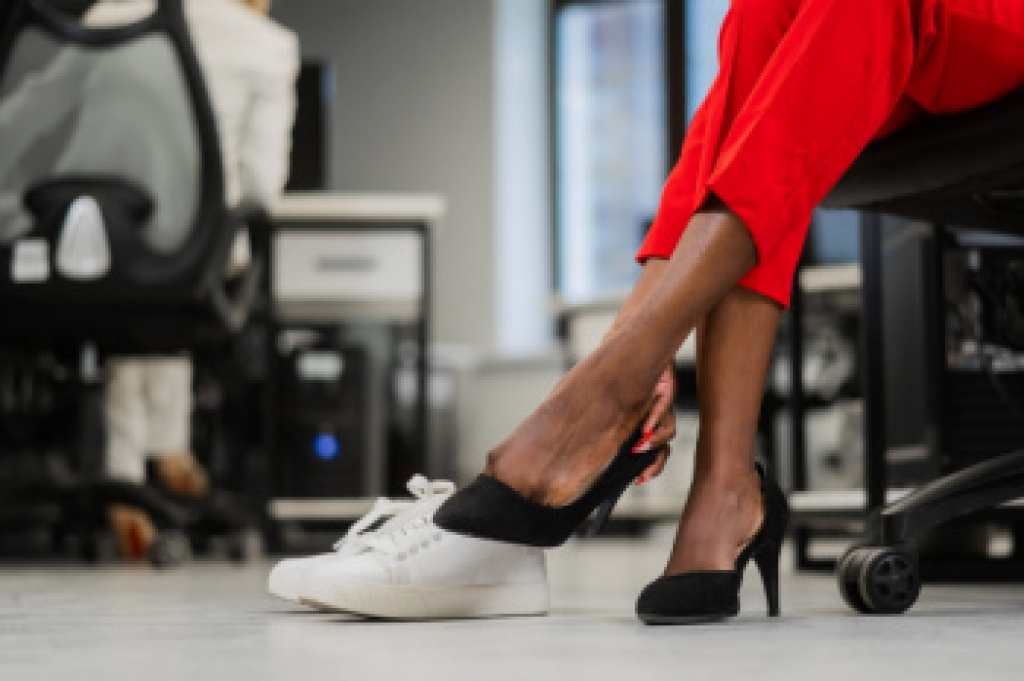
Foot exercises performed while sitting at a desk can help maintain strength, flexibility, and circulation in the feet. The feet support body weight, absorb shock, and help with balance during daily movement. When these structures become weak or stiff, larger muscles in the legs must work harder, which can increase fatigue and injury risk. Simple desk exercises may include gently lifting and spreading the toes, raising the arch without curling the toes, or pressing the feet in different directions to activate stabilizing muscles around the ankle. These small muscles play an important role in joint stability, meaning they help keep the foot and ankle properly aligned when walking and standing. A podiatrist can evaluate foot function, identify muscle imbalances, and recommend specific exercises or supportive devices to improve strength and reduce strain. If you spend long hours at work sitting at a desk, it is suggested that you make an appointment with a podiatrist for a targeted exercise program to improve foot health.

Exercising your feet regularly with the proper foot wear is a great way to prevent injuries and build strength. If you have any concerns about your feet, contact David Mehl, DPM from New York. Our doctor can provide the care you need to keep you pain-free and on your feet.

Exercise for Your Feet

Exercise for your feet can help you gain strength, mobility and flexibility in your feet. They say that strengthening your feet can be just as rewarding as strengthening another part of the body. Your feet are very important, and we often forget about them in our daily tasks. But it is because of our feet that are we able to get going and do what we need to. For those of us fortunate enough to not have any foot problems, it is an important gesture to take care of them to ensure good health in the long run.

Some foot health exercises can include ankle pumps, tip-toeing, toe rises, lifting off the floor doing reps and sets, and flexing the toes. It is best to speak with Our doctor to determine an appropriate regimen for your needs. Everyone’s needs and bodies are different, and the activities required to maintain strength in the feet vary from individual to individual. 

Once you get into a routine of doing regular exercise, you may notice a difference in your feet and how strong they may become.

If you have any questions, please feel free to contact our offices located in Forest Hills, and Brooklyn, NY . We offer the newest diagnostic and treatment technologies for all your foot care needs.

Read more about Exercise for Your Feet

Connect With Us

scroll to top