
Broken Ankle Treatment for Better Foot and Ankle Health

A broken ankle is an injury that occurs when one or more bones in the ankle are cracked or fractured. The ankle is made up of several bones, ligaments, and tissues that work together to support movement and balance. A fracture can happen from a fall, sports injury, accident, or sudden twisting motion. Ankle fractures can affect a person’s ability to stand, walk, and complete daily activities comfortably. Symptoms include pain, swelling, bruising, tenderness, and difficulty putting weight on the affected foot. Some patients may notice changes in the appearance of the ankle or a feeling of instability. A podiatrist can evaluate the injury and determine the severity of the fracture.

A podiatrist performs a detailed examination to understand the extent of an ankle fracture and how it affects foot and ankle function. The evaluation includes reviewing the injury, checking movement, and assessing the condition of the surrounding tissues. Imaging tests may be used to view the bones and identify the location of the fracture. A podiatrist develops a treatment plan based on the type of fracture, the patient’s health, and activity needs. Treatment includes methods to support proper healing, protect the injured area, and restore ankle function. 

Research shows that ankle fractures can affect mobility and long-term joint function, making proper diagnosis and treatment important. A podiatrist helps patients understand their injury and creates a plan focused on restoring strength, stability, and movement. Care may involve monitoring healing progress and addressing changes in foot mechanics after the injury. A podiatrist also evaluates how the ankle is functioning because changes in movement can affect other areas of the foot and lower body. Treatment plans are personalized according to each patient’s condition and recovery goals. If you have symptoms of a broken ankle, it is suggested that you make an appointment with a chiropractor for diagnosis and treatment.

Broken ankles need immediate treatment. If you are seeking treatment, contact David Mehl, DPM from New York. Our doctor can provide the care you need to keep you pain-free and on your feet. 

Broken Ankles
A broken ankle is experienced when a person fractures their tibia or fibula in the lower leg and ankle area. Both of these bones are attached at the bottom of the leg and combine to form what we know to be our ankle.

When a physician is referring to a break of the ankle, he or she is usually referring to a break in the area where the tibia and fibula are joined to create our ankle joint. Ankles are more prone to fractures because the ankle is an area that suffers a lot of pressure and stress. There are some obvious signs when a person experiences a fractured ankle, and the following symptoms may be present.

Symptoms of a Fractured Ankle

  • Excessive pain when the area is touched or when any pressure is placed on the ankle
  • Swelling around the area
  • Bruising of the area
  • Area appears to be deformed

If you suspect an ankle fracture, it is recommended to seek treatment as soon as possible. The sooner you have your podiatrist diagnose the fracture, the quicker you’ll be on the way towards recovery.

If you have any questions, please feel free to contact our offices located in Forest Hills, and Brooklyn, NY . We offer the newest diagnostic and treatment technologies for all your foot care needs.


Read more about All About Broken Ankles

Maintaining Foot Health During the Summer

Summer is a time for vacations, outdoor activities, and spending more hours on your feet. Whether you are walking along the beach, exploring a new city, or attending outdoor events, your feet often work harder during the warmer months. Open-toed shoes, sandals, and increased activity can also make existing foot problems more noticeable. Conditions such as bunions, hammertoes, or heel pain may become more uncomfortable when footwear provides less support or places added pressure on sensitive areas. Skin and toenail concerns may also be easier to notice during sandal season. Preparing your feet for summer activities can help identify developing problems early and support healthier, more comfortable movement throughout the season.


As activity levels increase, foot discomfort can interfere with enjoying summer plans. Some people experience soreness after spending more time walking, while others notice swelling or pain after standing for long periods. Existing foot conditions may also become more noticeable because of changes in footwear or increased physical activity. Even mild symptoms should not be ignored, as they can become more limiting over time. A professional evaluation can determine whether foot pain, changes in foot shape, or nail concerns are signs of an underlying condition. Addressing these issues early may help improve comfort and support better mobility throughout the summer months.


A podiatrist can help patients prepare their feet for summer by identifying problems before they interfere with seasonal activities. During an examination, the podiatrist evaluates foot structure, walking mechanics, and any symptoms affecting comfort or mobility. Treatment is individualized to improve foot function, relieve discomfort, and help patients stay active with greater confidence. Regular podiatry care also supports long-term foot health during every season of the year. If you are experiencing foot pain, changes in your feet, or difficulty walking this summer, it is suggested that you consult a podiatrist for an evaluation and appropriate treatment options.

Everyday foot care is very important to prevent infection and other foot ailments. If you need your feet checked, contact David Mehl, DPM from New York. Our doctor can provide the care you need to keep you pain-free and on your feet.

Everyday Foot Care

Often, people take care of their bodies, face and hair more so than they do for their feet. But the feet are a very important aspect of our bodies, and one that we should pay more attention to. Without our feet, we would not be able to perform most daily tasks.

It is best to check your feet regularly to make sure there are no new bruises or cuts that you may not have noticed before. For dry feet, moisturizer can easily be a remedy and can be applied as often as necessary to the affected areas. Wearing shoes that fit well can also help you maintain good foot health, as well as making it easier to walk and do daily activities without the stress or pain of ill-fitting shoes, high heels, or even flip flops. Wearing clean socks with closed shoes is important to ensure that sweat and bacteria do not accumulate within the shoe. Clean socks help to prevent Athlete’s foot, fungi problems, bad odors, and can absorb sweat.

If you have any questions, please feel free to contact our offices located in Forest Hills, and Brooklyn, NY . We offer the newest diagnostic and treatment technologies for all your foot care needs.

Read more about Every Day Foot Care

Why Ankle Fusion Surgery Is Performed and What to Expect

Ankle arthrodesis, also known as ankle fusion surgery, is a procedure designed to treat chronic ankle pain by permanently joining the bones of the joint. This approach is often used when cartilage damage has led to bone on bone contact, causing inflammation and limited mobility. By eliminating joint movement, the surgery reduces pain and provides a stable foundation for standing and walking. It is widely recognized as an effective treatment for advanced ankle joint disease.

During the procedure, the podiatric surgeon carefully removes the remaining cartilage and prepares the bone surfaces for fusion. The bones are then aligned in a functional position and secured with surgical hardware, such as screws or plates. In some cases, bone graft material may be used to support healing and improve fusion success. The healing process requires time, and patients typically follow a structured recovery plan that includes immobilization and a gradual return to activity.


This type of foot surgery is recommended for certain conditions, such as severe arthritis, deformity, and long term joint instability. It is also used for patients who have experienced traumatic injuries or progressive degeneration of the ankle joint. Risk factors that may lead to the need for this procedure include repeated ankle injuries, improper alignment, and chronic inflammation. When non-surgical treatments no longer provide relief, ankle arthrodesis becomes a dependable solution.


Patients who undergo ankle arthrodesis can expect improved stability and reduced pain, although some stiffness is normal due to the loss of joint motion. Many individuals return to daily activities with greater confidence and less discomfort. Long-term success depends on proper healing and supportive care. If you have severe ankle pain and are exploring this type of foot surgery, it is suggested that you seek care from a podiatrist who can determine if this type of surgery is right for you.

Foot surgery is sometimes necessary to treat a foot ailment. To learn more, contact David Mehl, DPM of New York. Our doctor will assist you with all of your foot and ankle needs.

When Is Surgery Necessary?

Foot and ankle surgery is generally reserved for cases in which less invasive, conservative procedures have failed to alleviate the problem. Some of the cases in which surgery may be necessary include:

  • Removing foot deformities like bunions and bone spurs
  • Severe arthritis that has caused bone issues
  • Cosmetic reconstruction

What Types of Surgery Are There?

The type of surgery you receive will depend on the nature of the problem you have. Some of the possible surgeries include:

  • Bunionectomy for painful bunions
  • Surgical fusion for realignment of bones
  • Neuropathy decompression surgery to treat nerve damage

Benefits of Surgery

Although surgery is usually a last resort, it can provide more complete pain relief compared to non-surgical methods and may allow you to finally resume full activity.

Surgical techniques have also become increasingly sophisticated. Techniques like endoscopic surgery allow for smaller incisions and faster recovery times.

If you have any questions, please feel free to contact our offices located in Forest Hills, and Brooklyn, NY . We offer the newest diagnostic and treatment technologies for all your foot care needs.
Read more about Foot Surgery

Heel Pain in the Morning?

Heel pain can negatively affect your day-to-day life. Simple activities like walking can become incredibly uncomfortable or painful due to heel pain.

Don’t live with heel pain and get treated.

Cracked Heels and What They Mean for Foot Health

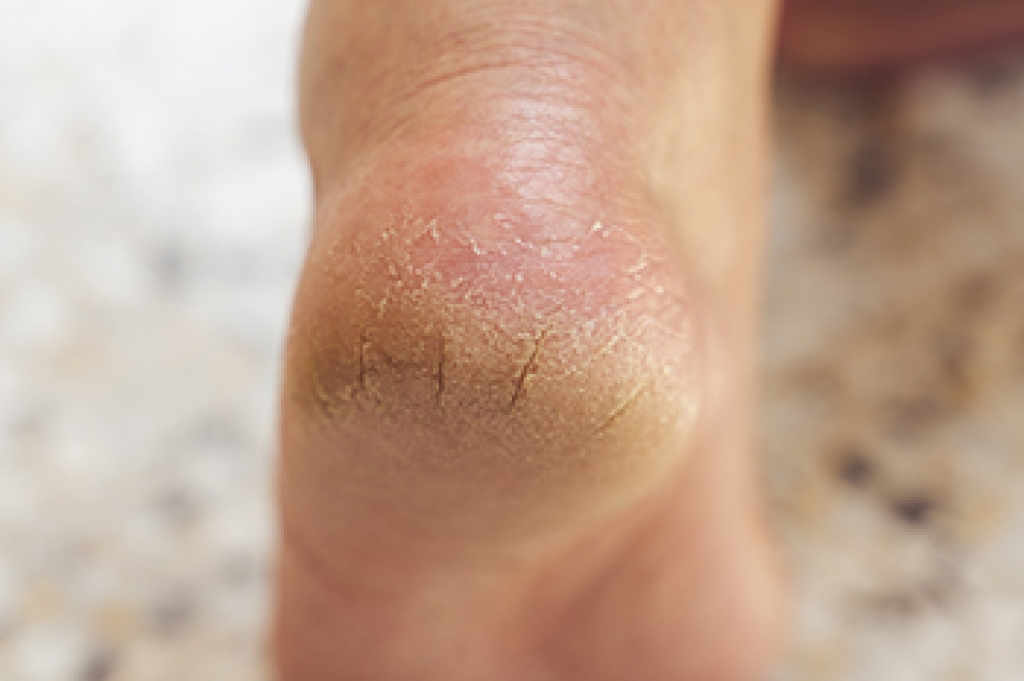
Cracked heel fissures develop when the skin on the heel becomes excessively dry and thick, leading to visible splits that can affect both comfort and mobility. The heel is designed to absorb shock and support body weight, but when the skin barrier is compromised, it cannot handle pressure effectively. This condition is frequently seen in individuals who spend long hours on their feet or who lack proper foot support. While mild cases may appear as simple dryness, untreated fissures can deepen and lead to more serious complications. Understanding this condition is important for maintaining both skin health and overall foot function.

Common symptoms include dry, scaly skin that appears along the edges of the heel, often accompanied by a yellow or thickened callus. As the condition progresses, cracks may form and create discomfort during walking. Pain is typically more noticeable when pressure is applied, especially after long periods of standing. In severe cases, the fissures may bleed or become inflamed, increasing the risk of infection. Some individuals also experience itching or sensitivity in the affected area. Recognizing these symptoms early allows for more effective management and improved comfort.


Risk factors for cracked heels vary and often involve both lifestyle and health related influences. Individuals who walk barefoot or wear poorly cushioned footwear are more likely to develop excessive pressure on the heels. Obesity increases the load placed on the foot, which can stretch and weaken the skin. Chronic conditions such as diabetes and thyroid disorders may impair skin integrity and healing. Additionally, reduced hydration, whether from environmental exposure or inadequate skin care, further increases vulnerability. These combined factors create an environment where the skin is more likely to crack under stress.


The causes of cracked heels are primarily linked to the loss of moisture and repeated mechanical pressure. When the skin becomes dehydrated, it loses flexibility and becomes rigid, making it easier to split. Continuous pressure from standing or walking forces the skin to expand, worsening the fissures. Management includes restoring moisture with specialized creams, using supportive shoes, and avoiding behaviors that increase strain on the heel. Routine foot care and early intervention are essential for prevention. If you have cracked heels that have become painful, it is suggested you seek care from a podiatrist for a proper evaluation and appropriate treatment, which may include prescribed medication.

If the skin on your feet starts to crack, you may want to see a podiatrist to find treatment. If you have any concerns, contact David Mehl, DPM from New York. Our doctor can provide the care you need to keep you pain-free and on your feet.

Cracked Heels

It is important to moisturize your cracked heels in order to prevent pain, bleeding, and infection. The reason cracked heels form is because the skin on the foot is too dry to support the immense pressure placed on them. When the foot expands, the dry skin on the foot begins to split.

Ways to Help Heal Them

  • Invest in a good foot cream
  • Try Using Petroleum Jelly
  • Ease up on Soaps
  • Drink Plenty of Water

Ways to Prevent Cracked Heels

  • Moisturize After Showering
  • Skip a Shower
  • Keep Shower Water Lukewarm
  • Don’t Scrub Your Feet

If you are unsure how to proceed in treating cracked heels, seek guidance from a podiatrist. Your doctor will help you with any questions or information you may need. 

If you have any questions, please feel free to contact our offices located in Forest Hills, and Brooklyn, NY . We offer the newest diagnostic and treatment technologies for all your foot care needs.

Read more about Solutions for Cracked Heels

Connect With Us

scroll to top