
When Foot Pain Could Be a Stress Fracture

A foot stress fracture is a small crack in a bone caused by repeated pressure and overuse. Runners, dancers, and athletes are particularly susceptible because their activities place repeated stress on the feet. Stress fractures can affect several bones, but they commonly develop in the foot. One of the first signs is localized pain without an obvious injury. The discomfort may begin as a dull ache and become stronger during activity. Some people experience deep aching, tenderness, or weakness around the affected area. Unlike a complete fracture, a stress fracture may not prevent normal movement. Swelling can be mild or absent, and bruising may not occur, making the injury easy to overlook.

Pain from a stress fracture often becomes more noticeable during running, dancing, or sports. Continuing activities that repeatedly stress the affected bone can worsen the injury and delay healing. Stress fractures vary in severity, and some occur in bones that heal more easily than others. A podiatrist can evaluate symptoms, examine the foot, and order imaging tests when necessary to determine whether a stress fracture is present. Treatment depends on the affected bone, fracture severity, and activity level.

Treatment commonly involves reducing pressure on the foot and using supportive footwear, immobilization, or other measures to protect the injured bone while it heals. Some stress fractures may require more extensive treatment, and surgery may occasionally be necessary. A gradual return to normal activities is recommended after adequate healing has occurred.

Persistent or increasing foot pain should not be assumed to be a minor sprain. Stress fractures can develop without a major accident or direct blow, particularly in people who participate regularly in high-impact activities. Early evaluation can help prevent the injury from becoming more serious and support proper healing. If you have localized foot pain or symptoms of a stress fracture, it is suggested that you schedule an appointment with a podiatrist for a diagnosis and appropriate treatment.

Activities where too much pressure is put on the feet can cause stress fractures. To learn more, contact David Mehl, DPM from New York. Our doctor can provide the care you need to keep your pain free and on your feet.

Dealing with Stress Fractures of the Foot and Ankle

Stress fractures occur in the foot and ankle when muscles in these areas weaken from too much or too little use.  The feet and ankles then lose support when walking or running from the impact of the ground. Since there is no protection, the bones receive the full impact of each step. Stress on the feet can cause cracks to form in the bones, thus creating stress fractures.

What Are Stress Fractures?

Stress fractures occur frequently in individuals whose daily activities cause great impact on the feet and ankles. Stress factors are most common among:

  • Runners                                
  • People affected with Osteoporosis
  • Tennis or basketball players
  • Gymnasts
  • High impact workouts

Symptoms

Pain from the fractures occur in the area of the fractures and can be constant or intermittent. It will often cause sharp or dull pain with swelling and tenderness. Engaging in any kind of activity which involves high impact will aggravate pain.

If you have any questions please contact our offices located in Forest Hills, and Brooklyn, NY . We offer the newest diagnostic and treatment technologies for all your foot and ankle needs.

Read more about Dealing with Stress Fractures of the Foot and Ankle

Protecting Feet During Youth Sports

Sports can help children stay active, but running and jumping can also place significant stress on growing feet and ankles. Ankle injuries become especially common during fall sports, with football, soccer, and basketball presenting frequent risks. Young athletes may experience ankle sprains, broken bones, or other foot and ankle injuries. An injury that appears to be a simple sprain can sometimes involve damaged cartilage or another injured bone. Because different injuries can cause similar symptoms, continued pain or swelling should be evaluated by a medical professional. Early diagnosis can help identify the actual injury and guide appropriate treatment.


Previous ankle injuries may also affect an athlete’s risk of another injury. An ankle that has not fully recovered can remain unstable and become more vulnerable during competition. The condition of athletic shoes matters as well. Different sports require footwear designed for their specific movements and playing surfaces. Worn athletic shoes may develop uneven bottoms, which can prevent the foot from sitting flat and cause the ankle to tilt. Uneven playing fields can create another risk because dips, holes, and other surface changes may cause the foot to land awkwardly during activity.


A podiatrist can examine sports-related foot and ankle injuries and determine whether pain is caused by a sprain, fracture, or another problem. A professional evaluation can also identify whether an older ankle injury has left lasting instability that could affect athletic performance. Depending on the injury, treatment may include rehabilitation or supportive devices designed to protect the ankle during activity. Prompt treatment is important because untreated ankle injuries may contribute to long-term problems, including instability or arthritis. Proper evaluation can also help young athletes safely return to their sport after an injury. If sports participation is causing persistent foot or ankle pain in your child, it is suggested that you consult a podiatrist for an evaluation and appropriate treatment options.

Sports related foot and ankle injuries require proper treatment before players can go back to their regular routines. For more information, contact David Mehl, DPM of New York. Our doctor can provide the care you need to keep you pain-free and on your feet.

Sports Related Foot and Ankle Injuries

Foot and ankle injuries are a common occurrence when it comes to athletes of any sport. While many athletes dismiss the initial aches and pains, the truth is that ignoring potential foot and ankle injuries can lead to serious problems. As athletes continue to place pressure and strain the area further, a mild injury can turn into something as serious as a rupture and may lead to a permanent disability. There are many factors that contribute to sports related foot and ankle injuries, which include failure to warm up properly, not providing support or wearing bad footwear. Common injuries and conditions athletes face, including:

  • Plantar Fasciitis
  • Achilles Tendinitis
  • Achilles Tendon Rupture
  • Ankle Sprains

Sports related injuries are commonly treated using the RICE method. This includes rest, applying ice to the injured area, compression and elevating the ankle. More serious sprains and injuries may require surgery, which could include arthroscopic and reconstructive surgery. Rehabilitation and therapy may also be required in order to get any recovering athlete to become fully functional again. Any unusual aches and pains an athlete sustains must be evaluated by a licensed, reputable medical professional.

If you have any questions please contact our offices located in Forest Hills, and Brooklyn, NY . We offer the newest diagnostic and treatment technologies for all your foot and ankle needs.

Read more about Sports Related Foot And Ankle Injuries

Orthotics and Arch Support for Healthier Feet

Orthotics are shoe inserts designed to support the feet and improve how pressure moves through them. They may be prescribed or purchased over the counter, depending on your needs. Orthotics can provide arch support, cushioning, and improved foot alignment. They are often used when foot structure or movement contributes to discomfort. This approach can make walking more comfortable while reducing unnecessary stress on sensitive areas.

Common symptoms that may benefit from orthotic support include arch pain, heel pain, and tired feet. Some people notice discomfort while walking, standing, or exercising. Risk factors include flat feet, high arches, and unsupportive footwear. Other causes of foot strain may include abnormal gait mechanics, previous injuries, or prolonged standing. A podiatrist can determine whether orthotics are appropriate for your specific condition.


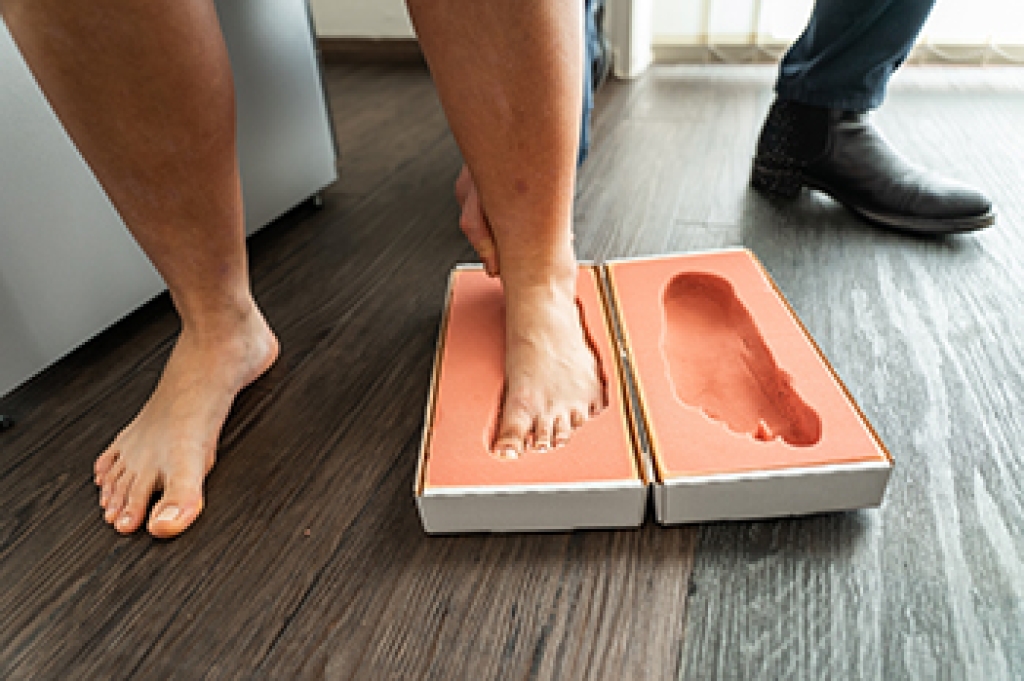
Types of orthotics include custom orthotics and prefabricated inserts. Custom orthotics are designed from measurements or scans of your feet and can address biomechanical needs specific to you. Prefabricated options provide general support and may work well for certain mild problems. A podiatrist begins by reviewing your symptoms and medical history. The feet are examined for alignment, pressure points, and range of motion. Your walking pattern may also be evaluated before an orthotic recommendation is made.


Treatment with orthotics usually begins with selecting the correct device for your foot structure and daily activities. Your podiatrist may recommend gradual wear so your feet can adjust comfortably. Follow-up visits can help assess comfort levels and determine whether adjustments are needed. Wearing proper footwear is also important because shoes should provide enough room and stability for the insert. Orthotics do not simply add cushioning, they can help manage pressure and support healthier movement. If you have persistent arch discomfort or need better foot support, it is suggested that you consult a podiatrist who can determine what type of orthotics are right for you.

If you are having discomfort in your feet and would like to try orthotics, contact David Mehl, DPM from New York. Our doctor can provide the care you need to keep you pain-free and on your feet.

What Are Orthotics?

Orthotics are inserts you can place into your shoes to help with a variety of foot problems such as flat feet or foot pain. Orthotics provide relief and comfort for minor foot and heel pain but can’t correct serious biomechanical problems in your feet.

Over-the-Counter Inserts

Orthotics come in a wide variety of over-the-counter inserts that are used to treat foot pain, heel pain, and minor problems. For example, arch supports can be inserted into your shoes to help correct overarched or flat feet, while gel insoles are often used because they provide comfort and relief from foot and heel pain by alleviating pressure.

Prescription Orthotics

If over-the-counter inserts don’t work for you or if you have a more severe foot concern, it is possible to have your podiatrist prescribe custom orthotics. These high-quality inserts are designed to treat problems such as abnormal motion, plantar fasciitis, and severe forms of heel pain. They can even be used to help patients suffering from diabetes by treating foot ulcers and painful calluses and are usually molded to your feet individually, which allows them to provide full support and comfort.

If you are experiencing minor to severe foot or heel pain, it’s recommended to speak with your podiatrist about the possibilities of using orthotics. A podiatrist can determine which type of orthotic is right for you and allow you to take the first steps towards being pain-free.

If you have any questions, please feel free to contact our offices located in Forest Hills, and Brooklyn, NY . We offer the newest diagnostic and treatment technologies for all your foot care needs.

Read more about Ankle Foot Orthotics for Athletes

Connect With Us

scroll to top