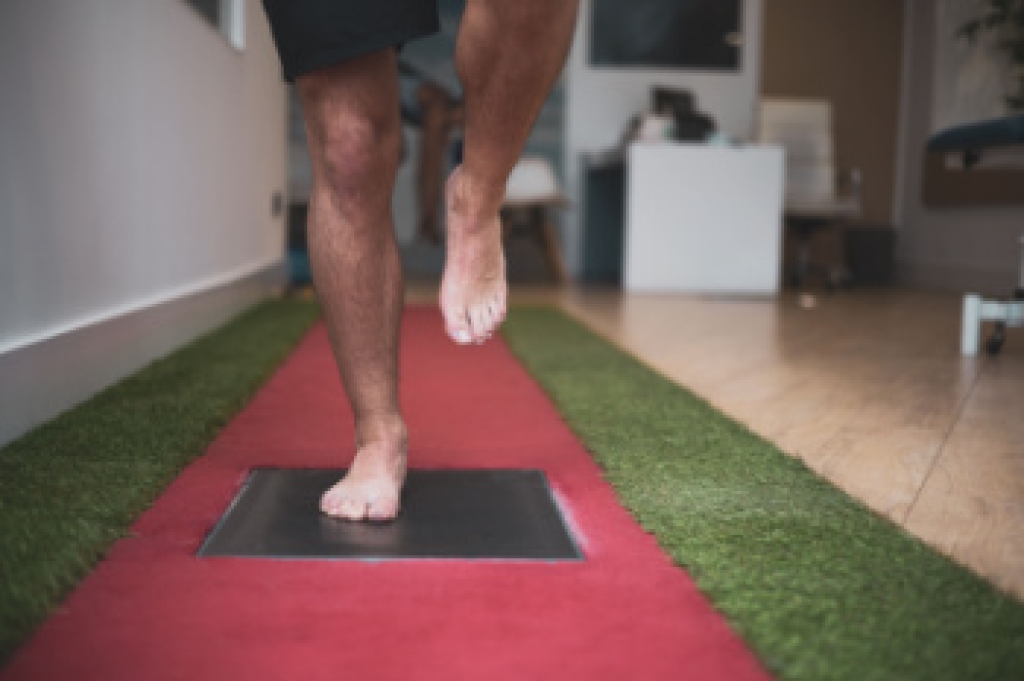
Using Biomechanical Exams to Help Prevent Pressure Injuries

A thorough biomechanical evaluation plays an important role in preventing pressure injuries, especially in individuals at higher risk. This type of assessment looks at how a person moves, stands, and distributes weight through their feet and lower limbs. Imbalances, abnormal gait patterns, or joint limitations can increase pressure on certain areas, leading to skin breakdown and ulcers over time. By examining posture, range of motion, muscle strength, and foot alignment, podiatrists can identify factors that contribute to uneven pressure. Addressing these issues through customized footwear, orthotics, or targeted exercises can improve balance and relieve stress on vulnerable areas. Regular biomechanical assessments are a proactive way to protect skin integrity and prevent wounds, particularly for those with diabetes or limited mobility. If you are concerned about pressure injuries, it is suggested that you consult a podiatrist for a complete evaluation, which can help lower your risk and support better foot health.

If you have any concerns about your feet, contact David Mehl, DPM from New York. Our doctor can provide the care you need to keep you pain-free and on your feet.

Biomechanics in Podiatry

Podiatric biomechanics is a particular sector of specialty podiatry with licensed practitioners who are trained to diagnose and treat conditions affecting the foot, ankle and lower leg. Biomechanics deals with the forces that act against the body, causing an interference with the biological structures. It focuses on the movement of the ankle, the foot and the forces that interact with them.

A History of Biomechanics

  • Biomechanics dates back to the BC era in Egypt where evidence of professional foot care has been recorded.
  • In 1974, biomechanics gained a higher profile from the studies of Merton Root, who claimed that by changing or controlling the forces between the ankle and the foot, corrections or conditions could be implemented to gain strength and coordination in the area.

Modern technological improvements are based on past theories and therapeutic processes that provide a better understanding of podiatric concepts for biomechanics. Computers can provide accurate information about the forces and patterns of the feet and lower legs.

Understanding biomechanics of the feet can help improve and eliminate pain, stopping further stress to the foot.

If you have any questions please feel free to contact our offices located in Forest Hills, and Brooklyn, NY . We offer the newest diagnostic and treatment technologies for all your foot and ankle needs.
Read more about The Importance of Biomechanics in Podiatry

Managing Foot Issues in Athletes

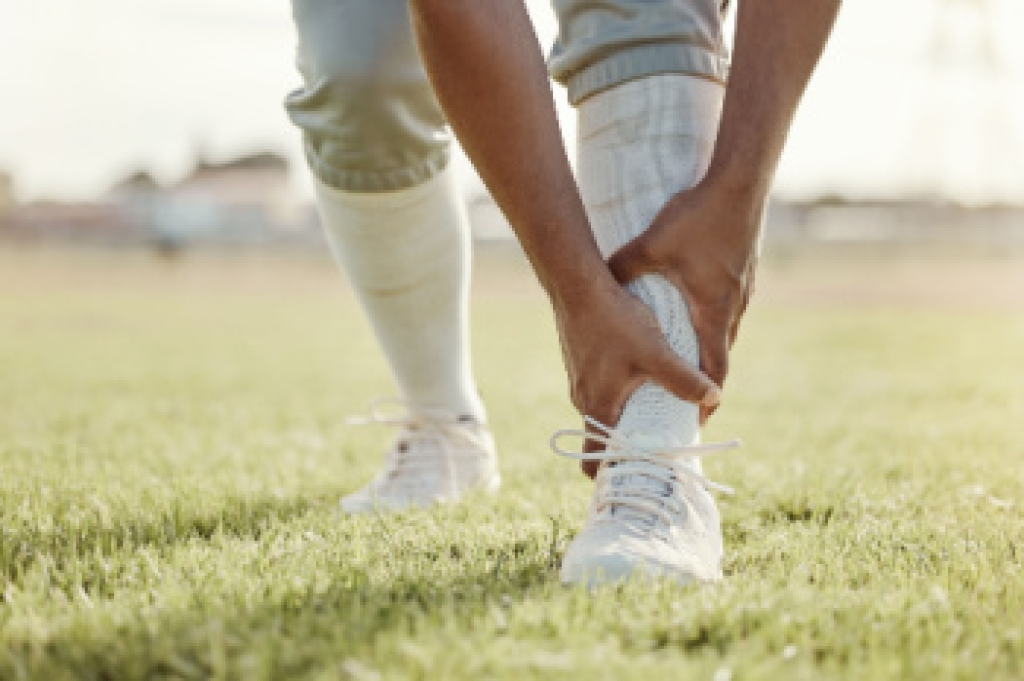
Foot and ankle injuries are frequent in athletes, whether from high-impact sports like basketball or repetitive activities like running. Sprains, fractures, tendonitis, and overuse injuries can sideline even the most dedicated athletes, if not properly managed. Effective treatment begins with an accurate diagnosis. A detailed assessment of how the injury occurred, along with a physical exam and imaging when necessary, helps identify the extent of the damage. Early intervention is key. Rest, compression, and elevation are often the first steps taken to reduce pain and swelling. Supportive devices like braces or orthotics may be recommended to protect the injured area and prevent further damage. Targeted exercises focus on restoring strength, flexibility, and balance to the foot and ankle. A gradual return to sport is important to avoid setbacks. To prevent future injuries, athletes may need to adjust footwear, training routines, or technique. If you have an active lifestyle and have incurred a foot or ankle injury, it is suggested that you schedule an appointment with a podiatrist for a comprehensive evaluation and personalized treatment plan.

Sports related foot and ankle injuries require proper treatment before players can go back to their regular routines. For more information, contact David Mehl, DPM of New York. Our doctor can provide the care you need to keep you pain-free and on your feet.

Sports Related Foot and Ankle Injuries

Foot and ankle injuries are a common occurrence when it comes to athletes of any sport. While many athletes dismiss the initial aches and pains, the truth is that ignoring potential foot and ankle injuries can lead to serious problems. As athletes continue to place pressure and strain the area further, a mild injury can turn into something as serious as a rupture and may lead to a permanent disability. There are many factors that contribute to sports related foot and ankle injuries, which include failure to warm up properly, not providing support or wearing bad footwear. Common injuries and conditions athletes face, including:

  • Plantar Fasciitis
  • Achilles Tendinitis
  • Achilles Tendon Rupture
  • Ankle Sprains

Sports related injuries are commonly treated using the RICE method. This includes rest, applying ice to the injured area, compression and elevating the ankle. More serious sprains and injuries may require surgery, which could include arthroscopic and reconstructive surgery. Rehabilitation and therapy may also be required in order to get any recovering athlete to become fully functional again. Any unusual aches and pains an athlete sustains must be evaluated by a licensed, reputable medical professional.

If you have any questions please contact our offices located in Forest Hills, and Brooklyn, NY . We offer the newest diagnostic and treatment technologies for all your foot and ankle needs.
Read more about Sports Related Foot And Ankle Injuries

Managing Your Non-diabetic Foot Infection

Non-diabetic foot infections can occur due to cuts, puncture wounds, or fungal infections, leading to pain, swelling, and redness. These infections often cause throbbing or sharp pain, especially when pressure is applied to the affected area. A cut or puncture wound in the foot can allow bacteria to enter, while fungal infections, like athlete's foot, can lead to cracked skin and increased vulnerability to infection. The affected area may become warm to the touch, and you might notice discharge or pus if the infection worsens. If left untreated, the infection can spread, causing more severe pain and complications. A podiatrist can help by thoroughly cleaning the wound, draining any pus, and prescribing antibiotics if necessary. For fungal infections, they may recommend antifungal treatments to clear the infection. This type of doctor will also provide advice on proper foot care to prevent future infections. If you have this type of infection, it is suggested that you schedule an appointment with a podiatrist for appropriate treatment solutions.

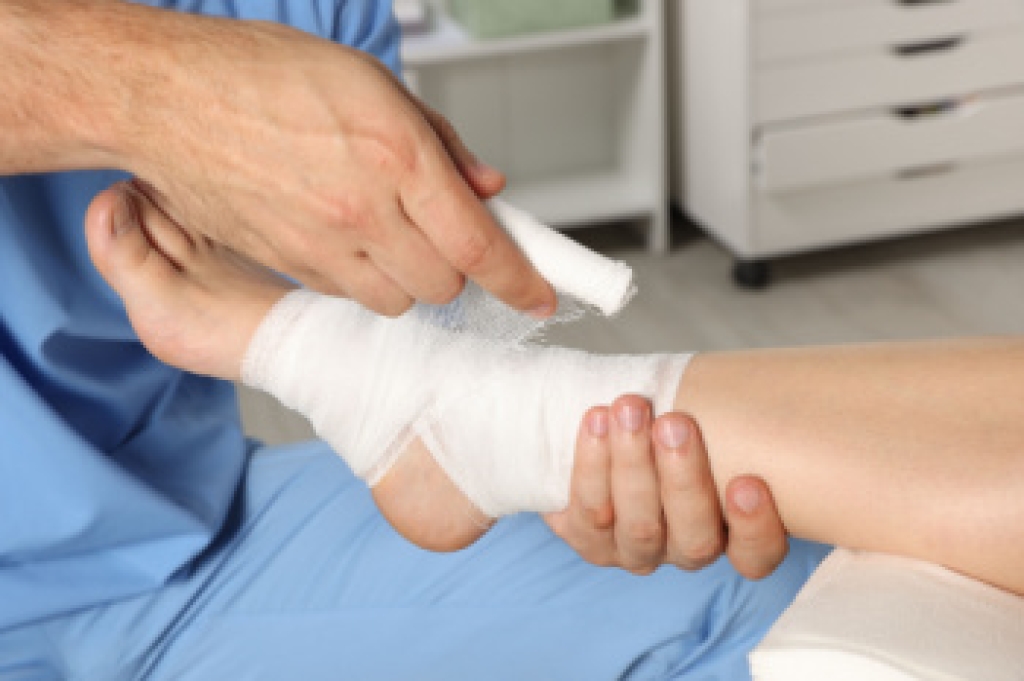
Wound care is an important part in dealing with diabetes. If you have diabetes and a foot wound or would like more information about wound care for diabetics, consult with David Mehl, DPM from New York. Our doctor will assess your condition and provide you with quality foot and ankle treatment.

What Is Wound Care?

Wound care is the practice of taking proper care of a wound. This can range from the smallest to the largest of wounds. While everyone can benefit from proper wound care, it is much more important for diabetics. Diabetics often suffer from poor blood circulation which causes wounds to heal much slower than they would in a non-diabetic. 

What Is the Importance of Wound Care?

While it may not seem apparent with small ulcers on the foot, for diabetics, any size ulcer can become infected. Diabetics often also suffer from neuropathy, or nerve loss. This means they might not even feel when they have an ulcer on their foot. If the wound becomes severely infected, amputation may be necessary. Therefore, it is of the upmost importance to properly care for any and all foot wounds.

How to Care for Wounds

The best way to care for foot wounds is to prevent them. For diabetics, this means daily inspections of the feet for any signs of abnormalities or ulcers. It is also recommended to see a podiatrist several times a year for a foot inspection. If you do have an ulcer, run the wound under water to clear dirt from the wound; then apply antibiotic ointment to the wound and cover with a bandage. Bandages should be changed daily and keeping pressure off the wound is smart. It is advised to see a podiatrist, who can keep an eye on it.

If you have any questions please contact our offices located in Forest Hills, and Brooklyn, NY . We offer the newest diagnostic and treatment technologies for all your foot and ankle needs.
Read more about Wound Care

Running Shoes for Comfort and Performance

Selecting the right running shoes is essential for comfort, injury prevention, and optimal performance. The type of running surface plays a significant role in shoe selection. Road running shoes provide cushioning for hard pavement, while trail running shoes offer grip and support on uneven terrain. The kind of running also matters, as long-distance runners need shoes with extra cushioning, whereas sprinters benefit from lightweight, responsive designs. Personal weight should also be considered, since heavier runners may require additional support and shock absorption to reduce impact on the joints. Proper fit, arch support, and flexibility further enhance comfort and performance. Trying on different options and assessing how they feel during movement can help you find the best pair. If you have sustained a foot injury from wearing the wrong running shoes, it is suggested that you consult a podiatrist who can treat various foot conditions, and guide you toward the best shoes for your style of running.

You should always make sure your running shoes fit properly in order to avoid injury. For more information, contact David Mehl, DPM from New York. Our doctor can provide the care you need to keep you pain-free and on your feet.

Choosing the Right Running Shoe for Your Foot Type

Improper shoe sizing can cause a myriad of problems for your feet. Shoes that don’t fit you properly can lead to muscular imbalances in your body, which can result in foot, knee, and hip injuries.

Tips for Finding the Right Running Shoe

  • Make sure you have a thumb’s width of wiggle room between the end of your longest toe and the front of the shoe.
  • There should be little to no slipping at the heel
  • Don’t assume your size in one shoe brand will be your size in another
  • Do not lace up your shoes too tightly
  • Walk around in the store with your new shoes before you buy them

If you have any questions, please feel free to contact our offices located in Forest Hills, and Brooklyn, NY . We offer the newest diagnostic and treatment technologies for all your foot care needs.

Read more about Choosing the Right Running Shoe for Your Foot Type

Causes and Symptoms of Hammertoe

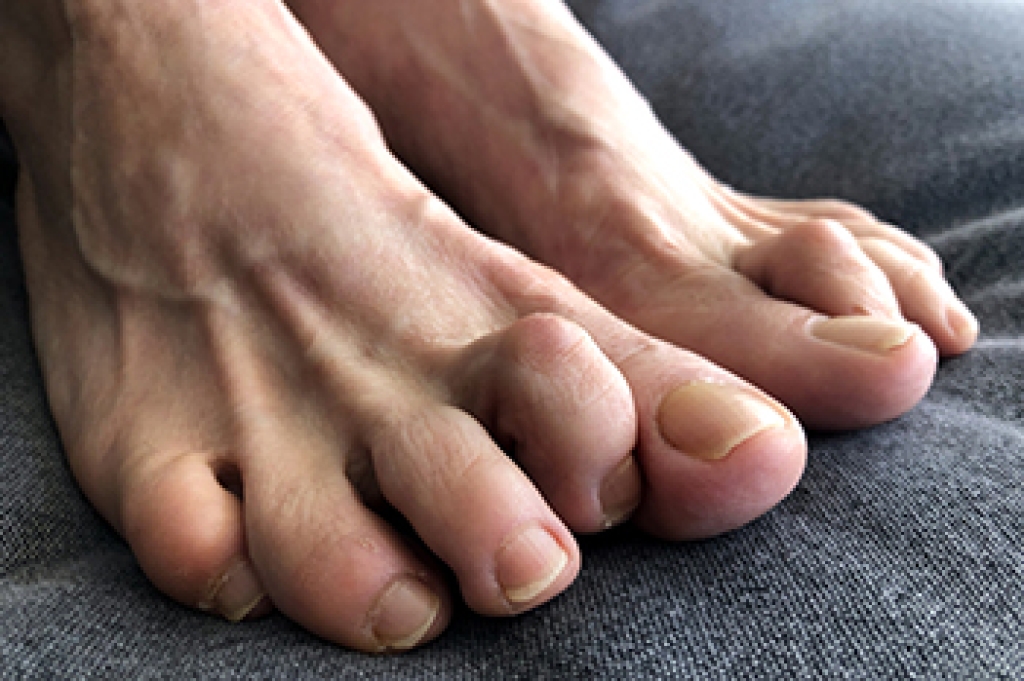
Hammertoe is a common foot deformity in which one or more toes curl downward at the middle joint, causing them to bend rather than point straight forward. Hammertoe often affects the second or third toe and can develop from wearing tight, narrow, or ill-fitting shoes. Other causes of hammertoe formation include arthritis, a high foot arch, previous trauma to the toe, tightened ligaments or tendons in the foot, or pressure from bunions. People with a family history of hammertoe or those who regularly wear constrictive footwear are particularly susceptible to this ailment. Among the symptoms of hammertoe are mild discomfort, difficulty walking, and corns or calluses forming on affected toes. In some cases, severe pain and a claw-like appearance of the toe emerge. A podiatrist can diagnose hammertoe by examining the foot and performing imaging tests like X-rays. Treatment varies depending on severity, with more serious cases often requiring surgery to realign the toe joint and relieve pain. If you have developed a toe deformity, it is suggested that you schedule an appointment with a podiatrist for an exam, diagnosis, and treatment.

Hammertoe

Hammertoes can be a painful condition to live with. For more information, contact David Mehl, DPM from New York. Our doctor will answer any of your foot- and ankle-related questions.

Hammertoe is a foot deformity that affects the joints of the second, third, fourth, or fifth toes of your feet. It is a painful foot condition in which these toes curl and arch up, which can often lead to pain when wearing footwear.

Symptoms

  • Pain in the affected toes
  • Development of corns or calluses due to friction
  • Inflammation
  • Redness
  • Contracture of the toes

Causes

Genetics – People who are genetically predisposed to hammertoe are often more susceptible

Arthritis – Because arthritis affects the joints in your toes, further deformities stemming from arthritis can occur

Trauma – Direct trauma to the toes could potentially lead to hammertoe

Ill-fitting shoes – Undue pressure on the front of the toes from ill-fitting shoes can potentially lead to the development of hammertoe

Treatment

Orthotics – Custom made inserts can be used to help relieve pressure placed on the toes and therefore relieve some of the pain associated with it

Medications – Oral medications such as anti-inflammatories or NSAIDs could be used to treat the pain and inflammation hammertoes causes. Injections of corticosteroids are also sometimes used

Surgery – In more severe cases where the hammertoes have become more rigid, foot surgery is a potential option

If you have any questions, please feel free to contact our offices located in Forest Hills, and Brooklyn, NY . We offer the newest diagnostic and treatment technologies for all your foot care needs.

Read more about What Are Hammertoes?

Connect With Us

scroll to top