
Management of Foot Neuropathy

Foot neuropathy refers to nerve damage in the feet, leading to sensory loss, tingling, or pain. It often results from conditions like diabetes, where prolonged high blood sugar levels can damage nerves throughout the body, including those in the feet. Diabetes-related foot neuropathy is common due to poor circulation and nerve damage caused by uncontrolled blood sugar levels. Symptoms may include numbness, burning sensations, or sharp pains in the feet. Left untreated, foot neuropathy can lead to complications such as foot ulcers and infections. If you have foot neuropathy, it is strongly suggested that you schedule an appointment with a podiatrist who can provide comprehensive foot assessments to monitor nerve function, offer preventive measures to reduce the risk of complications, and prescribe medications or nerve-stimulating treatments to alleviate symptoms.

Neuropathy

Neuropathy can be a potentially serious condition, especially if it is left undiagnosed. If you have any concerns that you may be experiencing nerve loss in your feet, consult with David Mehl, DPM from New York. Our doctor will assess your condition and provide you with quality foot and ankle treatment for neuropathy.

What Is Neuropathy?

Neuropathy is a condition that leads to damage to the nerves in the body. Peripheral neuropathy, or neuropathy that affects your peripheral nervous system, usually occurs in the feet. Neuropathy can be triggered by a number of different causes. Such causes include diabetes, infections, cancers, disorders, and toxic substances.

Symptoms of Neuropathy Include:

  • Numbness
  • Sensation loss
  • Prickling and tingling sensations
  • Throbbing, freezing, burning pains
  • Muscle weakness

Those with diabetes are at serious risk due to being unable to feel an ulcer on their feet. Diabetics usually also suffer from poor blood circulation. This can lead to the wound not healing, infections occurring, and the limb may have to be amputated.

Treatment

To treat neuropathy in the foot, podiatrists will first diagnose the cause of the neuropathy. Figuring out the underlying cause of the neuropathy will allow the podiatrist to prescribe the best treatment, whether it be caused by diabetes, toxic substance exposure, infection, etc. If the nerve has not died, then it’s possible that sensation may be able to return to the foot.

Pain medication may be issued for pain. Electrical nerve stimulation can be used to stimulate nerves. If the neuropathy is caused from pressure on the nerves, then surgery may be necessary.

If you have any questions, please feel free to contact our offices located in Forest Hills, and Brooklyn, NY . We offer the newest diagnostic and treatment technologies for all your foot care needs.

Read more about Neuropathy

Causes of Pain in the Side of the Foot

Experiencing pain on the outer edges of your feet? Lateral foot pain can make walking, running, or even standing uncomfortable. A common cause of lateral foot pain is stress fractures, especially in runners and other athletes. These hairline cracks in foot bones are caused by overuse or repetitive movements and can result in pain if pressure is applied to the foot. Cuboid syndrome, involving injury or dislocation of the cuboid bone along the outer edge of the foot, leads to sharp pain and tenderness, often worsened by overuse or tight shoes. Peroneal tendonitis, which is inflammation of tendons that run along the outer ankle, occurs from overuse or injury. Symptoms include pain, swelling, and warmth. A twisted ankle, or inversion sprain, results in ligament damage and subsequent pain, swelling, and tenderness, often triggered by sports or physical activities. Seeking prompt attention from a podiatrist is suggested for an accurate diagnosis and appropriate treatment options for lateral foot pain. 

Foot Pain

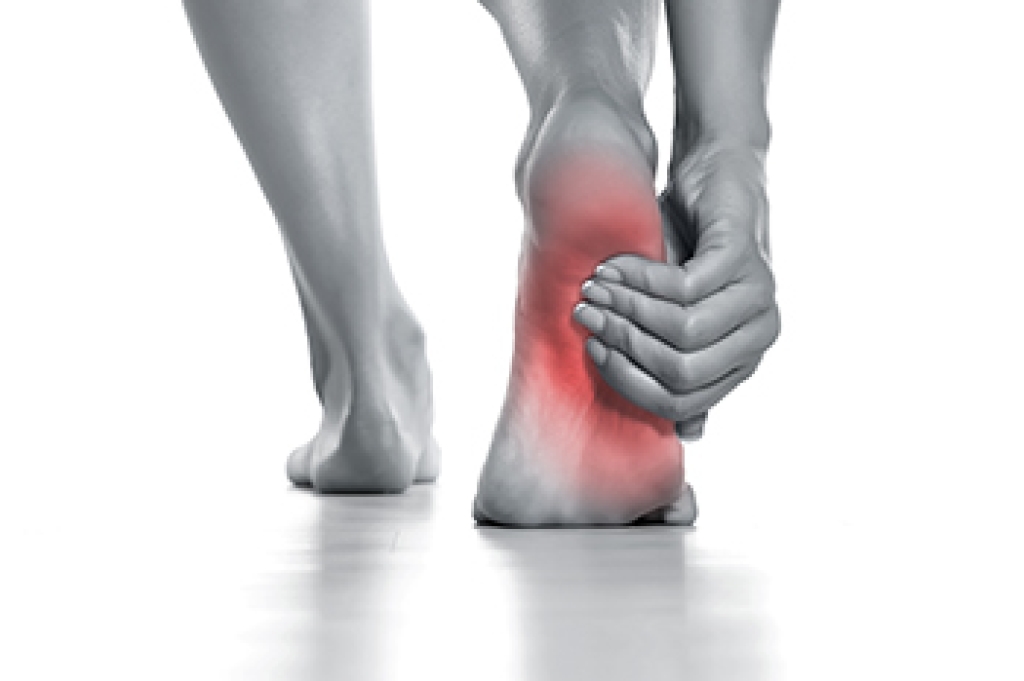
Foot pain can be extremely painful and debilitating. If you have a foot pain, consult with David Mehl, DPM from New York. Our doctor will assess your condition and provide you with quality foot and ankle treatment.

Causes

Foot pain is a very broad condition that could be caused by one or more ailments. The most common include:

  • Bunions
  • Hammertoes
  • Plantar Fasciitis
  • Bone Spurs
  • Corns
  • Tarsal Tunnel Syndrome
  • Ingrown Toenails
  • Arthritis (such as Gout, Rheumatoid, and Osteoarthritis)
  • Flat Feet
  • Injury (from stress fractures, broken toe, foot, ankle, Achilles tendon ruptures, and sprains)
  • And more

Diagnosis

To figure out the cause of foot pain, podiatrists utilize several different methods. This can range from simple visual inspections and sensation tests to X-rays and MRI scans. Prior medical history, family medical history, and any recent physical traumatic events will all be taken into consideration for a proper diagnosis.

Treatment

Treatment depends upon the cause of the foot pain. Whether it is resting, staying off the foot, or having surgery; podiatrists have a number of treatment options available for foot pain.

If you have any questions, please feel free to contact our offices located in Forest Hills, and Brooklyn, NY . We offer the newest diagnostic and treatment technologies for all your foot care needs.
Read more about Foot Pain

Causes of Arch Pain

Experiencing pain in the arches of your feet can be attributed to various factors, including overuse, injury, and weakness. Other causes that may lead to arch pain are inflammation and anatomical variations in foot arch structure. Whether you have high, neutral, or flat arches, each type presents its own set of challenges. High arches may lack shock absorption and support, making them susceptible to overuse injuries during activities like sports. Flat feet, or fallen arches, can result from weak posterior tibial tendons, leading to decreased stability and support. Congenital conditions or acquired conditions, such as neuropathy or muscle atrophy, also can contribute to arch weakness and pain. Treatment strategies include proper foot support, medication, and orthotic shoe inserts. If you are experiencing pain in the arch of the foot, it is suggested that you schedule an appointment with a podiatrist who can identify the underlying cause, and develop an effective treatment plan for you.

If you have any concerns about your feet, contact David Mehl, DPM from New York. Our doctor can provide the care you need to keep you pain-free and on your feet.

Biomechanics in Podiatry

Podiatric biomechanics is a particular sector of specialty podiatry with licensed practitioners who are trained to diagnose and treat conditions affecting the foot, ankle and lower leg. Biomechanics deals with the forces that act against the body, causing an interference with the biological structures. It focuses on the movement of the ankle, the foot and the forces that interact with them.

A History of Biomechanics

  • Biomechanics dates back to the BC era in Egypt where evidence of professional foot care has been recorded.
  • In 1974, biomechanics gained a higher profile from the studies of Merton Root, who claimed that by changing or controlling the forces between the ankle and the foot, corrections or conditions could be implemented to gain strength and coordination in the area.

Modern technological improvements are based on past theories and therapeutic processes that provide a better understanding of podiatric concepts for biomechanics. Computers can provide accurate information about the forces and patterns of the feet and lower legs.

Understanding biomechanics of the feet can help improve and eliminate pain, stopping further stress to the foot.

If you have any questions please feel free to contact our offices located in Forest Hills, and Brooklyn, NY . We offer the newest diagnostic and treatment technologies for all your foot and ankle needs.

Read more about Biomechanics in Podiatry

How to Manage a Broken Toe

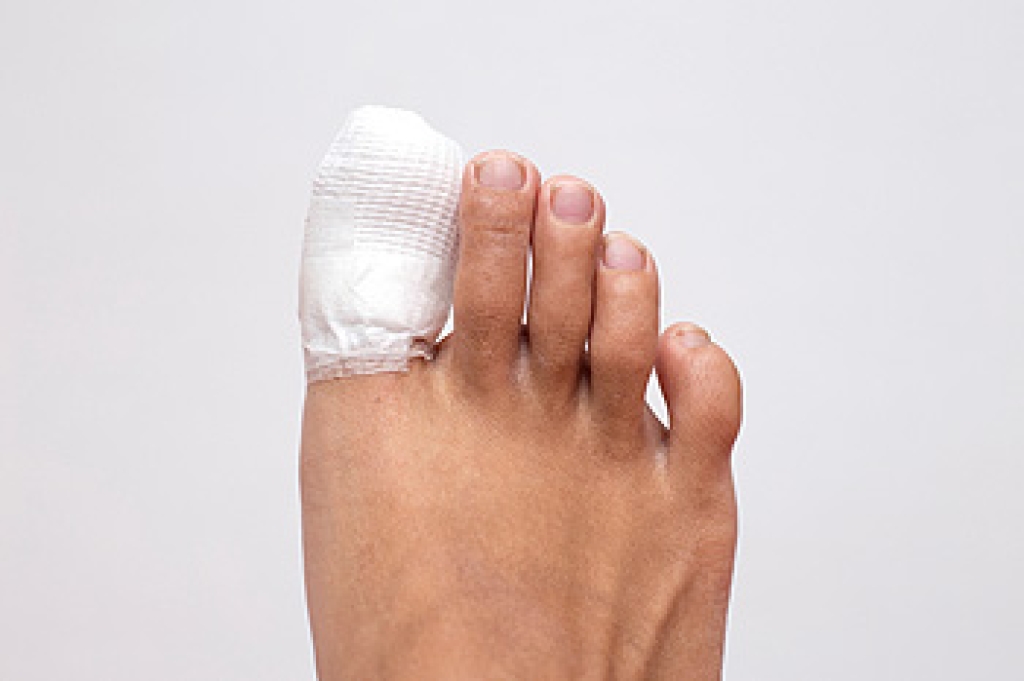
If you break your big toe, seeing a podiatrist can be helpful. This type of doctor will examine your toe to determine the extent of the injury. Depending on the severity,  X-rays may be taken to see the extent of the fracture. The podiatrist can provide guidance on how to care for your broken toe properly. They can recommend resting the foot and elevating it to reduce swelling. In some cases, they may suggest buddy taping the broken toe to the adjacent one for support. If the fracture is severe or if the toe is misaligned, they may need to realign it or provide a splint to keep it in place. The podiatrist can also offer pain management techniques and advise on when it is safe to resume normal activities. If you believe you have fractured your big toe, it is suggested that you schedule an appointment with a podiatrist for a proper diagnosis and treatment that is deemed necessary.

A broken toe can be very painful and lead to complications if not properly fixed. If you have any concerns about your feet, contact David Mehl, DPM from New York. Our doctor will treat your foot and ankle needs.

What to Know About a Broken Toe

Although most people try to avoid foot trauma such as banging, stubbing, or dropping heavy objects on their feet, the unfortunate fact is that it is a common occurrence. Given the fact that toes are positioned in front of the feet, they typically sustain the brunt of such trauma. When trauma occurs to a toe, the result can be a painful break (fracture).

Symptoms of a Broken Toe

  • Throbbing pain
  • Swelling
  • Bruising on the skin and toenail
  • The inability to move the toe
  • Toe appears crooked or disfigured
  • Tingling or numbness in the toe

Generally, it is best to stay off of the injured toe with the affected foot elevated.

Severe toe fractures may be treated with a splint, cast, and in some cases, minor surgery. Due to its position and the pressure it endures with daily activity, future complications can occur if the big toe is not properly treated.

If you have any questions, please feel free to contact our offices located in Forest Hills, and Brooklyn, NY . We offer the newest diagnostic and treatment technologies for all your foot care needs.

Read more about What to Know About a Broken Toe

What Can Cause an Ingrown Toenail?

An ingrown toenail occurs when the edge of the nail grows into the surrounding skin, leading to pain, swelling, and redness. This common condition typically affects the big toe and can result from various factors. Improper nail trimming, such as cutting nails too short or rounding the edges, increases the risk of ingrown toenails by encouraging the nail to grow into the skin. Wearing tight or ill-fitting shoes can also exert pressure on the toes, causing the nail to grow abnormally and become ingrown. Additionally, injury or trauma to the toe, such as stubbing or repetitive pressure, can disrupt nail growth patterns and contribute to ingrown toenails. Individuals with curved or unusually shaped nails may be more susceptible to this condition. Poor foot hygiene and fungal infections further exacerbate the risk of ingrown toenails. If you have symptoms of an ingrown toenail, it is suggested that you schedule an appointment with a podiatrist who can properly diagnose this condition, and offer appropriate treatment solutions.

Ingrown toenails can become painful if they are not treated properly. For more information about ingrown toenails, contact David Mehl, DPM of New York. Our doctor can provide the care you need to keep you pain-free and on your feet.

Ingrown Toenails

Ingrown toenails occur when a toenail grows sideways into the bed of the nail, causing pain, swelling, and possibly infection.

Causes

  • Bacterial infections
  • Improper nail cutting such as cutting it too short or not straight across
  • Trauma to the toe, such as stubbing, which causes the nail to grow back irregularly
  • Ill-fitting shoes that bunch the toes too close together
  • Genetic predisposition

Prevention

Wearing proper fitting shoes and using proper cutting techniques will also help decrease your risk of developing ingrown toenails.

Treatment

Ingrown toenails are a very treatable foot condition. In minor cases, soaking the affected area in salt or antibacterial soaps will not only help with the ingrown nail itself, but also help prevent any infections from occurring. In more severe cases, surgery is an option. In either case, speaking to your podiatrist about this condition will help you get a better understanding of specific treatment options that are right for you.

If you have any questions, please feel free to contact our offices located in Forest Hills, and Brooklyn, NY . We offer the newest diagnostic and treatment technologies for all your foot care needs.

Read more about Ingrown Toenails

Connect With Us

scroll to top